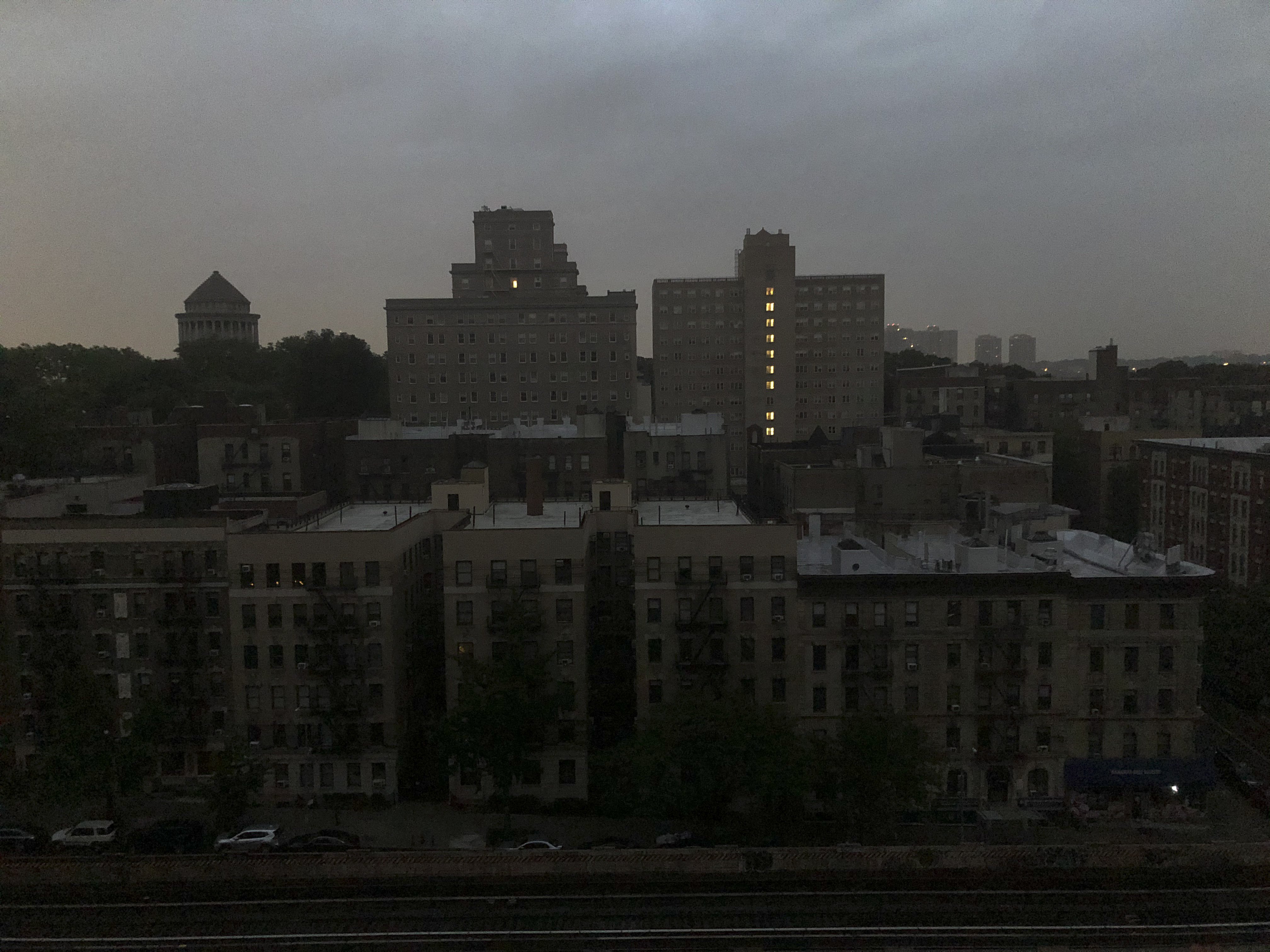
New York’s electricity supply this summer promises to be as taut as an overtaxed cable, with NYISO warning that reserves have dipped below their safest margin since 2013. Sweltering days, creaky power plants—many pushing seventy—and a slow-moving regulatory regime may leave officials scrambling if heatwaves persist. Though contingency plans exist, we suspect candles will soon be selling briskly in Brooklyn convenience stores.
New York City in brief
Top five stories in the five boroughs today
America’s Social Security trust fund, designed to finance retiree benefits, is now projected to run dry by 2032; a new proposal would nip future payouts by limiting annual increases. Just 24% of promised benefits could be covered if nothing changes, suggesting retirees may soon find themselves counting nickels where they once counted on Uncle Sam—proof, perhaps, that actuarial tables rarely host happy hours.
A City Harvest report notes that food pantry visits by New York City families with children nearly doubled since 2019—now averaging one million a month—yet federal SNAP rules tightening in June may tip things from crowded to overcrowded. As the cost of living outpaces wages and half a million local children depend on these meals, we wonder if Manhattan’s next must-have accessory will be the food pantry ticket.
Donald Trump’s administration has rolled up its sleeves for a $16 billion Penn Station revamp, promising a sunlit terminal and—rather more significantly—a chance for unified New York-area rail. With new Hudson tunnels, Metro-North’s arrival, and talk of “through-running” à la London’s Elizabeth Line, planners spy a rare shot at ending regional rail balkanisation. We suspect the architecture may brighten sooner than train politics.
Following a 6.2% drop in New York’s SNAP rolls—removing over 180,000 people from food aid since January 2025—we note that eligibility changes, not prosperity, seem to be doing the heavy lifting. The “One, Big Beautiful Bill” from Congress has tightened work rules nationwide, with New York City’s 5.5% decline a mere appetizer before new requirements start biting; hunger, alas, remains stubbornly unretired.