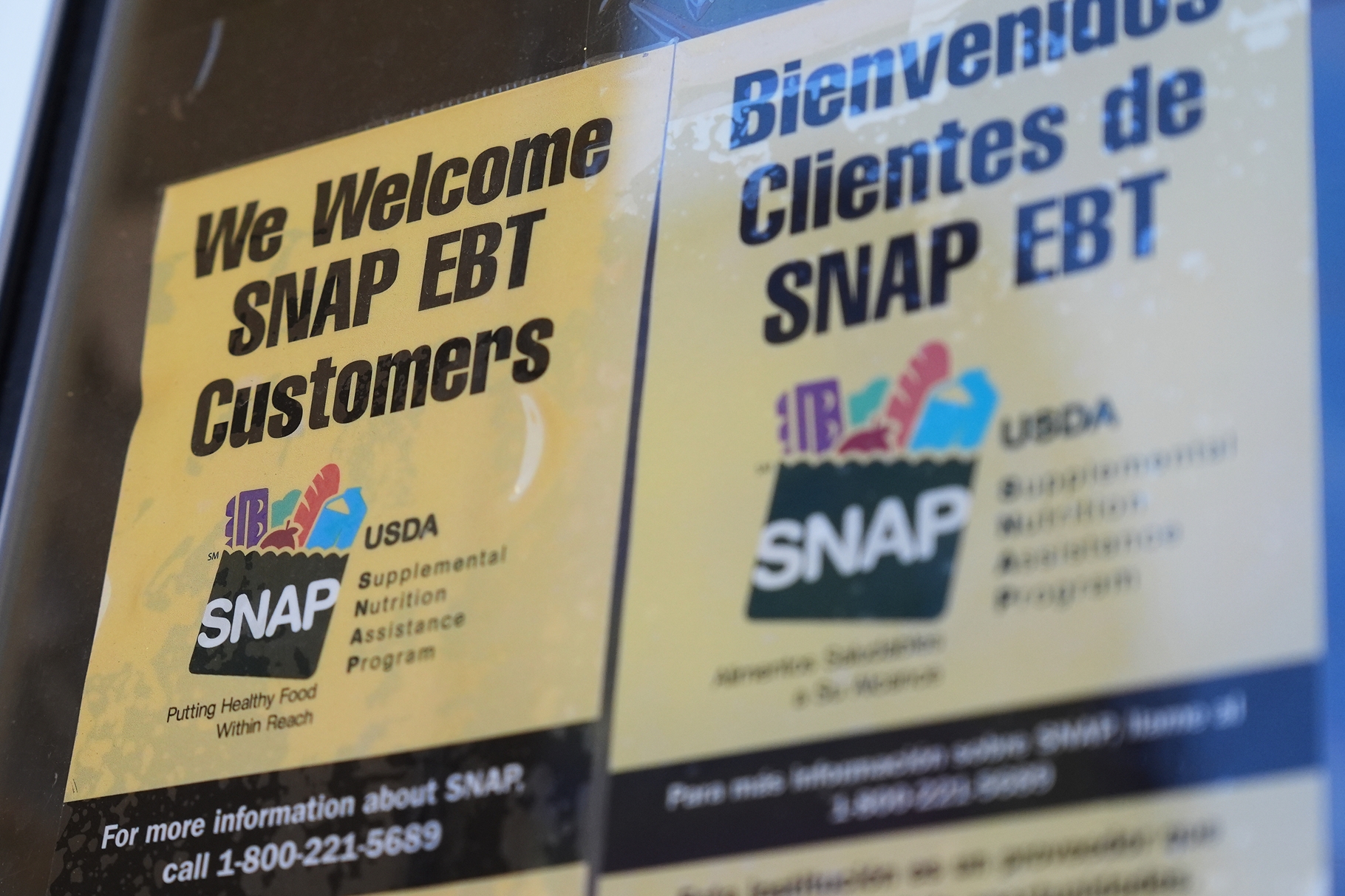
A Center for American Progress report warns that tougher eligibility rules for the US Supplemental Nutrition Assistance Program—rolled out nationwide in March and enshrined by 2025’s One Big Beautiful Bill Act—could leave 2.4 million people a month ineligible and, by 2040, nudge nearly 70,000 toward avoidable deaths. Officials insist work requirements save SNAP from “mal enfocadas” priorities; nutrition activists suggest hungry voters won't see the beauty.
New York City in brief
Top five stories in the five boroughs today
Iran’s bombardment of Qatar’s Ras Laffan LNG plant and other Gulf energy infrastructure—retaliation for Israel’s attack on an Iranian gas field—sent gas prices rocketing 30% and Brent crude near $120. Simon Flowers of Wood Mackenzie warns oil could hit $200 if this tit-for-tat persists. Donald Trump may hope to control the script, but energy markets, as ever, relish their unscripted cameos.
With New York City facing a projected $5 billion deficit, Mayor Zohran Mamdani and local Democratic Socialists are pushing Albany to tax earners above $1 million by an extra 2%, while Governor Kathy Hochul, citing her “affordability agenda,” resists tweaking the top bracket. The alternative, a proposed 9.5% property tax hike, has property owners and seniors eyeing their deeds with considerably less cheer than usual.
Four major rating agencies, including Moody’s and S&P, now say New York City’s finances merit a “negative outlook,” warning that Mayor Mamdani’s plan to boost spending from $118 billion to $127 billion rests on hopes for $5 billion in state aid and unlikely property tax hikes. The city’s economic engine may need a tune-up—unfortunately, wishful thinking doesn’t fuel municipal coffers.
Documents reveal Harlem Hospital skipped its own promised weekly tests for Legionella ahead of last summer’s outbreak that killed seven and hospitalized 90 across Central Harlem—despite earlier warnings in June that a cooling tower was at risk. While regulators and hospital officials now debate whose rules matter most, we suspect patients would have preferred less regulatory hot air and more cold, clean water.