West Harlem Crashes Fall 15 Percent After Empire Bins; Citywide Rollout Set for 2031
As New York banishes black bags from curbs in favour of Euro-style bins, data suggest cleaner—and safer—streets, portending civic gains that go beyond aesthetics.
In West Harlem, once a battleground between refuse and rats, the city’s latest experiment has yielded an unexpected dividend. Not only has the containerisation of trash reduced the miasma and the rodents, but it seems to have made streets less perilous. In the ten months since New York deployed 1,100 “Empire Bins”—robust, curbside containers reminiscent of continental models—traffic crashes plunged by 15%, and serious injuries were halved, according to a Streetsblog analysis.
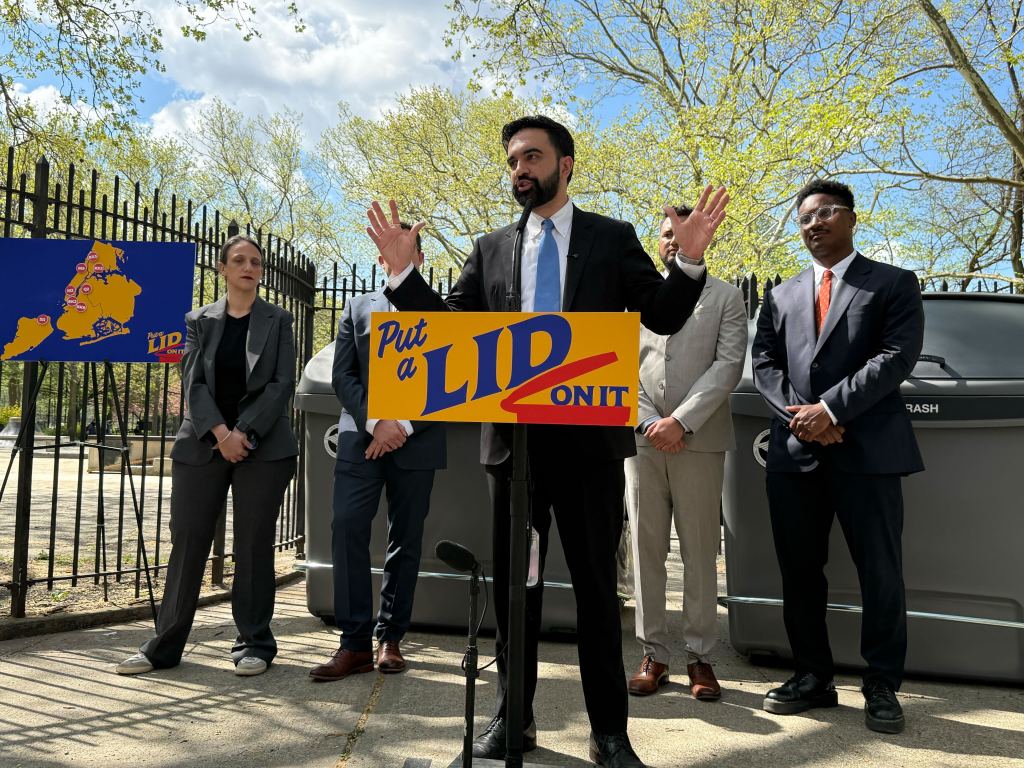
This news lands as the administration of Mayor Zohran Mamdani touts a plan to make Empire Bins a citywide feature by 2031. Announcing the rollout in Crown Heights, the mayor showed his penchant for the ceremonial, but the figures do the strongest talking. Harlem’s pilot covered all buildings with 30-plus apartments within Manhattan Community Board 9, stretching from West 110th to West 155th. Over the trial’s two phases, the evidence mounted: not only did car collisions drop from 668 to 587, but pedestrian injuries inched down, too, by 9%.
Less noticed were the subtler consequences. Swapping curbside parking for bins, an act that might enrage motorists, has quietly reduced some streets’ velocity and chaos. The more orderly urban landscape has thus advanced both cause and effect: streets become inhospitable to reckless driving, and, not coincidentally, safer for the foot-bound majority. The bins, in short, do triple duty—sanitation, reclamation of public space, and traffic-calming urban acupuncture.
For West Harlem residents, the improvements are palpable. Rats, previously emboldened by mounds of bagged refuse, now find slim pickings. The “trash juice” that once seeped ominously along the pavements, an odour so potent as to inspire poetry (or protest), is on the wane. Within the pilot zone, the city reports fewer rat sightings—a boon for public health and morale. Cleaner sidewalks, in turn, add lustre to property values, and nudge upticks in pedestrian activity and local commerce.
The Mamdani administration has not missed the optics. The planned extension—first to Brooklyn’s Prospect Heights, Crown Heights, and Weeksville—will bring 1,096 bins to some 25,000 homes. The next phases, crossing every borough, are mapped through 2027, with the promise of a full citywide net by the close of 2031. At that point, roughly 10,000 Empire Bins will have supplanted no fewer than 6,500 car-parking spaces, according to Sanitation Commissioner Gregory Anderson.
For the city purse, the programme’s price tag is substantial, but not gargantuan: $15 million in 2024’s budget, with a further $35.5 million committed through 2028. These sums, spread across capital outlays and maintenance, are hardly paltry given the scale of the enterprise. More fraught, perhaps, are the politics. Every parking spot lost to a bin bodes a test of the city’s famously pugnacious car-owners. Already, neighbourhood conversations echo with the complaints of motorists deprived of “their” slice of curb.
Yet the city’s demographic arithmetic barely supports a car-first narrative: the majority of New Yorkers do not own vehicles; many more walk, cycle, or depend on public transit. If the administration is correct to foresee a safer and cleaner city, then the quiet majority, not the vocal minority, stands to benefit.
From Paris to New York, the containerisation tide
Containerising rubbish is hardly novel. Cities such as Paris, Barcelona, and Vienna have long done away with the open black bag. Their experience suggests the gains, once consolidated, tend to endure. Fewer vermin, less litter, and—per studies from Europe—a small but persistent shortfall in urban casualties owing to slower, narrower streets.
What singles out New York’s initiative, however, is its scale and ambition. With almost 8.5 million residents and some of North America’s most relentless trash production (the city generates roughly 12,000 tonnes of residential waste daily), importing a European approach is less a neat fit than a public experiment. The average Parisian block, after all, does not double as a de facto car park for three or four rows of vehicles.
The numbers emerging from Harlem, therefore, will be watched with interest by American cities contemplating their own curb makeovers. The relationship between binning and road safety warrants further study, but the early results should stiffen the resolve of reformers elsewhere.
The data do not tell a tale of urban utopia. There will, inevitably, be teething pains—inconsistent compliance, obstructed sidewalks, landlords feigning confusion. Some landlords with buildings just under the 30-unit threshold will resist, perceiving mandates as burdens rather than benefits. Some New Yorkers will grumble about lost convenience; others will reckon it odd that Europeans solved the rat problem last century, while America took its time.
Still, the reforms reflect a hopeful, if overdue, faith in public space as a civic commons that need not be littered, dangerous, or festooned with rodents. By investing in shared cleanliness and safety, New York is, ever so gingerly, moving closer to the urbanity it has long claimed to exemplify.
If history is any guide, the successful expansion of Empire Bins could beget further rebalancing of New York’s patchwork of public priorities: more bus lanes, greener streets, the return of the city block as social space. To be sure, some drivers will dig in their heels (and perhaps their bumpers), but the economics, to say nothing of the statistics, do not favour them. Cleaner, calmer streets—what the bins represent—are more justifiable investments than ever.
In a city where change seldom comes quietly, the Empire Bin saga is a rare instance of tidy progress that appeals to both numbers and nerves. The real test, as always, will be whether modest, data-backed transformation can survive the din of everyday discontent. For once, we suspect, the result could be less rubbish all round. ■
Based on reporting from Streetsblog New York City; additional analysis and context by Borough Brief.