Vance Ends 21-Hour US-Iran Nuclear Talks in Islamabad With No Deal, Energy Tensions Persist
The collapse of US-Iran nuclear talks portends greater global instability—threatening energy markets, regional peace, and a fragile New York already wary of external shocks.
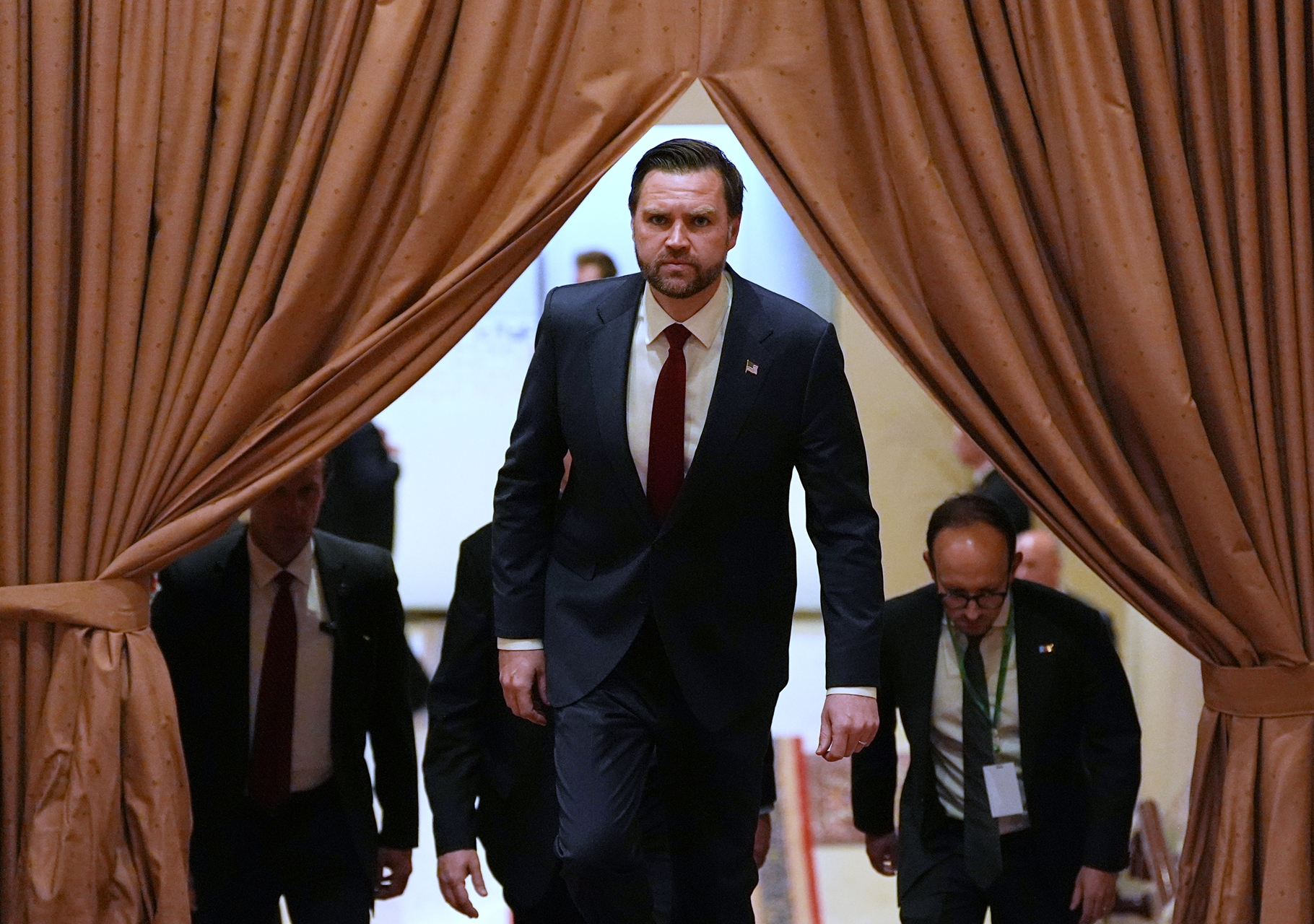
Few New York tabloid headlines would be as succinct—or as chilling—as “Ormuz Blocked, Talks Dead.” For nearly a day, diplomats representing America and Iran huddled in Islamabad, watched anxiously from afar by Wall Street and worried energy traders. After 21 hours, the results were conspicuous by their absence: no accord, no new commitments, little beyond weary statements delivered behind closed doors. J.D. Vance, the US vice president, emerged to confirm that discussions had ended in failure, with Teheran showing no sign of backing away from its nuclear ambitions.
The breakdown came in the powder-keg context of an ongoing war that, since its eruption on February 28th, has left thousands dead and turned crucial swathes of the Middle East into a tableau of devastation. The talks were the highest-level engagement between the two countries in decades. Yet despite mediation in Islamabad and two weeks of fragile truce on the ground, the US and Iran could not bridge long-standing divides. Washington insisted on a “firm commitment” from Teheran not to pursue a nuclear weapon. Iran’s delegation, led by parliamentary chief Mohammad Bagher Qalibaf, rebutted with a litany of demands: compensation for missile strikes, the unfreezing of billions in assets, and ironclad guarantees the war would end.
Now, both sides resume their mutual glare through the barrel of a gun. Donald Trump, never one for half-measures or understatement, professed indifference, telling reporters he would be “fine” with any outcome, and hinting at further military actions should talks continue to stumble. J.D. Vance, for his part, suggested the administration had made its “final offer,” leaving the next move to Teheran. That, it seems, may not be a move at all.
For New Yorkers, such news accentuates familiar anxieties. The spectre of instability in the Strait of Ormuz—a narrow choke-point through which nearly a fifth of the world’s traded oil passes each day—casts a direct shadow over city life, from energy prices to security measures. Iran’s closure of the strait, a tactic the regime has long hinted at but rarely enacted fully, has already begun to throttle global shipping lanes. This squeeze has sent oil prices climbing and played havoc with the fuel costs that keep New York’s cabs, trucks, and stoves humming.
Further up the chain, Wall Street feels the tremor. Markets, always hypersensitive to Middle Eastern turmoil, have seen energy stocks jolt upwards while the broader indices sag under fears of prolonged conflict. Multinational businesses headquartered in Manhattan, from petrochemical firms to airlines, are bracing for costlier insurance, disrupted supply chains, and renewed headaches over compliance with shifting sanctions. The uncertainty bodes poorly for a city still reacclimatising to post-pandemic volatility.
Nor are the impacts solely economic. Politically, the White House must now contend with hardliners at home and allies abroad. Congressional hawks, ever sceptical of Iranian intentions, are likely to criticise any diplomatic overtures as naïve. Meanwhile, New York’s sizeable Iranian diaspora—a fixture in both Queens and Long Island—watches with no small measure of unease as family ties and remittance flows grow more precarious. The Metropolitan Police may yet tighten its grip on “soft targets” and certain community events should tensions escalate.
A regional maelstrom with Manhattan ripples
Globally, the failure of these negotiations exposes the increasingly brittle architecture of international nuclear deterrence. What was once managed quietly in Geneva or Vienna now plays out in fractured capitals and, more worryingly, on the open sea. The strictures of the Joint Comprehensive Plan of Action—a mouthful now consigned to diplomatic nostalgia—have given way to brinkmanship. As bombs fall and oil tankers idle, the unspoken rule seems to be: whoever blinks last, loses.
Comparison with past crises is instructive. During the oil shocks of the 1970s, surging prices forced New York to dim its skyline and rethink transit. Now, as gas approaches $5 per gallon and electricity bills edge upwards, the city’s vaunted economic diversity faces an old test in a new guise. Even with the rise of renewables, the city’s infrastructure remains hostage to storms a continent away.
The faint hope lies in the consensus, among a few voices on both sides, that neither Washington nor Teheran actually courts a major escalation. Most Iranian assets remain frozen, while the US, for all its martial bravado, is wary of any protracted entanglement. For the time being, America’s military operations in the Gulf may be more chest-thumping than strategy. China and Europe, meanwhile, fret about energy shocks but have little leverage over either protagonist.
All this leaves New York facing an unhappy kind of vigilance: an uneasy patience laced with resignation. City and state officials may step up resilience planning and brace for budgetary strain linking soaring oil prices to transit subsidies and heating assistance. It is no comfort that the mood at City Hall closely mirrors that of Islamabad—tense, divided, and hoping the next crisis is merely puny, not gargantuan.
The faltering of US-Iran diplomacy is a stark reminder that Wall Street’s fortunes and the city’s pulse are more exposed to geopolitics than even the most world-weary New Yorkers might wish. A war in the Gulf does not end at distant borders. It seeps, dollar by dollar, into every borough.
The lesson for New York, and for America, is not that global entanglement is to be feared, but that robust, pragmatic engagement—anchored in facts, not bluster—remains the city’s surest defence. In this, as ever, we would do well to remain alert, analytical, and just a shade less sanguine than our politics encourage. ■
Based on reporting from El Diario NY; additional analysis and context by Borough Brief.