USPS Warns of 2027 Cash Crunch, Eyes Fewer Delivery Days and Higher Stamp Prices
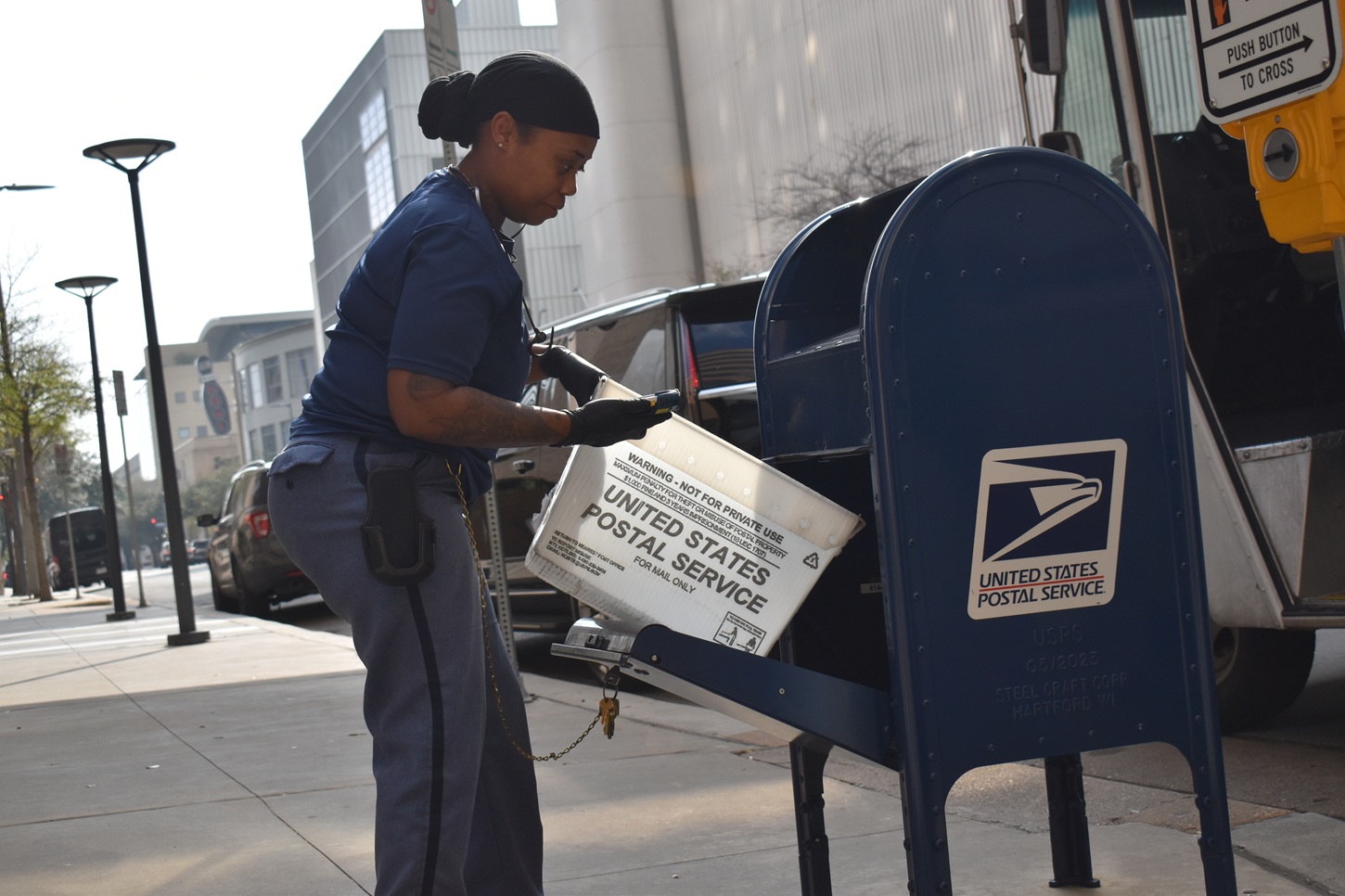
America’s embattled post faces a financial reckoning—with far-reaching consequences for New York City and beyond.
Amid the constant whir of delivery vans in New York’s streets, an overlooked behemoth teeters on the brink. By 2027, the United States Postal Service (USPS) could exhaust its last dollar, a prospect that portends slower mail, fewer accessible post offices, and costlier stamps for the city’s denizens and millions more. In a city where summonses, rent cheques, and jury duty notices still slip through letterboxes in battered blue sacks, even the digital age cannot render the postal service wholly obsolete.
Washington’s postmaster general, David Steiner, appeared before Congress in March with a stark warning: the USPS, beset by waning letter volumes and inflexible legacy costs, is running out of runway. Having already brushed up against its Congress-approved borrowing limit of $15bn, the agency faces a $8.1bn loss in 2026 under current trends. Its “Delivering for America” strategy—long on ambition, short on revealed detail—suggests the only path forward involves sharp price hikes and service cuts.
Plans on the table include raising the price of a first-class stamp from today’s $0.73 to $1 or higher, pruning deliveries from six to five days a week, and shuttering up to hundreds of rural post offices. Such moves, estimates Steiner, might net around $3bn in annual savings from fewer delivery days, with additional nine-figure cuts arising from closing smaller branches. Execution, however, would mean palpable change on the pavement of city streets.
For New Yorkers, the implications are immediate and multiple. Mail delivery—already less brisk since the pandemic—could slow further, with routine letters and payments pushed out by a day or more. Consumers are likely to bear the brunt: higher postage for everyday transactions, less reliable timelines for bill payments or legal notices, and, in some neighbourhoods, longer treks to reach the nearest post office.
Businesses are hardly immune. Small companies reliant on bulk mailings may have to eat higher shipping costs or suffer the hit from sluggish deliveries. Nonprofit agencies, senior citizens who depend on physical checks, and immigrants conducting official paperwork could find themselves caught in a squeeze. Larger firms have long looked elsewhere—to the muscular networks of Amazon or UPS—but the post, crucially, remains the only service with a federal mandate to serve every address from Inwood to Staten Island.
Beneath these day-to-day headaches lies a deeper reckoning about the city’s place in America’s postal experiment. For generations, New York has depended on a universal, affordable postal network as social glue—binding boroughs together as well as connecting the city to the farthest reaches of the country. Wound-down service may fray social bonds and amplify inequalities, especially for communities less able to leap to digital alternatives.
Nationally, New York is far from alone. The USPS’s malaise is structural: across the country, citizens send barely half as many pieces of physical mail as they did two decades ago, while e-commerce giants siphon off lucrative shipping profits. Yet the post remains yoked to Congressional mandates—required to maintain six-day service and pre-fund enormous pension liabilities—while lacking leeway to invest boldly or pivot nimbly.
Abroad, other national posts face similar woes, but with a difference. Britain’s Royal Mail and Deutsche Post both moved more quickly to recalibrate their business models, shed some obligations, and experiment with privatization or digital services. While not without pain, these efforts left them, in many respects, better poised for the e-commerce age. American resistance to reform, by contrast, bodes ill: as politics polarises, Congress is unlikely to sanction bailouts or approve controversial closures before the post stares down insolvency.
Reform deferred seldom means reform avoided
The city stands to lose not just convenience but a surprising portion of its economic and civic infrastructure. In sprawling, ageing public-housing blocks or immigrant-heavy districts where reliable broadband remains patchy, the post is more than nostalgia—it is a lifeline. As services thin, so might trust in neutral, public institutions. The risk is not merely inconvenience, but increased atomisation of urban life.
There are, to be sure, modest reasons for optimism. Americans have proven capable of rallying politically around the post’s iconic blue boxes when cuts threaten, and some reforms—such as limiting pension pre-funding—have penetrated the sausage-making of Congress before. Moreover, the USPS’s brand is strong, bolstered by a pandemic role delivering ballots and medicines. But all this sentiment might stave off catastrophe only in the short run.
Longer term, the post faces a stark choice: bloat or adapt. It must pursue efficiency with fresh vigour—rooting out redundancy, digitising more services, and seeking regulatory clemency to price its services competitively. At the same time, Americans must decide whether they wish to subsidise universal access or accept a post more akin to a private courier: efficient, but indifferent to place.
For New York’s millions, the coming recalibration may feel less like grand reform than a slow attrition—of routes, staff, options. Yet, history suggests neither nostalgia nor inertia make for wise urban policy. The incremental erosion of America’s universal postal promise may not grab headlines, but—like a letter gone astray—its absence is felt keenly, and often, too late.
If change is inevitable, let it at least be purposeful. Lawmakers and citizens alike should demand not the cheapest, but the most useful postal system for the 21st century: one that combines nimble digital options with broad accessibility. Anything less would be, for Gotham and America alike, a puny return on an unparalleled tradition. ■
Based on reporting from El Diario NY; additional analysis and context by Borough Brief.