Trump, Top Officials Evacuated After Shots Fired at D.C. Correspondents’ Dinner, No Injuries Reported
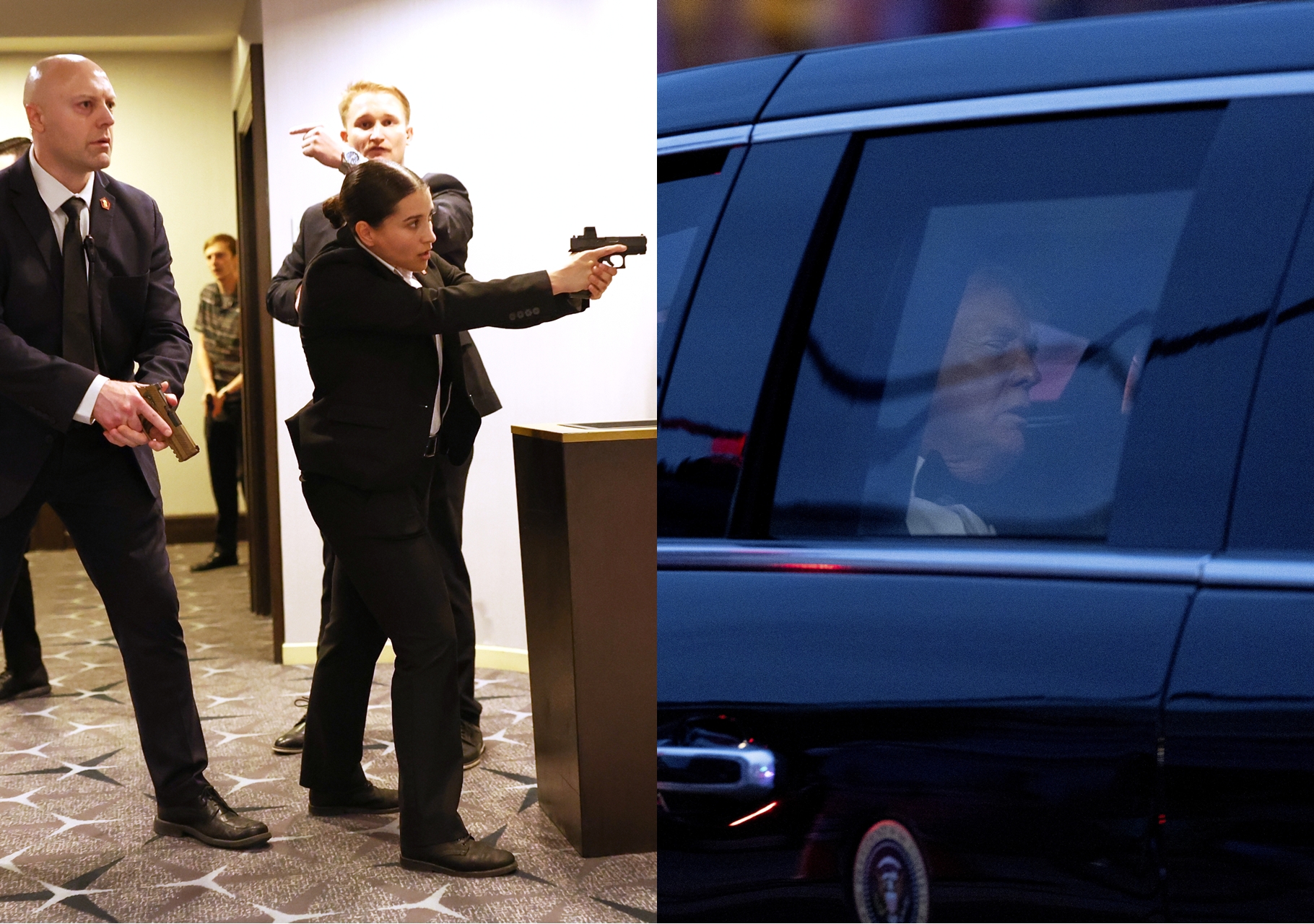
The attempted shooting at a prominent Washington dinner reverberates far beyond the capital, raising new questions about security, political civility, and public life in New York City and beyond.
The clatter of silverware and polite applause at Washington’s Hilton Hotel shattered into chaos on Saturday night. Five to eight gunshots, by most accounts, echoed across the chandeliered ballroom just as President Donald Trump, Vice President J.D. Vance, and a phalanx of senior officials mingled with a crowded press corps and celebrities at the annual White House Correspondents’ Dinner. Within seconds, black-suited Secret Service agents hustled top officials from the premises, as journalists cowered under linen-covered tables. Few expected the republic’s front row would face such a threat during a night of supposed bonhomie.
The facts, sparse but alarming, indicate that a lone attacker opened fire within the hotel. The Service Service and Washington’s Metropolitan Police swiftly secured the area. The gunman, officials report, was detained within minutes. Miraculously, nobody among the hundreds present was physically harmed. Donald Trump, whisked from the ballroom, declared via his Truth Social outlet that “the shooter was apprehended” and praised the “fantastic” response of law enforcement. He even suggested—presumably with his trademark bravado—that he recommended “the show must go on.”
For New York City, the shockwaves of a foiled attack in the district are anything but distant. The city is, after all, home to one of the world’s densest concentrations of media, government, and business leaders—precisely the sorts of folk targeted in Washington last weekend. Recent years have already heightened anxieties, with 2023 seeing a 37% increase in security incidents at high-profile public events citywide, according to the NYPD. This episode will almost certainly embolden calls for all manner of new precautions at Manhattan galas, mayoral appearances, and press summits.
The incident spotlights a growing premium on security in public life. At events on the scale of the Met Gala or the annual Al Smith dinner, security cordons are already punishingly tight—paparazzi and would-be crashers are familiar with the NYPD’s perimeters. Yet the fact that a shooter breached multiple checkpoints at a comparably airtight venue may nudge organisers to ratchet up measures further. Some institutions, like the UN Headquarters on First Avenue, are already reviewing protocols, city officials hint, despite no specific threat to the city. The costs—measured in overtime, equipment, and a pervasive culture of suspicion—promise to mount inexorably.
The economic implications are less theatrical, but no less real. Enhanced security means higher fees for private venues, ballooning event insurance premiums, and delays that gnaw away at New York’s buzzing calendar of fundraisers, lectures, and cultural events. Hospitality firms—already pressed by pandemic hangovers and labour shortages—may grumble, but the calculus of risk has shifted. For ordinary New Yorkers, the city’s famous openness could slowly yield to ID checks, metal detectors, and a digital wall of registration forms, all in the name of “peace of mind.”
Nor is the societal toll merely financial or logistical. A city famous for its robust, sometimes raucous public discourse risks growing jittery, ever more wary of spontaneous engagement or lively protest. Politicians and public figures have good reason to be cautious, but so too may ordinary voters if the spectacle of officials ducking for cover at a press banquet becomes fodder for nightly news. Paranoia is contagious, and the temptation to restrict protests or press access, for fear of some hypothetical “next time,” will surely tempt future mayors and event organisers.
The political consequences are more pungent still. New York’s aggressive tabloid culture thrives on proximity and candour; its national representatives—from Chuck Schumer to Alexandria Ocasio-Cortez—are notoriously available to the press, if not always to their rivals. Political consultants across the city already muse about curtailing town halls or switching to virtual meetups, a trend long in motion since the COVID-19 era and now likely given fresh impetus. One wonders whether the “city that never sleeps” will become the city that never mingles.
Troubled times for American public space
Beyond city limits, the American public square is plainly under strain. Political violence, though rarer than in some imaginations, is persistent enough to scramble nerves—bookending a period that has already seen a congressional baseball game shooting, a violent assault on Nancy Pelosi’s husband, and the 6 January 2021 Capitol riot. Compared with other democracies, the United States faces not merely a higher baseline of firearms in circulation—423 million, according to the Small Arms Survey—but a singular tradition of public contentiousness.
Globally, major cities have responded variably to similar threats: Paris, after the 2015 attacks, tripled its policing budget for major events; London’s approach blends visible but subtly deployed security, an art New Yorkers once prided themselves on mastering after 9/11. Yet nowhere else is the tension so acute between openness and vigilance, nor the public appetite for access so entrenched.
What lesson, if any, ought we to draw from this tepid affair in Washington? First, that even the most gilded of dinners provides no foolproof defence against threats—a reality New York learned after the shooting of former Congresswoman Gabrielle Giffords in 2011, and again when Salman Rushdie was stabbed at a public event in nearby Chautauqua in 2022. Second, that a balance must be struck between security and liberty, lest the city enclose itself in a fortress mentality foreign to its restless, improvisational spirit.
We reckon that the answer does not lie in panic, nor in burdening every gathering with airport-grade security. Rather, New York’s edge has ever derived from its refusal to be cowed: resilience, not retreat, has long been the city’s calling card. The task for city leaders—and for organisers, police, and citizens alike—is to treat such incidents seriously without surrendering to fear. On that count, New Yorkers have shown themselves hard to rattle.
With knuckles a shade whiter, New Yorkers will likely continue to gather—albeit after an extra pass through a magnetometer. Public life in the city, as in the country, persists less by virtue of its security measures than its stubborn refusal to bow to intimidation. That is an example the capital, and the country at large, would do well to emulate. ■
Based on reporting from El Diario NY; additional analysis and context by Borough Brief.