Trump Threatens to Replace TSA With ICE at JFK Amid DHS Shutdown Standoff
Donald Trump’s threat to deploy ICE at airports over a funding standoff puts the intersection of immigration policy and New York’s transit lifelines in the national spotlight.
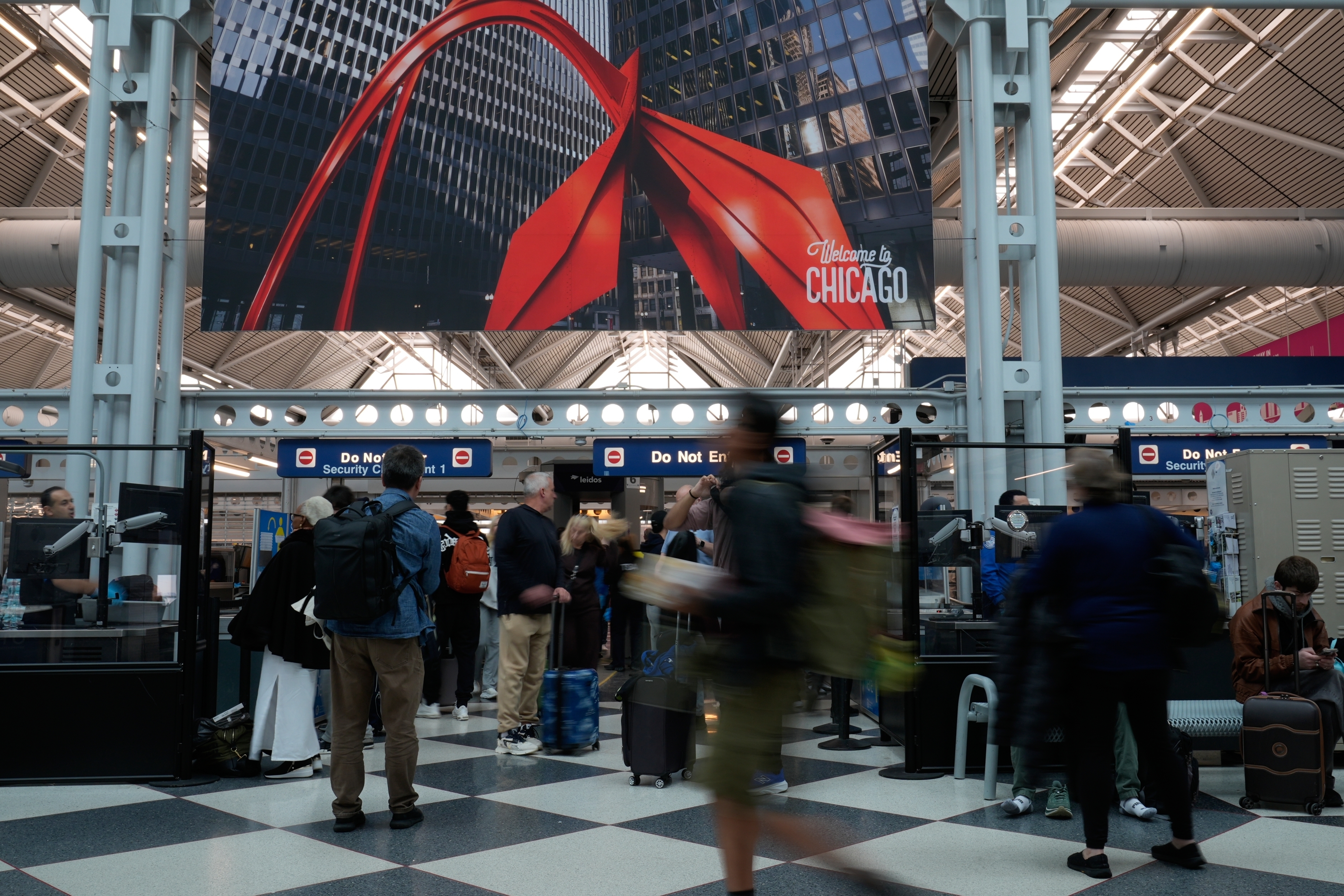
At John F. Kennedy International Airport last week, travellers queued for nearly two hours at security, their patience fraying as Transportation Security Administration (TSA) agents—some unpaid, others absent—scrambled to process the crowds. Across the United States, including in New York and Atlanta, the TSA’s depleted ranks have become a symbol of a larger standoff. The trigger: a partial shutdown of the Department of Homeland Security (DHS), now stretching past its fifth week, sparked by an impasse in Washington over immigration enforcement.
On Saturday, Donald Trump raised the temperature: in a public broadside on Truth Social, the former and possibly future president threatened to assign airport security nationwide to Immigration and Customs Enforcement (ICE) agents if Congress, and specifically Democrats, did not authorise funding for the TSA. Framing ICE as “brilliant and patriotic”, he hinted that their new remit would include “immediate arrest of all illegal immigrants,” with particular emphasis on those from Somalia—a clear nod to his ongoing feud with Minnesota’s Somali-American community and their political representatives.
For New York City, the potential consequences are manifold. Its airports—JFK, LaGuardia, and Newark—handle nearly 140 million passengers annually, pumping billions into the region’s economy. A workforce crisis at the TSA, already triggering record delays, portends not just inconvenience, but also the risk of compromised security. Should federal wrangling thrust ICE onto the frontlines of screening, the experience of airport transit could be transformed, especially for foreign-born New Yorkers and visitors.
The standoff is the latest, if most dramatic, chapter in America’s perennial negotiation over migration and security. Democrats, still fuming after two citizens were killed by federal agents during mass ICE raids in Minnesota in January, have refused to sign off on a wider DHS budget. Their fixation: restrict the president’s ability to prosecute what they view as aggressive, politically-motivated enforcement against migrants—especially those tied to Somali communities, now entangled in accusations of welfare fraud, crime and corruption. Funds for ICE and other strict enforcers were already guaranteed by Trump’s 2025 tax-and-budget package; TSA’s purse, it turns out, remained hostage to congressional will.
Local impact is both immediate and insidious. Airport unions report an uptick in sick days, retirements and outright resignations among TSA staff—few in New York can survive long on IOUs. Passengers suffer first, but businesses soon follow as missed connections cascade through the city’s time-sensitive economy. If ICE expands its presence (in authority as well as numbers), families could face the spectre of immigration enforcement simply for seeking to board a flight; New York’s vaunted openness could be tested as never before.
Second-order effects ripple through sectors far from airport terminals. New York’s tourism industry, still limping back from pandemic-era doldrums, could find its gains reversed. The city’s reputation for pluralism remains at stake, especially as Trump singles out particular ethnicities and political targets. For immigrant-heavy boroughs—Queens above all—a heavier ICE footprint could mean eroded trust in law enforcement, or even outright deterrence of lawful airport use by legal residents anxious about profiling. The city’s politicians, many in open opposition to Trump’s immigration agenda, would have scant leverage over federal deployment decisions.
Nationally, the White House’s gambit speaks to a broader style of hostage politics that has become depressingly routine. Government shutdowns were once rare and shameful events; now, they seem almost humdrum, as agencies become pawns in contests over culture and control. The steady expansion of ICE’s budget—despite gridlock elsewhere—suggests a pivot: border and migration policing are now core, even sacrosanct, federal priorities, while more mundane services like airport security are fair game for brinksmanship.
Globally, Trump’s threat stands in grim contrast to other rich-world democracies, where migration debates are fierce but rarely involve putting airport operations at the mercy of policing agencies. Even Britain, consumed by its own post-Brexit migration hangovers, has kept the Border Force distinct from security screeners; continental Europe remains leery of blending interior enforcement with public transit oversight. Such distinctions, it appears, are more porous on these shores.
Policy by provocation, and its pitfalls
The irony is that Trump’s menacing of airports may rally the very opposition his party seeks to vanquish. New York’s delegation in Congress—Democrats almost to a man—are unlikely to cave quietly. Local authorities, from the mayor’s office to the Port Authority police, have limited legal power but abundant capacity for public relations warfare. Unions, too, may sense opportunity: threats to officers’ pay and passengers’ safety may yet galvanize a coalition against overreach.
Still, this is no mere spectacle. If ICE personnel, trained for enforcement not customer care, replace civil TSA agents at checkpoints, the risk of confusion and confrontation is real. Civil-liberties groups will pounce; complaints of profiling, abuse, and arbitrary detention could spike. For New Yorkers who trace their roots abroad—more than a third of the city—the transit experience could swiftly become fraught.
Moreover, the precedent bodes ill. If Congress’s inability to fund mundane government functions empowers presidents to reshape airport security, the boundaries between civil and security state may blur. The public’s tolerance for weaponised bureaucracy—once considered an American safeguard—faces a fresh stress test.
We view Mr Trump’s threat as both performative and ominous: a calculated provocation that mixes real leverage with political theatre. The likelihood of ICE supplanting TSA in New York airports is—thankfully—modest, particularly given the reputational blow such a deployment could inflict on the city and the airlines so essential to it. Yet the roots of the crisis are no laughing matter: chronic budgetary deadlock married to hardening attitudes around borders.
New York has weathered worse, but each shock leaves scars. As Congress votes once more, with the city’s travellers hostage to remote quarrels, the real test will be whether the institutions that keep a global city running—airports included—can escape the gravitational pull of Washington’s recurrent melodrama. ■
Based on reporting from El Diario NY; additional analysis and context by Borough Brief.