Trump Threatens Iranian Bridges and Power Plants, Tuesday Deadline Looms Over Strait Blockade
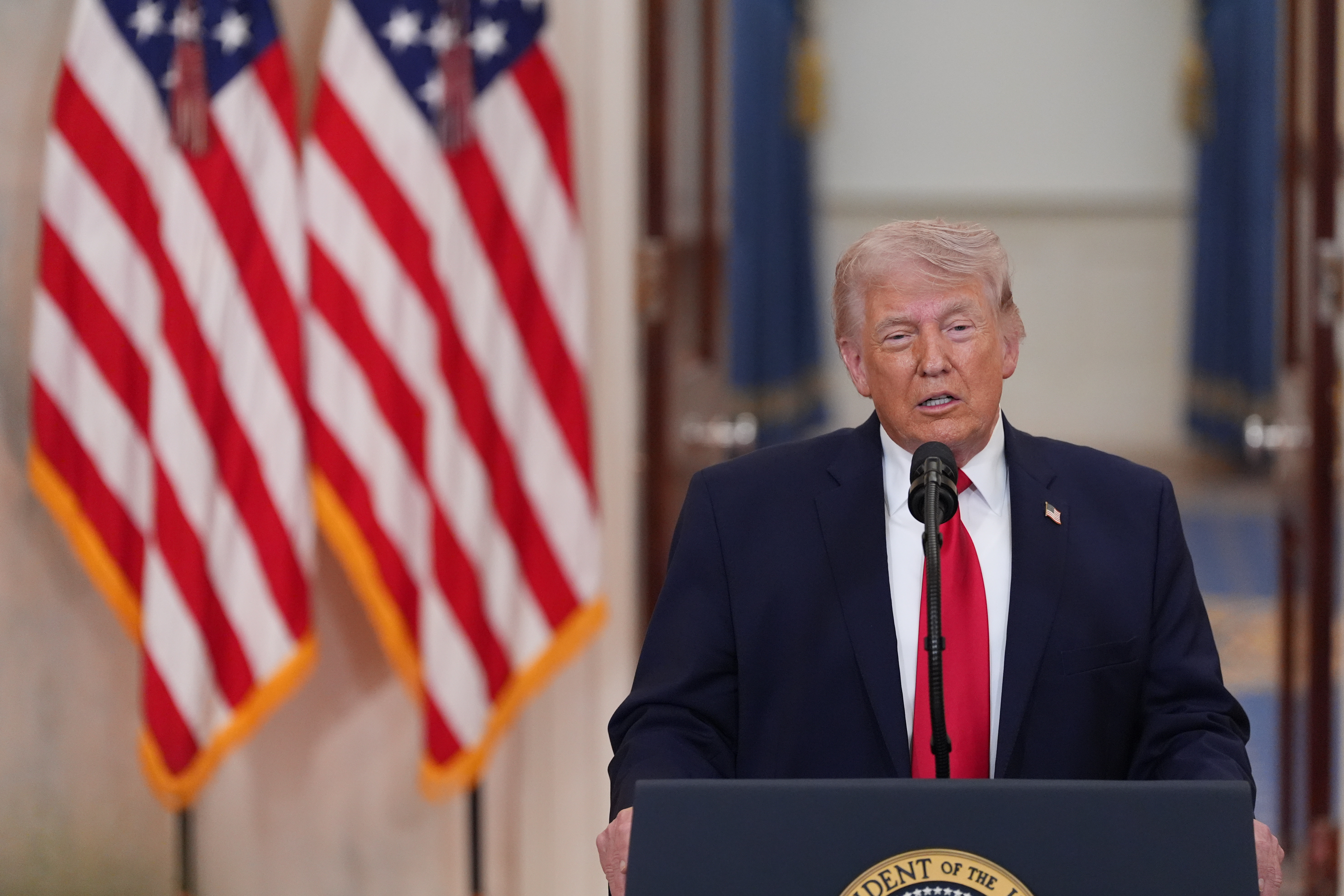
Aggressive posturing in the Persian Gulf once again reverberates through New York, with economic and security implications that go well beyond sabre-rattling tweets.
A little before dawn in New York, Wall Street traders logging onto their terminals on Monday were greeted not by market data but by presidential threats. Donald Trump, never averse to bombast, declared that unless Iran reopens the Strait of Hormuz—artery for roughly a fifth of global oil exports—Tuesday would become, in his words, both “the Day of the Power Plant and the Day of the Bridge” for the Islamic Republic. The explicit reference to targeting electricity infrastructure and bridges left little to the imagination. “Open the damn strait, you madmen, or you will live in hell!” thundered the president.
The immediate backdrop is bleak. In an assertive move, Tehran recently shuttered the Strait of Hormuz, choking off an essential corridor for global energy shipments. Concurrently, the dramatic rescue of a downed American pilot by US forces in the Iranian mountains, breathlessly recounted by Mr Trump, supplied a touch of vintage action-movie heroism to the proceedings. By Sunday night, the world was left weighing the credibility and implications of the commander-in-chief’s bellicose utterances.
For New York City, such rhetoric is more than geopolitical theatre. As the linchpin of American finance, commerce, and media, the city acutely feels every jolt in faraway shipping lanes. Energy prices spike in anticipation; already, futures markets are hinting at increased volatility. A protracted crisis would ripple outward—raising heating and transportation costs, challenging already stretched civic budgets, and threatening to dampen the city’s cautious economic optimism post-pandemic.
The security dimension also looms large. New York, never far from the crosshairs of global tempests, must brace for the downstream effects of heightened international tensions. City agencies have, for years, quietly upgraded counter-terror preparedness in response to eruptions in the Middle East, from increased bag checks on the MTA to robust cybersecurity investments. A US attack on Iranian infrastructure, particularly if wielded as a punitive spectacle, is likely to provoke asymmetric responses targeting American cities or interests abroad. Such risks are not easily modeled but have historically proved costly.
For the city’s diverse population, the prospect of escalation in the Persian Gulf revives old anxieties. NYPD intelligence officials will recall the surges of anti-American demonstrations and potential threat chatter that dogged the city during previous episodes of military brinkmanship in the region. Iranian-American New Yorkers, a small but prominent community, may also find themselves under unwelcome scrutiny or facing revived prejudices—an outcome both unjust and familiar.
Economic impact, of course, transcends borough lines. New York’s central position in the global oil market means that swings in crude prices can whipsaw everything from taxi fares to food delivery logistics. Businesses hedging their risk portfolios will find the cost of insuring supply chains edging upwards. The city’s vast public transport, while increasingly electrified, is not immune; electricity is ever more generated by natural gas, itself sensitive to world energy tremors.
Nationally, Mr Trump’s posture invites comparison with previous standoffs—think the tanker wars of the 1980s or early 21st-century missile diplomacy. Yet, the explicitness of targeting civilian infrastructure marks a sharp rhetorical, if not legal, departure. International law, including the Geneva Conventions, frowns upon attacks that imperil civilian life and essential services, even in retaliation for military moves. Such threats, even if not soon realised, undermine global norms more often than they deter.
The view from abroad, notably in Europe and East Asia, is equally restive. Every threatened disruption to energy flows through Hormuz sends policymakers scurrying for contingency plans. Allies fret that America’s unpredictability bodes ill for stable diplomacy, while adversaries may be emboldened to test US resolve elsewhere. In a globalised age, even a short blockade can drive up shipping insurance, trim profit margins, and force political recalculations from Berlin to Beijing.
Geopolitics without guardrails
For all the theatrics, what are we truly witnessing? Mr Trump’s threats may play well to certain domestic constituencies, who equate muscular response with strength, especially in an election cycle. Yet, the risks overshadow the rewards. History is littered with cases where chest-thumping provoked unintended conflagrations, especially in the labyrinthine context of US–Iran relations.
The rescue of a downed pilot is, indeed, a technical coup and a testament to military prowess. But the president’s impulse to trumpet such feats alongside threats of infrastructure attacks muddies strategic waters. Decoupling legitimate military actions from hyperbolic taunts would better serve not only America’s interests but those of its cities—New York foremost among them.
We reckon that this episode portends no quick settlement. A maximalist stance from Washington, met by maximalist defiance in Tehran, leaves little room for de-escalation. The chances of an actual strike on Tuesday may be puny, but the real-world consequences—spooked markets, frazzled city agencies, and anxious residents—are tangible enough.
What New York needs, as ever, is predictability and prudence from those wielding power. A world city’s fortunes are made fragile by the thin reed of global order—a reed currently being tested by leaders for whom brinkmanship counts as negotiation. No amount of lowered bridges or blacked-out power stations in Iran will lighten New Yorkers’ monthly ConEd bills, let alone make their daily commutes less fraught.
Mr Trump has always preferred deals made in the public glare, and threats delivered in digital 240-character blasts. Yet, for a city rooted in reason and risk calculation, such improvisations are a source of chronic disquiet. The city’s fate, too often, is entangled with the shifting moods of faraway men with megaphones.
Whatever unfolds on Tuesday, New York will adapt, as it always does. But a sober diplomatic recalibration—not one-day spectacles—would better safeguard both American interests abroad and New Yorkers’ daily lives. ■
Based on reporting from El Diario NY; additional analysis and context by Borough Brief.