Trump and Netanyahu Launch Iran Strike Without Mandate, United Nations Left Sidestepped
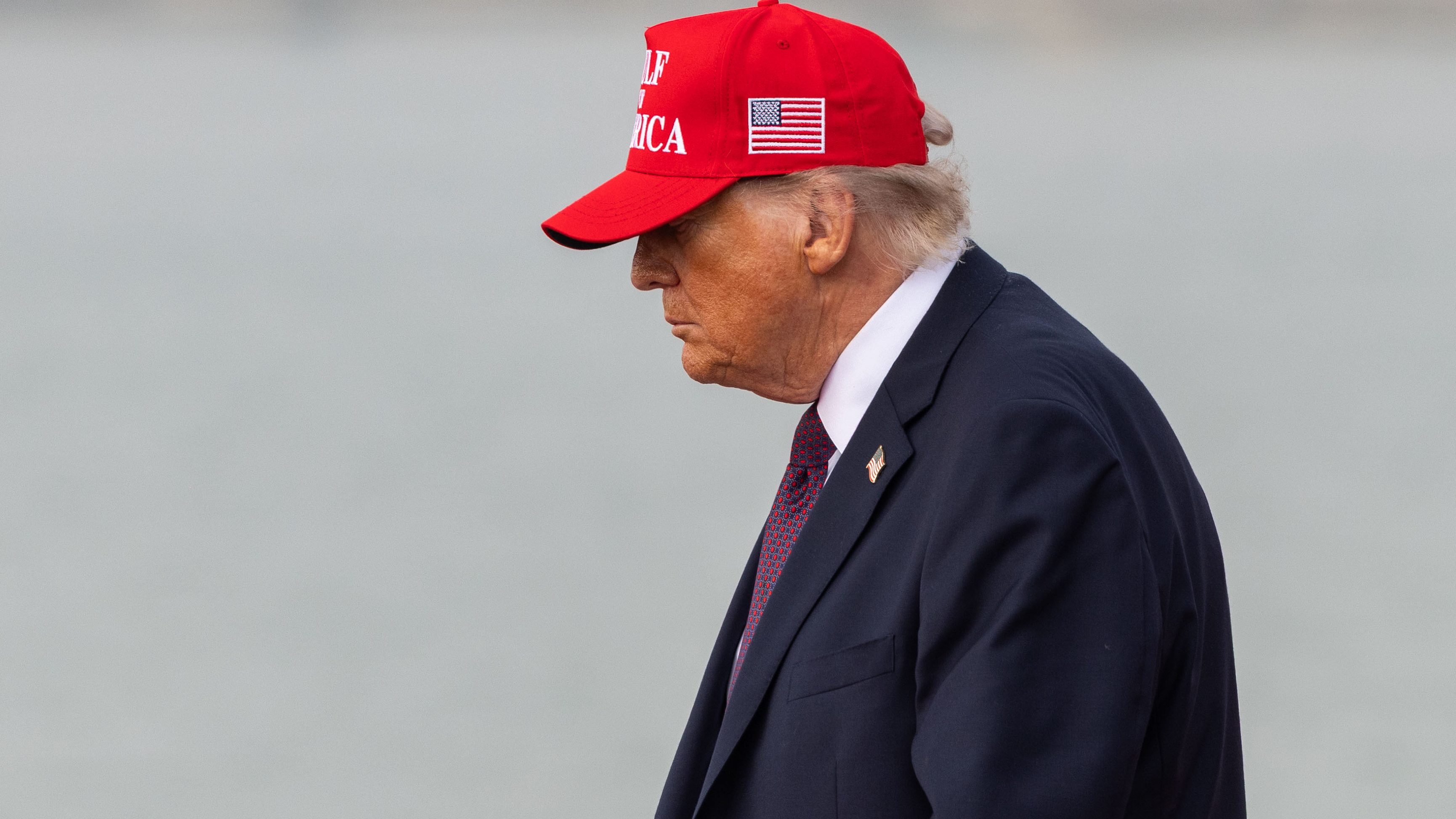
Donald Trump and Israel’s coordinated, unauthorized attack on Iran marks a perilous shift in American war-making—one fraught with legal, economic, and diplomatic repercussions from Manhattan to Tehran.
Even by the standards of the city that never sleeps, the headlines on the morning of June 22nd jolted many out of their routine stupor. New Yorkers awoke to the news that President Donald Trump, flanked by Israeli Prime Minister Benjamin Netanyahu, had launched airstrikes against key Iranian military targets—without prior Congressional approval or an international mandate. The United States’ largest projection of force in the Middle East since the calamitous 2003 Iraq invasion was now underway, and the world’s anxiety greeted the day at a higher pitch.
The decision, announced in a terse eight-minute presidential statement, dispelled any illusion that the strike was “limited” in scope. Instead, Mr. Trump declared—not without bravado—that Iranian military assets would be “destroyed” if the regime did not capitulate entirely. Gone were the ambiguities of adversarial gamesmanship. The aim, baldly stated, was regime change, with an explicit appeal for Persians, Kurds, Azeris, and others to “overthrow the burden of tyranny.”
The war’s first implications register most quickly and acutely in New York City, ever a barometer for global disquiet. Area financial markets, already jittery, responded with the reflexes of a startled animal: equities fell 2% in early trading, energy futures soared, and gold—always a port in geopolitical storms—gleamed as investors fled to safety. Memories of September 11th and the financial panic of 2008 still run deep; another foreign entanglement conjures both economic and security ghosts.
The economic second-order effects are already unfurling. The Port of New York and New Jersey, the largest petroleum entry on the Eastern seaboard, now braces for supply bottlenecks as Gulf shipping lanes face disruption. Importers and exporters recall the price spikes—crude oil briefly touched $130 a barrel—when similar uncertainties dogged the Strait of Hormuz. Local refineries and transit authorities, as well as tens of thousands of workers, stand to lose if volatility persists. The city government, staring down enduring fiscal headaches from COVID-era shortfalls, may find little comfort in the prospect of higher fuel and insurance costs.
Beyond the ledger, political and social consequences loom. The manner of the war’s launch—bypassing Congress, sidestepping public debate—presents a piquant test of civic norms. New York’s Congressional delegation, long a crossroads of hawks and doves, finds itself scrambling for footing. Alexandria Ocasio-Cortez, the city’s progressive stalwart, swiftly condemned the “flagrant bypass of constitutional order,” while Chuck Schumer, cloaking himself in ambiguity, called merely for “urgent consultation and de-escalation.” City streets, coloured by decades of activism from anti-war and immigrant groups, quickly filled with protesters. For the city’s sizeable Iranian, Jewish, and Muslim populations, the assault portends a new season of tension—echoes of lost homelands amplifying the unease.
At the margin, New Yorkers pay special attention to such distant shocks. The city’s rent for its prominence as financial centre and international haven is vulnerability to every foreign tempest. Memories of the George W. Bush years are dissuasive: costly wars bring not glory but budget deficits, battered confidence, and endless security theatre at Penn Station and LaGuardia. Ordinary New Yorkers, desensitised as they may be, still grasp that distant detonations send shrapnel home.
Setting aside parochial anxieties, the underlying legal and diplomatic optics are baroquely fraught. Mr. Trump’s so-called “Peace Board”—unveiled barely ten days before hostilities—offered, with little irony, a new international framework purportedly designed to “resolve conflicts worldwide.” Instead, the council convened a flock of autocrats and hangers-on in Washington to burnish the president’s image, leaving multilateralists aghast and UN diplomats bewildered. America’s pitch at the Security Council, to sell this ersatz body as an alternative peacemaker, now reads as misdirection; the actual gambit was less palatable.
Brinkmanship and its Manhattan consequences
The current conflagration is not just a regional misadventure; it is a bracing study in the perils of rutting against the established order. By some estimates, the attack on Iran violates both the UN Charter and the domestic War Powers Act (50 U.S.C. 1541 et seq.), marooning allies and frightening bond markets in one stroke. As European leaders dither and Asian markets slide, New York’s own cosmopolitanism—heralded as her strength—becomes acutely felt vulnerability.
Elsewhere, such impromptu invocation of “coalitions of the willing” would seem passé. Britain, still weary from Basra, grumbled; Germany fretted about NATO’s sidelining; even the usually bellicose Gulf monarchies demurred. In contrast with the 2003 Iraq invasion, this effort enjoys even less cover. Only Israel’s Netanyahu stands resolute, claiming existential peril. For many global observers, the spectacle reinforces America’s penchant for swagger punctuated by improvisation.
Comparisons to previous American adventures in the Middle East are, if anything, unflattering. The Iraq war’s aftershocks—a shattered region, swollen refugee flows, and almost $2 trillion in costs—echo with every Pentagon press conference. New York’s own legacy of welcoming refugees and asylum-seekers, prided by local officials, now stands tested by potential new influxes and emboldened adversaries.
We are no strangers to power politics cloaked in the language of peace. Yet an unprovoked strike, crafted in haste and adorned with legal fig leaves, bodes poorly for the city and the country it anchors. Sceptics—always thick on the ground in New York—note that the long-term ledger of such escapades is almost uniformly red, not just fiscally but morally and institutionally.
It is tempting, with a typically Manhattanite blend of fatalism and sardonic wit, to assume the commotion will pass—as so many other alarms have done. But the city’s experience with cascading global risk argues for caution. Wars, especially those begun on questionable pretexts, rarely confine themselves to desert battlefields; they trail costs, disappointment, and unintended consequences far beyond their authors’ reckoning.
If Mr. Trump’s aim was to assert American preeminence or unlock an era of global tranquility, neither goal seems remotely in view. Instead, New York—and the world—must contend with the aftermath of a gambit born of hubris, legal ambiguity, and diplomatic impatience. We suspect that while New Yorkers know how to muddle through, even they blanch at the prospect of yet another indefinite war entered on a whim. ■
Based on reporting from El Diario NY; additional analysis and context by Borough Brief.