Travel Ban Holds as 15 Inches Blanket NYC, Sanitation Crews Earn Their Overtime
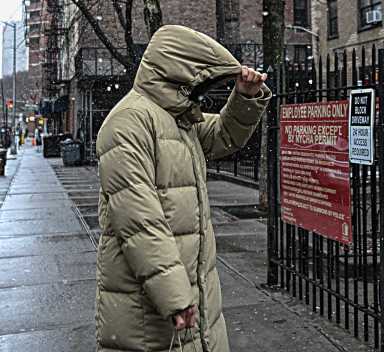
New York’s travel ban amid a ferocious blizzard exposes both the city’s vulnerability to extreme weather and the strengths—and limits—of urban emergency management.
Some New Yorkers refer to their city’s winters as bracing; this week’s calamity put a frosty edge on the word. By 7 a.m. Monday, more than 15 inches of snow had blanketed the five boroughs, while wind gusts, at times reaching 60 miles per hour, scoured the city’s avenues and rendered even the sturdiest umbrella fit only for the bin. The mayor, Zohran Mamdani, did what New York mayors have done since LaGuardia: he declared a local state of emergency and, for good measure, a sweeping travel ban across the metropolis.
The restrictions were plain: from 9 p.m. Sunday through at least noon Monday, traversing the city by anything from electric scooter to rideshare car was strictly verboten, unless one wanted to risk a class B misdemeanor. Buses crawled along tepid schedules; some subway lines opted for the dignity of full suspension. Even DoorDash, supplier of pizza and poké alike, bowed to meteorological fate and shut down all deliveries until the storm receded. When commerce and convenience both yield to the weather, you know that Nature is winning.
The first casualty of any Nor’easter is movement. In Manhattan, the ban cleared the roads for an armada of more than 5,000 Department of Sanitation (DSNY) trucks, which merrily ploughed away, achieving the bureaucratically pleasing feat of clearing 99% of city streets by dawn. Roughly 2,600 sanitation staff laboured through 12-hour shifts; a quiet testament to the city’s capacity, when pressed, to muster gargantuan resources for the most elemental task: keeping the city moving—or, in this case, still.
Yet, while snow days once evoked visions of sledding in parks and hapless drivers buried to their side-mirrors, New York’s new normal is anything but quaint. This blizzard, its impact magnified by the density and dependence on infrastructure, instantly exposed the city’s peculiar fragility. Essential workers needed safeguarded passage, while everyone else endured a formless limbo—stuck between the now-ubiquitous telework routines and the rare inability to access groceries, pharmacies, or, heaven forbid, their morning bagels.
The immediate effects are puny compared with the knock-on costs. The city, a pulsing hub of commerce and logistics, finds itself stalled by an act of God. Restaurants—those that braved the pandemic only to face a whiteout—lose a critical day’s revenue. Small retail, already licking wounds from years of e-commerce competition, bleeds further. Those paid by the hour, whether baristas or bike couriers, miss out on a day’s wages, unlikely to be recouped in this week’s ledgers. At times, urban resilience can look downright anaemic.
At a more existential level, the disruption highlights how tightly wound the city is to its circulatory system. The MTA’s delays, though galling for straphangers, are testament to both the heroism and constraints of service workers expected to shiver on platforms so that hundreds of thousands might eventually shuffle home. Each storm offers another stress-test for aging tracks, creaking bridges, and unreliable city buses that have borne decades of deferred investment.
Nationally, New York’s experience is hardly unique—2026 has already seen snow emergencies from Minneapolis to Boston. But the stakes here are, predictably, multiplied. Nowhere else in America is the sheer number of people (over 8 million) so highly concentrated and so dependent on an intricate if occasionally capricious infrastructure. Other world cities with comparable density—think Tokyo or Paris—have poured yen and euros into upgraded transit, flood defence, and digital contingency planning. New York’s efforts, by contrast, appear earnest if sometimes piecemeal.
The mayor’s promptness in issuing the emergency order was prudent, but history suggests that repeated resorts to travel bans indicate a larger deficiency: chronic underinvestment in the tools that might keep the city ticking through adversity. While 5,000 snowploughs are impressive, the fragility of above-ground transit and lack of redundancy signal deeper issues that a flurry of press conferences cannot melt away.
How to weather more than just storms
As climate volatility grows, New York’s old scripts for disaster management look increasingly tired. The economics are unyielding: lost productivity, damaged stock, and rising insurance costs will pile up with each subsequent storm. Forward-looking cities now treat climate resilience not as a line item but as central to their urban strategy, building systems flexible enough to withstand snow, heatwaves, or disaster du jour.
There is a glimmer of optimism in the city’s response itself. Coordination between agencies has improved; communications reached millions in real time; emergency workers, by and large, had room to operate. In the digital era, New York can keep large swathes of its white-collar workforce online, tempering some of the economic impact. But such strengths only go so far if subways and buses seize, or if the same workers cannot access childcare, groceries, or medicines for days on end.
What, then, should the city do? Throwing money at tomorrow’s snowstorm is folly. Yet the lesson is plain: resilience is not a matter of heroics on the day but of steadfast, unflashy investment between crises. Upgrading grid infrastructure, hardening public transit, and modernising communications do not trigger ticker-tape parades, but they matter far more than the drama of televised briefings and hastily signed executive orders.
Storms will come—some as statistical outliers, others increasingly predictable as climate patterns shift. It is tempting, as residents grumble over delayed bread deliveries, to dismiss the ordeal as an unavoidable act of nature. Yet, in the world’s preeminent urban agglomeration, passivity is a poor insurance policy.
If history is any guide, New Yorkers will endure, gripe, and—once the slush vanishes—carry on. But unless the city builds in earnest for its meteorological future, each snowstorm will feel less like a visit from old man winter and more like a warning shot from a climate ever more rowdy and less forgiving. ■
Based on reporting from amNewYork; additional analysis and context by Borough Brief.