South Bronx Air Quality Worsens After Congestion Pricing, Data Outspeed City Promises
Efforts to clear Manhattan’s air risk polluting the Bronx, raising awkward questions about urban policymaking and equity.
At rush hour on Bruckner Boulevard in the South Bronx, the air tastes metallic and thick—a fact that is not lost on the neighbourhood’s 79,000 asthma sufferers. Last month, researchers from Columbia University and the community group South Bronx Unite published a study that should give policymakers another reason to mind the air: the city’s much-vaunted congestion-pricing scheme has coincided with a significant uptick in tiny, dangerous particles in some of New York’s poorest zip codes.
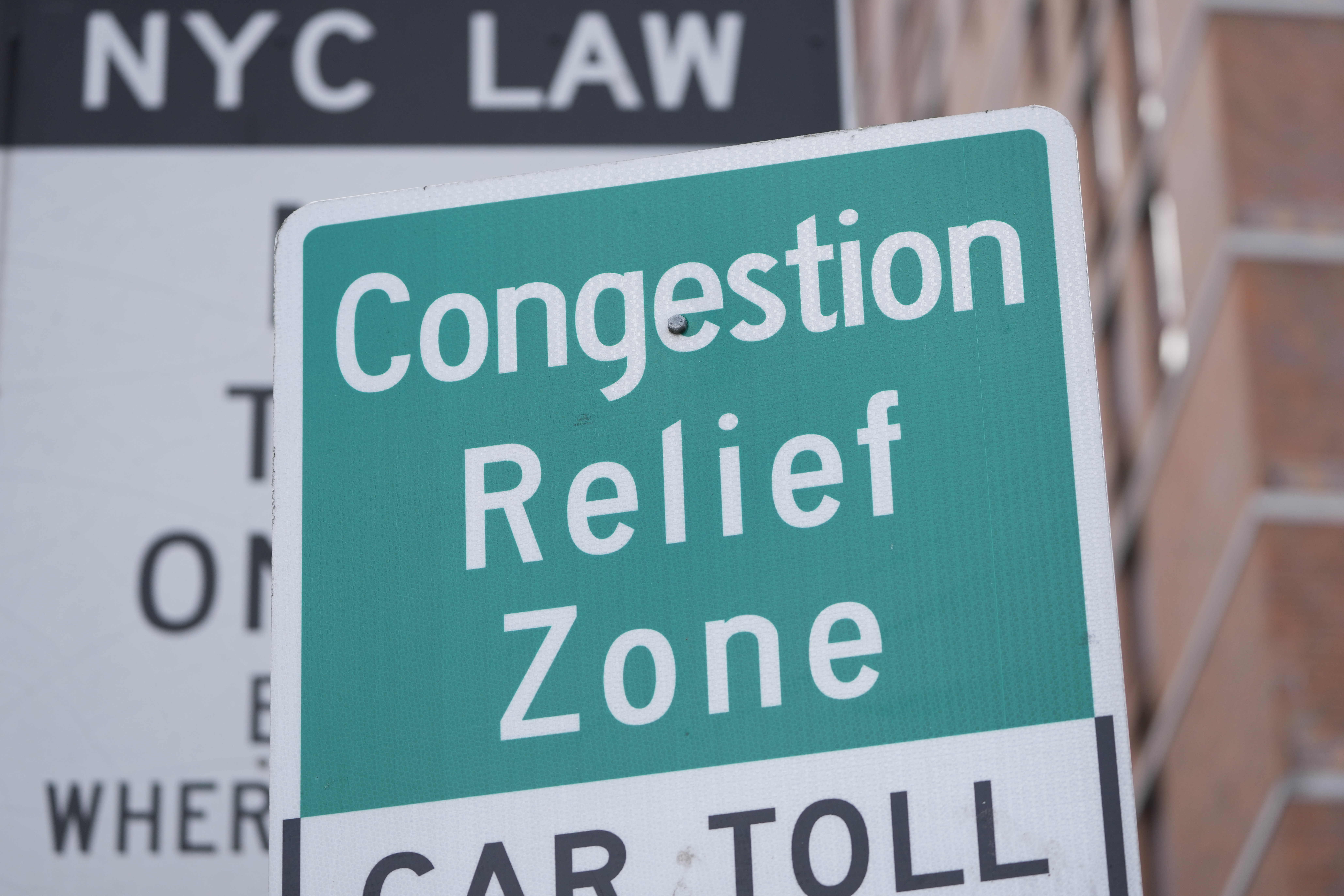
Since January 2025, motorists driving south of 60th Street in Manhattan pay to enter—a bid to discourage traffic, reduce emissions and fund public transport. However, the best intentions often produce unintended consequences. According to the study, over two years of data from 19 air-quality sensors, four in the South Bronx now register statistically significant increases in PM2.5, a form of particulate matter so small it can slip into the bloodstream.
So-called “Asthma Alley”, which roughly traces the contours of Mott Haven, Port Morris and parts of Hunts Point, already sits in the crosshairs of environmental and health hazards. Hemmed in by truck routes, wedged between depots, traversed by highways, and home to industrial heaps, these neighbourhoods wage a daily battle with pollution. The rate of asthma among both children and adults—about one in five, compared with city averages closer to one in seven—earns the moniker grimly.
From a planning perspective, the logic of congestion pricing is unimpeachable. Fewer vehicles in Manhattan’s core should mean brisker bus speeds, safer crossings and improved public health. Yet the Columbia study suggests that traffic—and its associated ills—does not vanish so much as migrate. Motorists determined to dodge the toll are rerouting through The Bronx, bringing their exhaust and their headaches with them.
New York City’s leaders find themselves in a familiar bind: a policy designed to create aggregate benefit generates pockets of particular harm. The city’s Department of Transportation touted the programme’s vows to reduce emissions and promote fairness. But if the haze rises in Hunts Point as it dissipates in Midtown, queries about whose wellbeing is prioritised become inescapable.
The stakes are substantial. PM2.5—the pollutant in question—has a well-documented portfolio of harms. The federal Environmental Protection Agency warns that prolonged exposure worsens respiratory disease, kindles cardiovascular troubles and shortens lives, especially among the youngest and most vulnerable. It does not help matters that low-income neighbourhoods like the South Bronx have little say in traffic flows, and even less sway in budgetary priorities.
To activists and local officials, the Columbia numbers confirm what common sense already predicted. “The Bronx should not bear the health costs of a transport policy designed for Manhattan’s benefit,” say campaigners, who have dogged public hearings with placards and patience for years. The city, for its part, must now reckon with the fact that policies sold as technological progress can replicate, or even worsen, old inequities.
Cui bono, and who pays? Congestion pricing is not unique to New York. London’s cordon toll, launched in 2003, and Stockholm’s system, running since 2007, both cut central traffic, improved bus timeliness and reduced ambient pollution—though accusations of shifting traffic, if less acute, lingered around both. Critics, especially in America, fear that without further mitigation, such schemes will help city centers at the expense of outlying, often poorer, districts.
A policy in search of balance
Thus the city faces a choice: press forward with business as usual and hope for a rebound in modal share, or amend the plan to blunt its punishing effects on the Bronx. Tweaks might include tightening rules for truck routing, investing in air filters for public buildings, subsidising greener freight or further improving local bus and cycling links. These fixes are neither swift nor cheap; they foreshadow difficult fiscal discussions in a city already fretting about its MTA budget.
From a national vantage, New York’s quandary is less a fluke than a warning. Urban policies—however well designed or intentioned—must learn to anticipate the patterns of avoidance and displacement at which drivers excel. Cities that close central arteries without providing alternate clean travel routinely find traffic, and its unseen effluent, clogs the next available vein.
Yet, there is a path forward. Data analytics, such as that marshalled by Columbia’s researchers, allow cities to monitor policy impacts in real time and make targeted adjustments. Transparent measurement and feedback is a prerequisite for equity, not a bureaucratic afterthought. Critics, for their part, might recall that before the pandemic, New York’s traffic and air quality trends were heading in the wrong direction; congestion pricing, if carefully managed, still holds promise as a lever for urban health.
All the same, more is required than technical fixes. Trust in city government, always fragile, suffers when the claims of “shared benefits” mask unevenly distributed harms. The experience of the Bronx underscores the perennial lesson that policy design must beware of the law of conservation of nuisance: you cannot make particles simply disappear by shifting borders on a map.
New York’s congestion pricing scheme, though blemished by side effects, is not doomed. But it will require modesty and revision—as well as an appetite for corrective investment—to ensure that South Bronx residents are not consigned to cough for the city’s cleaner future. In the calculus of civic trade-offs, breath is a variable that deserves more weight.
■
Based on reporting from El Diario NY; additional analysis and context by Borough Brief.