SNAP Rule Changes May Cut Food Aid for 2.4 Million, Study Warns of Rising Deaths
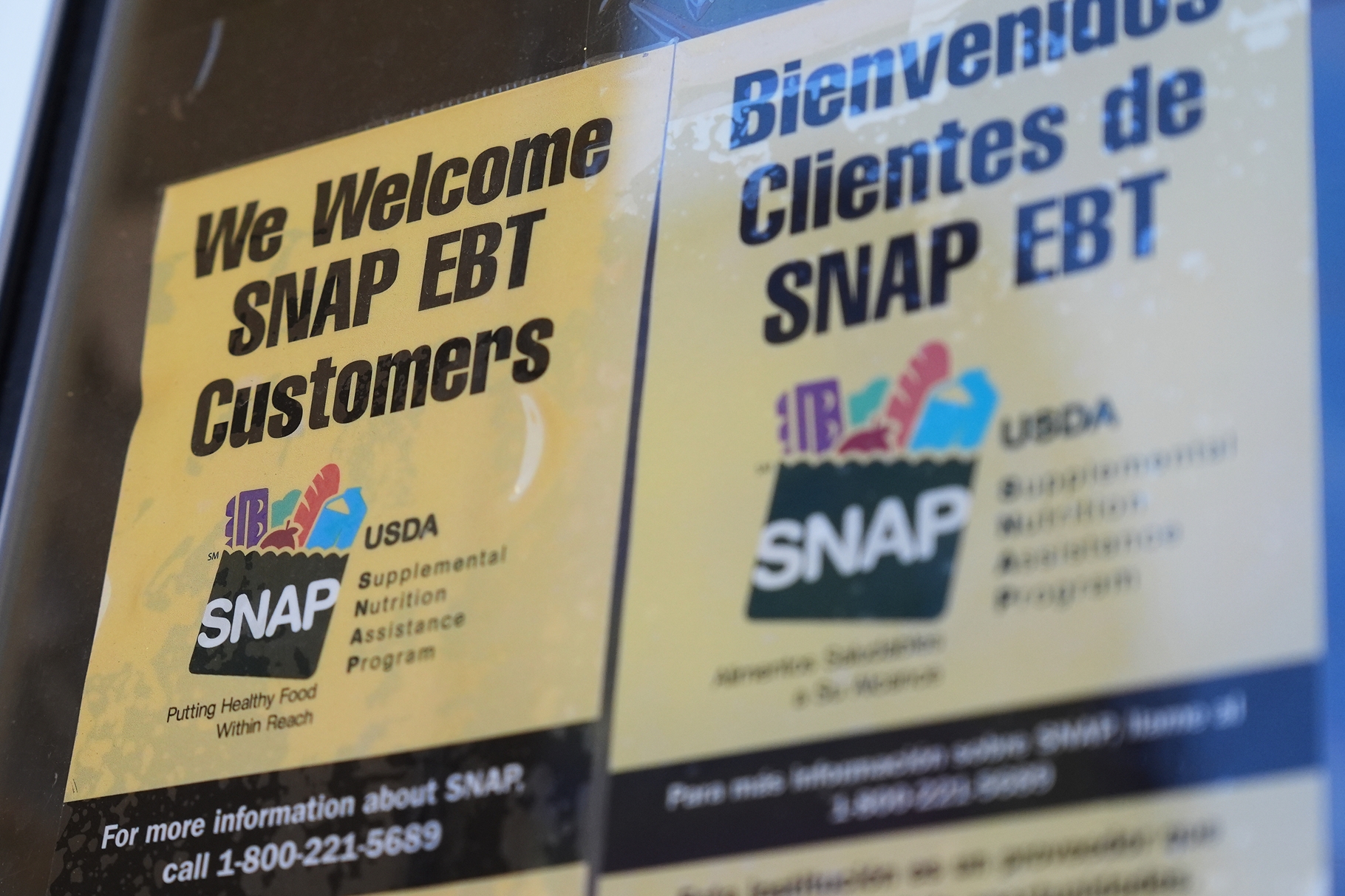
Restricting food assistance under new federal rules may endanger tens of thousands of New Yorkers and portends a more precarious future for the city’s most vulnerable.
On any given evening, nearly 1.5 million New Yorkers rely on a combination of paycheques and public assistance to secure dinner. SNAP—the Supplemental Nutrition Assistance Program, colloquially still called “food stamps”—is their lifeline. Now, recent reforms to that system may soon reverberate well beyond New York’s bodegas and pantries, with consequences both sobering and potentially mortal.
On March 1st, new federal tightened work requirements for SNAP quietly took effect. The changes, part of July 2025’s omnibus One Big Beautiful Bill Act, are sweeping in scope. Adults aged 18 to 64 with no dependent children must now document 80 hours a month of work, training, or volunteering to stay eligible. Parental exemptions have been pared back, with those caring for offspring over 14 no longer excused. Likewise, older adults aged up to 64—15 more years than previously—have lost their protections, as have veterans and homeless individuals.
New York City is bracing for impact. Around 1.7 million city residents—many on the edge of poverty—draw on SNAP monthly. City agencies estimate that upwards of 130,000 New Yorkers, from cash-strapped mothers in Flatbush to seniors in the South Bronx, could lose benefits if they stumble over these stricter rules. It is not only food pantries but also hospitals and homeless shelters that will feel the immediate strain.
The Congressional Budget Office projects 2.4 million people could lose SNAP every month nationwide under the changes. Modelling released by the Center for American Progress, a think-tank, ventures further: nearly 70,000 unnecessary deaths could result by 2040, many stemming from hunger-related afflictions exacerbated by lost access to groceries. The numbers, if paltry compared to America’s population of 335 million, are not abstract. For urban populations with scant savings and chronic health burdens, even small cuts can have an outsized effect.
For New Yorkers, the health implications are not merely rhetorical. Research by the city’s Health Department, echoed by the CAP analysis, links food insecurity to higher rates of diabetes, cardiovascular disease, and mental distress. Hospitals such as Bellevue and Mount Sinai already report surges in malnutrition diagnoses during periods of SNAP cuts or delays. The spectre of these outcomes escalating, with every dropped benefit card, is not easily dismissed.
New conditions are not just personal but fiscal. The law embeds a new punitive structure: Beginning in 2028, states with high SNAP payment-error rates must shoulder between 5% and 15% of the cost overruns. For New York, which already administers the programme under significant fiscal duress, that bodes ill. The city may face pressure either to narrow access further or to divert funds from other social services, a choice reminiscent of the harsh budget triage familiar to municipal bean-counters.
Politically, the new rules represent a bet by federal policymakers that stricter conditions will motivate work and trim federal outlays—currently $127 billion a year, with SNAP representing a chunky slice. Brooke Rollins, the agriculture secretary, defends the changes as restoring “focus” and “protecting assistance for those who truly need it.” The city’s advocates beg to differ. Local food banks, already beleaguered by pandemic-era demand, warn of an unmanageable influx. “We will see lines—long ones—outside our facilities again,” sighs the director of City Harvest, a major emergency-food provider.
A tightening safety net and its dangers
The transformation in America’s food-policy landscape is not strictly national. Europe’s social democracies provide an instructive, if imperfect, comparison. The United Kingdom’s 2012 benefit reforms, also designed to encourage labour-force participation, were linked by the British Medical Journal to excess deaths and a surge in food bank usage. In contrast, Germany’s more generous—and less conditional—welfare systems have kept food insecurity at bay, save during brief pandemic interruptions. For dense and diverse cities like New York, the lesson is uncomfortably clear: conditionality may economise public funds in the short term, but the costs reappear, multiplied, as charity shortfalls and hospital admissions.
Nor is this simply a contest of policy wonks. New York, as ever, remains on the front lines of America’s experiments with poverty. Appetite, not for reform but for actual food, has a way of shaping city life. When SNAP’s predecessor programme was pared back in the 1990s, bread lines and rates of child stunting crept upward. The worry, now, is of a slow return to those meaner streets, as anti-poverty workers and ER doctors are left to pick up the slack from Washington.
Against this backdrop, the case for the rule changes looks, at best, tepid. Studies tend to show that most working-age SNAP recipients already have jobs or face structural barriers: disability, age discrimination, or incomplete education. Cutting them off, as New York’s own Human Resources Administration notes, does little to foster gainful work. Instead, it risks tethering social mobility more tightly to family background and sheer luck, a less than buoyant prognosis for a city that once prided itself on upward mobility.
Still, pressure for federal thrift is real. America is saddled with a $34 trillion national debt, and the SNAP increase since 2020 has not gone unnoticed. Yet targeting the poor has always been the least elegant means of closing budget gaps. The risk is not excess dependence, but excess cost-shifting—to city hospitals, shelters, and charities unprepared for a deluge.
The United States’ latest turn in social policy asks New York, and cities like it, to do more with less. Such reforms are unlikely to eliminate hunger or to encourage widespread, stable employment. Rather, they may simply move the hardship downstream, out of federal ledgers and into the city’s emergency rooms and synagogues, soup kitchens and slum apartments.
New York’s history, rich with immigrant striving and makeshift plenty, is built upon safety nets both public and private. If those nets erode, something more than calories will be lost. The city’s vibrancy, and its vaunted resilience, rely on a baseline of decency that every downturn threatens to fray. On the evidence, the latest SNAP rules risk making that baseline punier still.
■
Based on reporting from El Diario NY; additional analysis and context by Borough Brief.