SNAP Rolls Drop by 4 Million After OBBBA Rules Tighten, Few Signs of Fraud Found
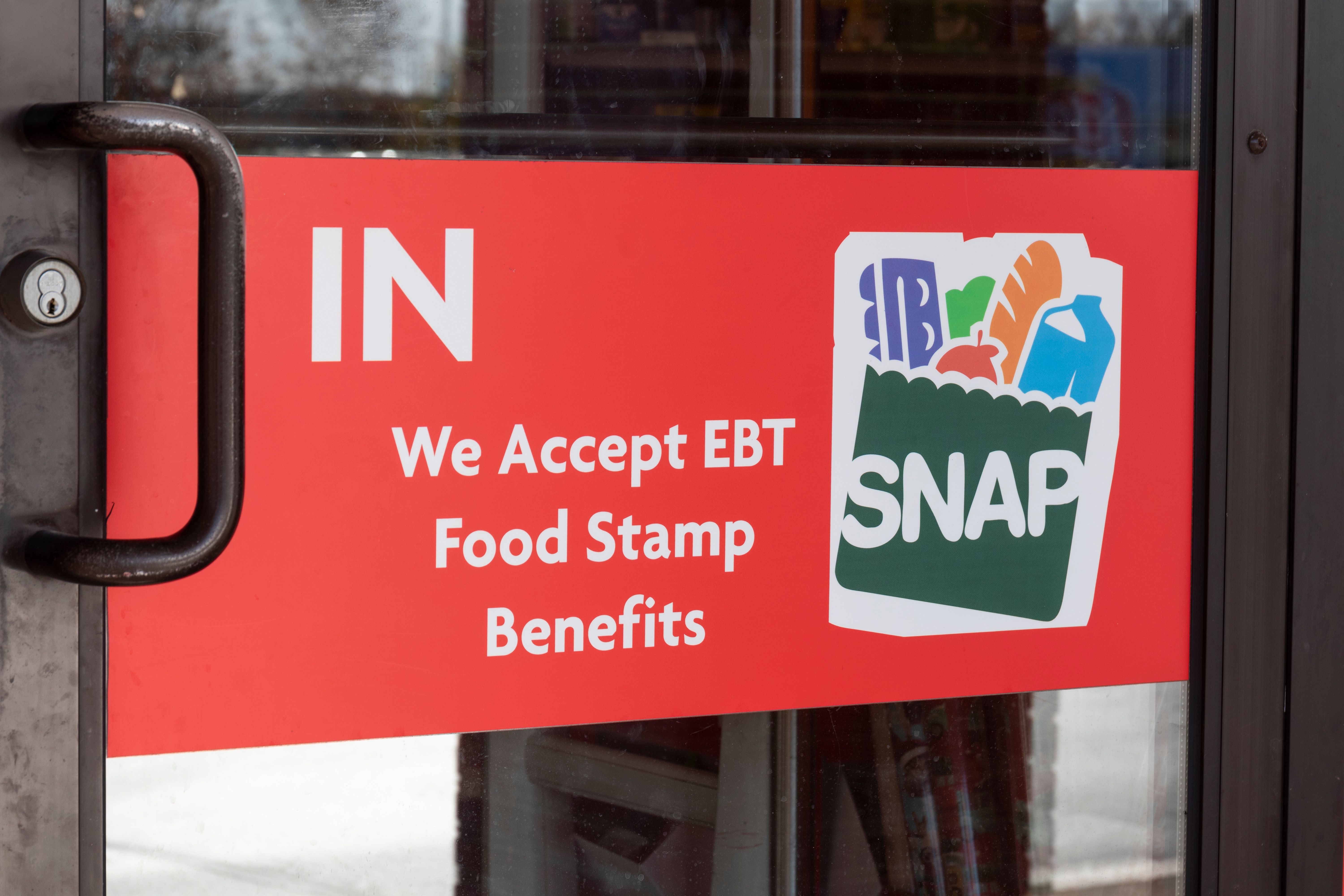
Sweeping reforms to America’s food aid programme are reshaping the social safety net in cities like New York, with ramifications well beyond the checkout aisle.
Four-point-two million: that is the estimated number of Americans who lost access to food assistance benefits in the year following Washington’s reform of SNAP, the federal Supplemental Nutrition Assistance Program, better known as food stamps. In cities such as New York, where nearly 1.7 million residents once received SNAP benefits, the impact has been both abrupt and deeply felt.
The catalyst for this contraction was the One Big Beautiful Bill Act (OBBBA), signed in July 2025. The law’s architects—Republicans and a few deficit-minded Democrats—hailed the amendments as a necessary step toward restoring fiscal discipline and combating perceived abuses of welfare. Expanded work requirements and tighter eligibility rules would, they argued, nudge able-bodied adults back into the workforce and reduce government dependence.
From January 2025 to January 2026, the aggregate SNAP rolls shrank from 42.8m to under 38.6m nationwide, the steepest annual drop in over two decades. The most precipitous declines came after the November 1st, 2025 deadline, when states were compelled to enforce the new requirements without exception. That month alone, over a million beneficiaries fell from the rolls.
Much of this reduction, state officials report, resulted not from fattened paychecks or new jobs, but from a mix of administrative snags and narrowing eligibility. Former recipients—many, paradoxically, among the city’s “working poor”—found themselves cut off for failing to navigate a thicket of recertification paperwork or missing appointments by mere days. The changes affected nearly every borough, but hit the Bronx and parts of Brooklyn especially hard.
At household level, the consequences are palatable in the most literal sense. For a city in which grocery inflation has outpaced the national average, the subtraction of even $250 per month (the average SNAP allotment per household in New York) immediately pinched family budgets. Food pantries report marked upticks in demand: City Harvest, an established food rescue nonprofit, witnessed a 22% jump in new visitors by January 2026.
Neighbourhood groceries and bodegas—many of them immigrant-owned—rely disproportionately on SNAP-spending. Reforms thus threaten small corner shops with lower sales and, at times, outright closure. The Center for an Urban Future, a think-tank, estimates that every SNAP dollar generates $1.50 in local economic activity; multiplying these lost benefits bodes ill for an already tepid retail environment.
Critics point to another, more subtle danger: a shift not just in food quality but in social cohesion. While policymakers extol the virtues of “workfare,” data compiled by the Congressional Budget Office suggests that many disqualified individuals are not unemployment dodgers, but adults struggling with irregular jobs, family obligations, or the Kafkaesque maze of public administration. Notably, OBBBA rolled back select carve-outs for groups once shielded from strictures—not only adults up to age 64, but also parents with teenagers, veterans, and some legal immigrants.
Fewer benefits, more frictions
This transformation of public aid comes as inequality remains stubbornly high in New York and likeminded metropolises. From wage data to homelessness, the city flexes familiar contradictions: GDP per capita near Swiss levels, yet food insecurity up 6% year-on-year, per Food Bank for New York City. For those stranded between meagre work income and government gatekeeping, the off-ramp from poverty grows bumpier.
Nor have city or state politicians found much room to manoeuvre. New York’s own emergency food budget, once a paltry $65m annually, cannot substitute for lost federal billions. Local officials chafe at their limited options: “We’ve seen more New Yorkers turning to us for support, but our hands are tied,” admitted the city’s Commissioner of Social Services in December.
Nationally, the cutback is hardly unique. Britain’s “universal credit” reforms offer a cautionary parallel, with research showing persistent hardship and higher food bank usage among those left behind. In France, attempts to strengthen work requirements faced legal reversal after protest. America, always more sanguine about labour-market discipline, barrels ahead.
Defenders of the OBBBA reforms point to potential long-term benefits: lower outlays, a nudge toward honest work, and a trimmed back welfare state better aligned with American values of self-reliance. Yet the evidence remains ambiguous. A 2018 study by the Urban Institute found expanded work mandates in Kansas and Maine yielded lacklustre employment gains, with increased hardship their most clear-cut legacy. Early signs from the 2025-26 New York case look premonitory, not an outlier.
Ultimately, the latest contraction of SNAP rolls in New York City limns a broader national debate: Should the state’s safety net be a springboard, a hammock, or a sieve? In our view, the abruptness and ambition of OBBBA’s rules outstrip the evidence for their efficacy. Policies that patrol the margins of eligibility with ever-greater fervour too often punish precisely those the safety net was designed to protect—asserting discipline, perhaps, at the expense of dignity. New York’s granaries and bodegas now bear witness to the experiment.
For now, the city scrambles to plug gaps left by federal policy, while civic groups protest and policymakers quarrel over the right blend of carrot and stick. If recent numbers portend the new normal, America’s urban poor may find themselves steadily eked off public rolls—out of sight, if not out of want. ■
Based on reporting from El Diario NY; additional analysis and context by Borough Brief.