SBA Cuts Green Card Holders From Loans, Squeezing Queens and Harlem’s Immigrant Shops Anew
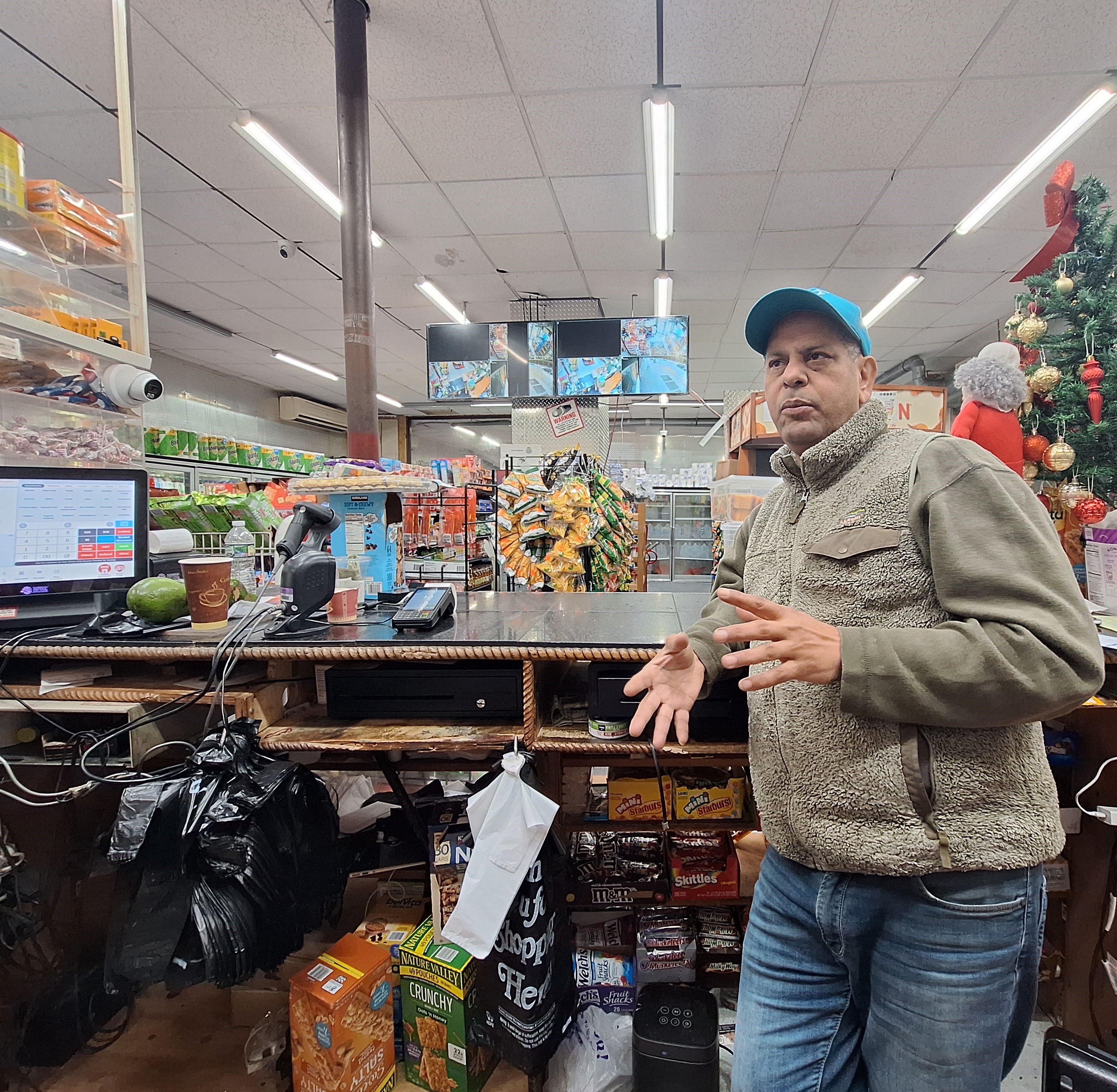
The sudden denial of federal loans to thousands of immigrant-owned small businesses in New York City threatens not only livelihoods but also the city’s vaunted dynamism.
In the swirling bustle of the city’s bodegas, delis, and nail salons, a quiet drama is unfolding. This March, thousands of small businesses—many helmed by immigrants—found that a lifeline had abruptly vanished. For the first time in its history, the federal Small Business Administration (SBA) has closed the door on legal permanent residents (“green card” holders) seeking government-backed loans, a move that risks upending the entrepreneurial calculus of New York City.
The SBA’s 7(a) and 504 loans, long a pillar for would-be shop owners seeking to expand or merely survive, are now off-limits to any business whose principal owner holds only a green card. Gone is the soft credit that greased the city’s economic gears, enabling waves of newcomers from Flushing to Flatbush to open and sustain the very shops that give neighbourhoods their character. The effect, business leaders warn, will be swift and punishing.
Frank García, who chairs the Coalition Multicultural de Pequeños Negocios de Nueva York, is blunt: “Esto va a destruir a miles de pequeños negocios…”. In the trade group’s tally, between 50% and 60% of New York’s small business owners are legal residents rather than citizens. Among Latino entrepreneurs—who own as many as 12,000 bodegas across the city—the share with green cards reaches a whopping 70%. From Queens to Harlem, the impact will be neither accidental nor isolated.
The immediate implications for the city are sobering. Official figures suggest that nearly half of all small-business owners in New York are immigrants or first-generation Americans. These owners are not, as politicians sometimes allege, bit players or marginal actors; rather, they are central to neighbourhood economies and employment. Restaurants, delis, hair salons, and grocery stores—the backbone of many communities—now face credit drought at the very moment when inflation, crime, and higher commercial rent already hammer margins.
To some, the timing borders on perverse. City Hall, led by a cash-strapped mayor, is mulling higher property taxes for commercial spaces. Small business associations, previously atomised by language and borough, are rapidly closing ranks; more than fifty chambers of commerce began fusing into a new bloc even before this SBA policy debut. Their initial goal—to resist tax hikes—now seems secondary to the existential threat posed by federal loan exclusion.
Knock-on effects go far beyond mom-and-pop shops. In New York’s baroque business ecosystem, immigrant founders historically drive innovation in retail, cuisine, and personal services. By removing thousands from the pipeline of creditworthy owners, the policy could stifle future growth, stall job creation, and blunt the city’s reputation as a magnet for hustling self-starters. In the long run, one can expect fewer new concepts, less competition, and diminished vibrancy on the city’s commercial thoroughfares.
To be clear, government-backed loans represent only one source of capital. But for many with modest assets, SBA guarantees are often the difference between expansion and insolvency; private banks treat new arrivals with habitual wariness. The move risks rippling into the private sector, prompting lenders to grow even more risk averse, especially if federal guidelines are viewed as a bellwether of future regulatory hostility.
The city’s economic health, still brittle from the pandemic’s aftershocks, can ill afford such drags. Small businesses, many powered by immigrants, employ more than half of New Yorkers. A credit crunch hitting this backbone could sap both job growth and sales tax receipts, even as public budgets come under strain. The logic of targeting this cohort, in a city that requires immigrants’ energy as much as ever, is opaque.
One plausible motivation lies far from New York—in Washington, where the politics of immigration is as fractious as ever. Risk-averse bureaucrats may reckon that tighter loan eligibility will help allay nativist pressure ahead of a noisy election cycle. If so, the calculus prioritises optics over outcomes, trading future city innovation for short-term calm in the Midwest and Sun Belt.
Who gets to build America’s future?
Globally, too, the move sits uneasily with well-touted American traditions. Cities from London to Toronto compete to attract entrepreneurial newcomers, dangling easy credit and simplified permits. New York, by contrast, now tells legal residents—many of whom pay taxes and employ locals—that they are not quite trusted. Such policies bode ill for the city’s efforts to stay at the head of the world’s urban pack.
The episode is also a telling reminder of how changes in the federal regulatory machinery can reverberate through complex urban networks. Washington’s pen has slashed a critical artery of New York’s economic circulation. And in a metropolis where business and legal status rarely align, the line between stability and vulnerability suddenly looks thin indeed.
As city leaders court Governor Kathy Hochul and other Albany power brokers for relief, much rides on political will. Restoring access to federal loans for permanent residents—who, it should be stressed, have surmounted formidable legal hurdles—would not be a radical panacea. But it would reaffirm the city’s pragmatic faith in those willing to risk savings, sleep, and status on a storefront dream.
Data speaks for itself: immigrant businesses are not a side story—they are the main story of New York’s commercial life. Saluting their role with credits and praise, while denying them access to the loans that keep them afloat, is an exercise in feeble symbolism. Such policies may prove penny-wise in the near term but are surely pound-foolish, risking the staid homogeneity that rivals so often deride.
For a city that likes to pride itself on openness, now is the hour to put balance-sheet values ahead of short-term politics. Bureaucrats have shuttered a door that ought to remain wide open. In New York as elsewhere, the dynamism of the city depends, yet again, on whether it welcomes those who are still building it. ■
Based on reporting from El Diario NY; additional analysis and context by Borough Brief.