Queens Hosts City’s ‘Rental Ripoff’ Hearings as Tenant Complaints Shape Mamdani Housing Plan
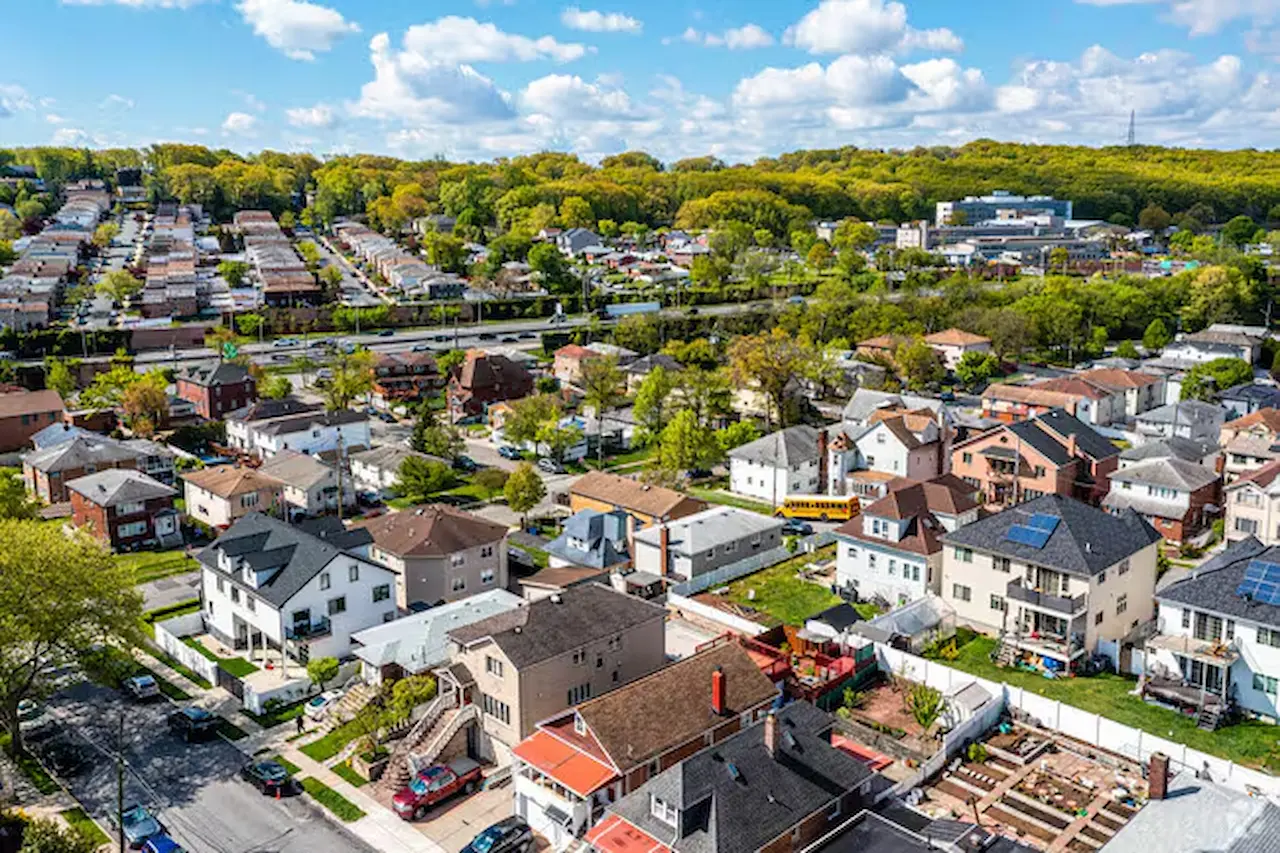
New York’s crowded rental-housing misery is on display as city officials hear tenants’ woes, highlighting the stakes in the coming battle over Mayor Mamdani’s housing strategy.
When 200 aggrieved New Yorkers queue for hours just to vent about their leaky ceilings and winter chills, something is askew in the city’s housing machinery. Last week, the community centre in Brooklyn’s Sunset Park was as packed as a hot subway car at rush hour, as tenants regaled city officials with saga after saga of malfunctioning boilers, absent landlords, and stewing resentment. This Thursday in Queens, ordinary residents will again face the city’s policymakers—and bureaucratic clipboard—attempting to render decades of landlord neglect audible to those in power.
These are the latest in a new series of “Rental Ripoff” hearings, launched by the fledgling Mamdani administration. The events mark a gamble by City Hall to bring sunlight to the city’s battered rental sector ahead of the mayor’s long-promised housing overhaul. Thursday’s two evening sessions in Long Island City filled up swiftly; City Hall says attendance—unlike repairs—has not been in short supply.
Still, there has been grumbling from housing advocates that hearings like these risk excluding some of the city’s most vulnerable: tenants in New York City Housing Authority (NYCHA) estates, whose struggles with rats and mould are as legendary as their patience. Officials insist the process is open to all, and that written testimony submitted online carries equal weight as tales delivered in person. A further three hearings are scheduled in the Bronx, East Harlem, and Staten Island in the coming weeks, and the city is soliciting resident complaints at “nyc.gov/RentalRipoff.”
If the city’s intentions are clear—solicit, collate, and, in theory, rectify—the outcomes are less so. The testimony gathered is to inform Mayor Zohran Mamdani’s long-awaited housing plan. Rumour suggests the final policy could land later this spring and that the hearings are meant as a data tourniquet, slowing the haemorrhage of bad press and tenant fury that has dogged successive administrations.
New York’s rental market is at once both a colossal enterprise and, lately, a byword for urban frustration. Nearly 70% of all city residents rent their homes. In many precincts, median monthly rents have surged beyond $4,000—a punishing sum in a city where average incomes have barely budged and the supply of available units remains paltry. Unscrupulous landlords, enforcement bottlenecks, and Byzantine codes all conspire to leave tenants feeling both overcharged and under-served.
For neighbourhoods in Queens, Brooklyn, and the Bronx—where gentrification, population churn, and pandemic migration have changed the texture of the rental landscape—the hearings portend more than just catharsis. Many believe city officials are using public testimony not only to surface anecdotes but to build the political will needed for controversial reforms. Tenant groups increasingly demand stricter enforcement, stiff fines for repeat violators, and expansions of rent regulation and legal aid.
Meanwhile, New York’s rental malaise spills into broader spheres. Businesses fret as rising housing costs dent the city’s allure to newcomers. Chronic disrepair hollows out schools, erodes stability, and amplifies health inequalities. Politicians, keenly aware of November’s looming local elections, are eager to shore up their tenancy credentials—or at least share the blame with recalcitrant state lawmakers.
There are precedents elsewhere. Boston and Los Angeles have experimented with tenant complaint hearings, yielding a mix of short-lived reforms and shrugs from landlords. Yet, New York’s scale—and the visibility of its public crises—renders this experiment a national bellwether. The city’s rental woes mirror those of global cities everywhere: spiralling rents, anaemic construction, and a regulatory framework both cumbersome and inadequate.
The real challenge is less in hearing complaints and more in fixing them. Enforcement agencies such as the Department of Housing Preservation and Development face long backlogs and limited legal firepower. Many of the city’s worst buildings are owned by faceless shell companies, inscrutable even to motivated inspectors. Even when rules are tightened, unscrupulous property owners often find clever evasions.
From grievance to policy, the rocky road ahead
The Mamdani administration, propelled to power in part by its energetic courting of activists and tenant groups, now faces a classic New York test: can grass-roots outrage be transformed into real regulatory impact? The mayor’s housing blueprint is expected to feature tougher penalties for code violations, a simplified complaint process, and modest expansions of so-called “right to counsel” programmes for at-risk tenants. But entrenched landlord interests, budget shortfalls, and an antagonistic state legislature may conspire to water down even these efforts.
Expectations among renters are buoyant but brittle. Previous mayors have promised “wars” on bad landlords, legions of inspectors, and accountability “at last”—usually only to see the rot return. Absent a sharp increase in funding, or reforms to state-level rent law, the effect of these hearings may be largely symbolic.
It is tempting to see the hearings as the city’s latest exercise in participatory consultation: more spectacle than solution. Yet, there is some merit in letting sunlight seep into the city’s murkiest rental corners. Public testimony, even if only partially translated into policy, at least exposes the worst abuses to wider scrutiny.
Meanwhile, the risk is that expectations will outstrip results. Tenants, emboldened by their own stories, may expect swift resolution to problems that have simmered since the days of rent strikes and rent control. The realpolitik of city governance—complete with recalcitrant property owners, legalistic delays and state meddling—will almost certainly impose a less satisfying pace.
Yet there are grounds for sceptical optimism. Public agitation, once kindled, can be politically contagious—a lesson not lost on officials fixated on re-election. Transparent data collection, open forums, and louder tenant representation could, at the least, shame some landlords into begrudging compliance.
For now, New York’s rental agony endures. The city’s latest round of tenant hearings may portend regulatory tweaks and generate a modest, if overdue, reckoning with avoidant landlords. But unless policymakers translate stories into action—and free up the resources to act boldly—the chorus of complaints is more likely to grow than to fade. ■
Based on reporting from NYC Headlines | Spectrum News NY1; additional analysis and context by Borough Brief.