Queens Auto Shop Lot May Trade Wrenches for 119 Apartments Near Flushing Meadows
As Queens wrestles with its chronic housing shortage, a modestly ambitious development proposal in Corona reveals both the promise and the politics of rezoning in New York City’s outer boroughs.
The auto shops lining 108th Street in Corona, Queens—greasy enclaves for battered sedans and booming bachata—may soon give way to a 13-story symbol of urban reinvention. A proposal filed by Apex Development Group and Kevin Guo, local fixture and regional upstart respectively, seeks to replace a used car lot and several auto repair businesses at 47-03 108th St. with a 119-unit residential building, capped with retail and community space. The scheme joins the growing parade of rezoning applications crawling through the Department of City Planning, and may yet encapsulate the city’s hopes and hassles in densifying its fast-growing neighbourhoods.
The project’s ambitions are at once grander and more measured than recent city megaprojects. On a narrow, 20,000-square-foot site sitting a block from Flushing Meadows Corona Park and the Queens Museum, Apex and partners would break ground on a 145-foot edifice—triple the maximum currently allowed by local zoning. Of the planned 119 apartments, 30% (roughly 36 units) are promised as permanently affordable for families earning up to 60% of the area median income, or $87,480 for a three-person household. Ground-level shops and 18,000 square feet of dedicated community space—including an indoor soccer center and an adult day care facility—round out the venture, along with 45 underground parking spaces to soften neighbourhood resistance.
Much depends on the shifting currents of the city’s labyrinthine rezoning process. Mr. Esposito, Apex’s founder, says the mandatory public review—and the political dance it entails—should begin in January, likely lasting at least seven months. If approved, the $80 million project would represent a significant investment for this corridor of Corona, long hemmed in by low-rise buildings and a rigid zoning regime. It would also mark a further foray by Apex into what might be called “middle-density” infill, rather than the glassy towers punctuating Long Island City or Williamsburg.
For Queens, a borough perennially short on housing, the news is bracing. The population of Community District 4, which includes Corona, has surged by over 15% since 2000. Yet the city’s housing supply has not kept up: vacancy rates remain below 2%, and the borough’s growing Latino and Asian populations are increasingly priced out, pushing overcrowding to new heights. Advocacy groups and City Hall alike have long called for upzoning corridors near parks and transit—but rarely does such rhetoric translate swiftly into action.
The inclusion of affordable, income-restricted homes—permanently, no less—meets city targets and offers a modest but material benefit for local families battered by citywide rent spikes. Likewise, the commitment to devote more than a seventh of total floor area to community services, not just retail, will placate some of the standard gripes from neighbourhood associations fearing displacement or character loss. The indoor soccer centre, to be operated by a local non-profit, nods to Corona’s reputation as a working-class, football-mad “Little Colombia” and could become a discreet anchor for community life.
The proposed project thus embodies an emerging playbook: knit together mixed-income housing, public facilities, and commercial space on underused parcels, lasso public support, and hope for a smoother passage through City Planning. Whether this strategy bears fruit will depend largely on the mysterious alchemy of local power—community board buy-in, support (or opposition) from Council Member Francisco Moya, and the administration’s appetite for a fight. Elections and local sensibilities, as every New York developer knows, can easily derail even puny projects.
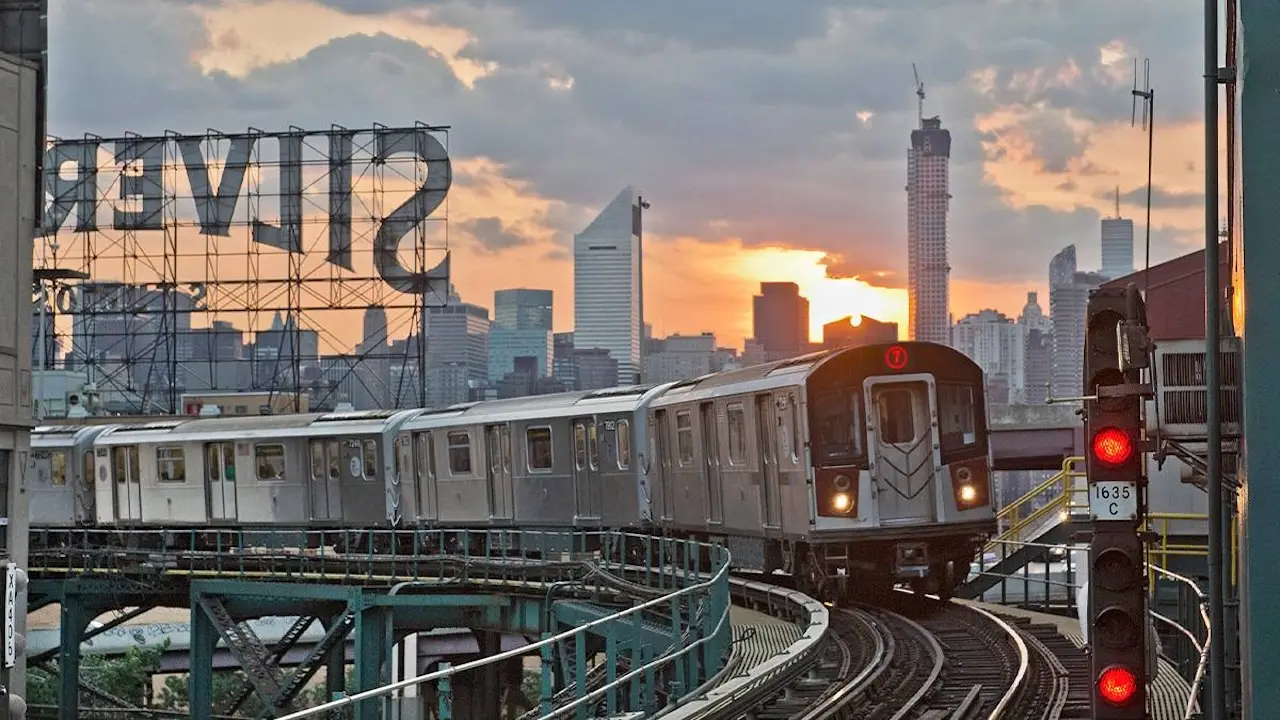
Swift progress is hardly assured. Zoning changes in outer boroughs routinely attract vociferous comment: fears about parking, shadow-casting, and rents outpacing incomes tend to dominate public hearings. The multifaceted nature of this bid—housing, retail, community space, and a dash of transit-adjacent living (the 7 train glides nearby)—may prove a winning formula, but past precedent invites scepticism. Similar deals in Brooklyn’s Bushwick and the South Bronx have unraveled on the shoals of local distrust.
Rezoning in New York: promise and peril
New York’s municipal government has in recent years made increasingly confident noises about the need for more development—particularly after the defeat of more ambitious rezonings, such as the infamous debacle over Industry City, Brooklyn, in 2020. The Adams administration, chasing a plan to build or preserve 500,000 homes over the next decade, has cheered on “responsible density” in well-served neighbourhoods. This application, though modest by Manhattan standards, is hefty by Corona’s.
Viewed through a national lens, New York’s fitful advances toward “YIMBYism” (Yes In My Backyard) lag behind upstart peers. Cities from Minneapolis to Arlington have begun to scrap zoning strictures, routinely approving multi-family or “missing middle” housing. New York’s intricate land-use review and entrenched hyperlocal fiefdoms still throttle the city’s ability to respond nimbly to demand. The Queens site—purchased for $8.5 million back in 2019—could easily have fallen victim to speculative inertia rather than become a test case for cautious upzoning.
For developers, the economics remain fraught. The $80 million bill is high, especially for mid-sized private operators not shielded by REIT largesse or foreign capital. Construction costs in New York remain among the steepest in the country; the city’s notorious delays and permitting hurdles pile on. Apex and partners do appear well-practiced in threading these bureaucratic needles: recent plays include school redevelopments and another rezoning in Elmhurst. Their locally rooted presence, rather than an out-of-town titan, may also mollify some sceptics.
In global terms, New York’s extremes—paltry vacancy rates, pent-up demand, byzantine rezoning—are hardly unique. But the city’s outsized politics often make even unremarkable infill feel momentous. Were all such auto shop parcels to be similarly redeveloped, they might begin—slowly, painfully—to bend the city’s puny housing curve upward.
We reckon that the Apex proposal is neither a panacea nor a portent of gentrification run amok. Instead, it sketches a promising, incremental answer to New York’s housing woes: mid-rise, mixed-use, unflashy, quietly responsive to the real needs of working families. The proof, as ever, will lie in the regulatory pudding—and the patience of a city that hungers for more than just grand designs.
■
Based on reporting from Section Page News - Crain's New York Business; additional analysis and context by Borough Brief.