NYC Drops School Zone Speed Limits to 15 MPH Citywide as Data Finally Gets the Wheel
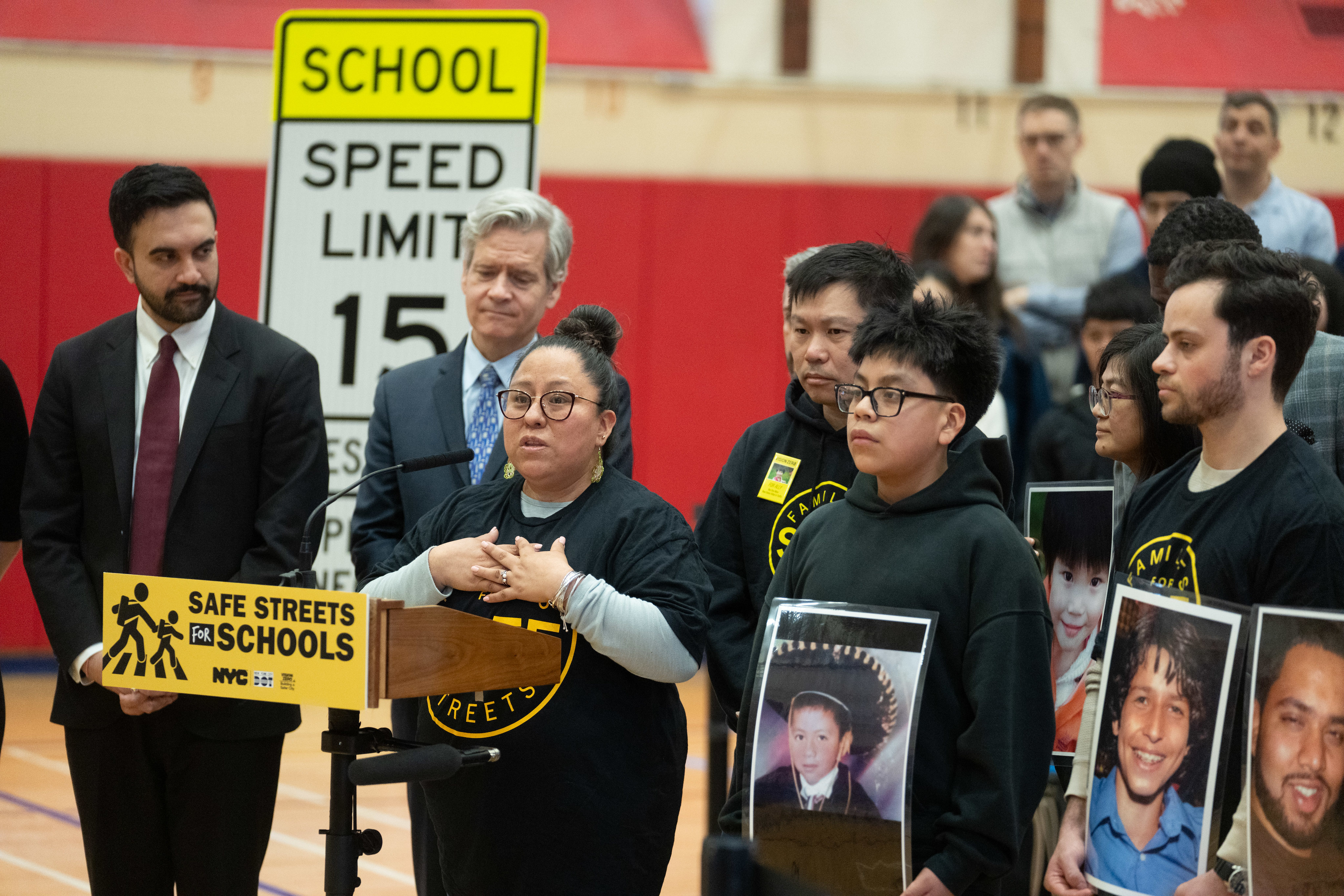
Lower school-zone speed limits in New York City aim to prevent tragedy but will test the city’s patience and policing alike.
Grim fatality data, defiant drivers and mounting grief propelled City Hall to act: this week, Mayor Zohran Mamdani announced New York would lower speed limits to 15 miles per hour near some 800 school zones. The change, to be in place by 2026, extends and intensifies the so-called “Sammy’s Law” even as New York’s streets remain among the country’s most congested and combative. Parents and advocates, desperate for reassurances after years of high-profile pedestrian deaths, say the measure portends a new era of caution for the city’s youngest on their daily trek to class.
The mayor’s plan covers public, private and charter schools alike. If successful, the programme’s footprint will double—by mandate’s end, 2,300 school-zone “slow zones” could encircle the city’s 3,200 schools. The current pace is brisk: limits have already dropped to 15mph around 700 sites (down from the previous 20) and another 100 zones will soon see their limit fall by ten miles per hour. The Department of Transportation, whose commissioner, Mike Flynn, cheered the initiative, describes this fiddling with speed as evidence-based, and “Vision Zero” in spirit—playing to an international refrain: slower streets, safer streets.
Most New Yorkers, especially families, will likely greet the news with relief. Drivers passing city campuses—where children dart unpredictably and distracted parents cluster at curbs—routinely breach posted limits. Each year, over a hundred pedestrians die in the city, many children. It is not the raw number but the circumstance—fatalities metres from a school, one minute after the bell—that has kept the issue atop the public agenda.
The first-order implication is clear enough: if enforced, a 15mph limit will almost certainly shrink the zone of carnage. The city has data to support the gambit; even a modest reduction in speed can halve pedestrian fatality risk. But policy is easier to announce than to enforce, especially in a city awash in over 3 million registered vehicles, a police department stretched thin, and a public with a mixed record for obeying even the most sensible rules.
There are, of course, second-order effects for New York. Commerce might groan, however faintly, if traffic slows at hundreds more intersections, and New Yorkers—rarely famed for patience—may bridle at new congestion. Yet most schools are not on major thoroughfares; a minute lost to vigilance seems a paltry price for peace of mind. For the city’s politics, the move carries less risk than it would elsewhere. Safety for children is good copy, and even car owners grumble but comply if enforcement is fair and penalties bite.
Beneath the headlines, the economics of urban transit shade the picture. Lower speeds may indirectly encourage more parents to let children walk, cycle, or scoot, rather than drive them to the door—unclogging school drop-off lanes and trimming greenhouse emissions. Fewer severe crashes mean less strain on hospitals and insurance, and lower public costs from lawsuits and disabilities. It is a small but cumulative nudge towards livability.
Comparison with other metropolises suggests New York’s efforts are hardly radical. London, Paris, and Berlin already sport wide networks of school slow-zones, often set at 20kph (a snail’s pace by Manhattan standards). Stockholm, Jerusalem, and Tokyo follow suit. Some cities have seen fatalities plummet; others less so, usually reflecting differences in enforcement, street design, and urban discipline. New York’s scale—and its infamous street culture—make forecasts treacherous, but the imperative remains: nowhere are parents less distressed by a missed meeting than by a missed child.
Can the city enforce caution as well as it legislates it?
Implementation, as ever, is likely to prove the truer test. Skeptics note that speed limits without persistent policing and technological nudges—traffic cameras, flashing signs, sharper curbs—are little more than well-placed reminders to scofflaws. New York’s automated speed-camera programme, expanded in recent years, promises some hope; tickets are issued by the tens of thousands, though their deterrence depends on timely collection and harsh penalties. Cynics warn drivers will simply accelerate after the flashing lights, or, more simply, ignore the rule.
A further wrinkle: some neighbourhoods with high rates of pedestrian injury, often in poorer precincts of the Bronx, Queens or Brooklyn, are also those most likely to be under-policed or suffer from strained city relations. Here, speed reductions could either save vulnerable lives or—in the worst case—become another instance of selective enforcement.
Nor is this a costless fix. Chronic traffic delays risk fuelling road rage, and speed humps or curb extensions (favoured by safety engineers) are not without fiscal or political cost. Delivery lorries and buses may grumble, as will those who eschew public transport in part because of unreliable journey times.
Yet the data trend is unmistakable. Where cities curb speed, especially at danger points, pedestrians’ odds improve dramatically. Children walking to school in Paris or Oslo are now far likelier to survive the trip than in Rome or Houston. New York, for all its squabbles, joins the ranks of cities that reject traffic fatalities as an unavoidable tax on urban living.
We reckon the shift, while overdue, is wise. Too many city policies pander to the worst drivers and treat their recklessness as a natural hazard, to be “mitigated” rather than prevented. That parents in the world’s economic engine fear the simple act of walking their children across the street indicts more than city traffic: it is a warning that the culture of American streets still prizes speed over safety. New York’s latest speed-limit gambit, if paired with genuine enforcement and periodic review, could offer a tonic rare enough to matter—one that costs little and saves much.
In the end, it is not speed, but its management, that marks successful cities. For New York, lowering the limits might finally elevate its schoolchildren’s safety above the unceasing hum of urban impatience. ■
Based on reporting from El Diario NY; additional analysis and context by Borough Brief.