New York’s Rent-Stabilized Buildings Teeter as Rising Costs Outpace Rents, Especially in the Bronx
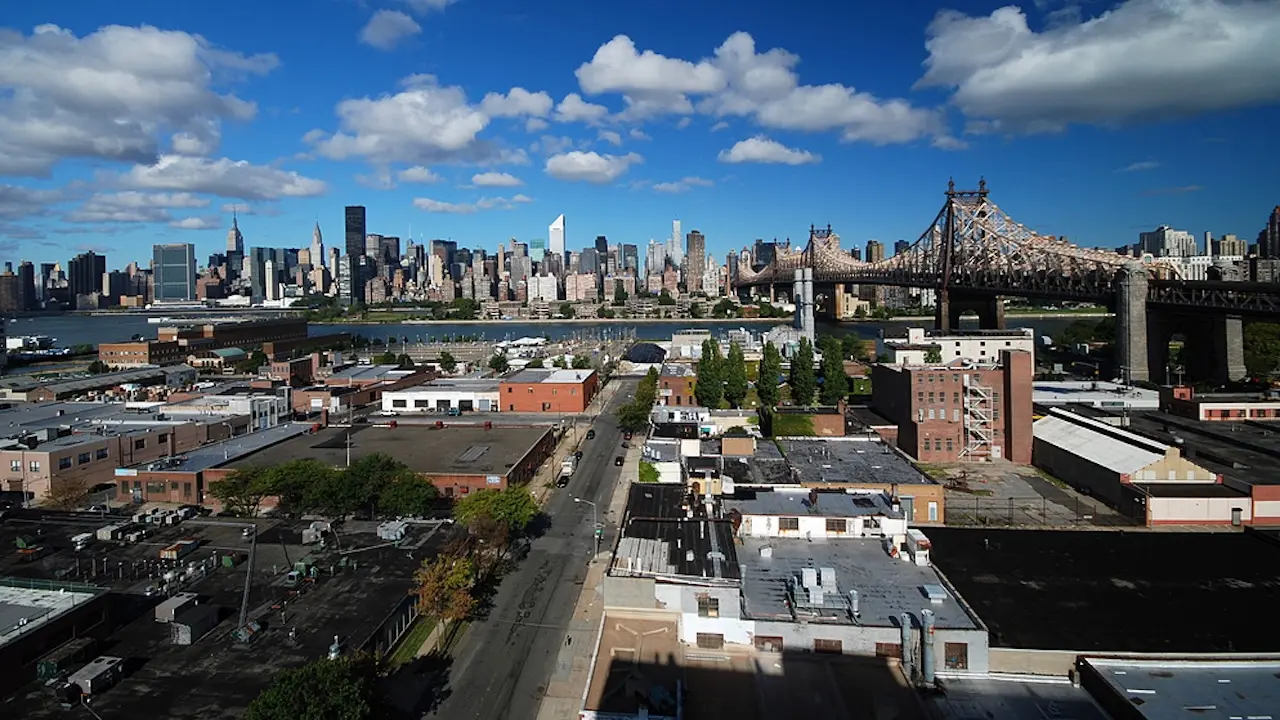
New York’s vast rent-stabilized housing stock, a cornerstone of affordability, now teeters as outdated regulations and rising costs threaten the lodgings of nearly a million residents.
On a wind-scoured February morning in the Bronx, it is not the cold that gnaws at residents of rent-stabilized buildings, but the palpable sense of neglect: peeling paint in hallways, unreliable boilers, and aging elevators. For the roughly 900,000 New Yorkers who call these decrepit apartments home, this decay is not merely aesthetic. It portends a deeper malaise in the city’s most important affordable housing sector—a system battered by rising costs and outdated regulation, with consequences poised to ricochet across the five boroughs.
At the heart of the current turmoil lies the city’s legacy rent-stabilized housing stock: more than 456,000 apartments, overwhelmingly in buildings erected before World War II and governed by the strictures of New York’s uniquely byzantine rent laws. According to the Furman Center at NYU, nearly a quarter of a million of these units are concentrated in the Bronx, a borough where median household income barely reaches $47,000. A further 213,000 rent-stabilized apartments are under threat in buildings subsidized with public funds, as reported by the New York Housing Conference (NYHC). Their warning, grounded in data, is simple: unchecked financial distress is pushing landlords toward mortgage defaults and threatens to unravel decades of gains in affordable housing preservation.
The causes are manifold and mutually reinforcing. Operating expenses have surged—spurred by higher insurance premiums, stricter safety codes, and an inflationary squeeze on utility bills—while legally capped rents have failed to keep pace. The 2019 Housing Stability and Tenant Protection Act (HSTPA) further tightened restrictions by limiting rent increases and making it harder for owners to recover the cost of capital improvements. The economics are puny: without the ability to raise rents or recoup investments, landlords of legacy buildings—especially those without subsidy lifelines—face serious questions about the sustainability of ongoing maintenance.
For tenants, the first-order implications are unambiguous. As financial distress mounts, so do code violations, emergency repairs, and lethargic building services. The city’s Department of Housing Preservation and Development logged a 15% increase in complaints from rent-stabilized buildings over the past year alone. The risk is not just that owners walk away, but that buildings enter a downward spiral of deferred maintenance, unsafe conditions, and, ultimately, potential abandonment.
Second-order effects now reverberate through the city’s economy and political sphere. Each distressed building imperils not only its residents but also the ecosystem of small contractors, local lenders, and community nonprofits long intertwined with the fortunes of New York’s working-class neighborhoods. Public funds are already stretched thin, with over $16 billion invested in preservation projects over the past two decades—funds now at risk unless fresh capital is injected, per NYHC’s recommendation for at least another $1 billion. Politically, the specter of vast housing deterioration undermines confidence in decades of progressive policymaking; both tenant advocates and property owners now question whether the regulatory settlement of 2019 has struck the wrong balance.
The city’s affordability crisis, already acute, threatens to deepen. For decades, rent-stabilized apartments have anchored the economic diversity that gives New York its social vibrancy and economic dynamism. If these units become uninhabitable, pressure will mount on the private and unsubsidized rental markets, driving up median rents and accelerating gentrification. The exodus of low- and moderate-income tenants would not merely fray the city’s social fabric, but also erase its claims to being a city of opportunity.
New York, of course, does not suffer alone. Older cities around the globe—from Berlin to Stockholm to San Francisco—face similar conundrums. The European model of “social housing” sometimes combines regulated rents with generous subsidy regimes, but often stumbles on the shoals of underinvestment. In Berlin, for instance, rent control measures sparked both tenant jubilation and an exodus of investment, leading to slower new construction and a shadow market for flats. New York’s predicament is more acute: its prewar buildings, privately owned and minimally subsidized, depend on an uneasy partnership between state regulation, city subsidy, and private capital—one now fraying at every seam.
A fraying patchwork of policy and practice
So what can be done? The NYHC and policy wonks at the Community Preservation Corporation point to a menu of prosaic yet essential remedies: introduce vacancy-reset mechanisms that allow modestly higher rents when units turn over; speed up the re-leasing of empty apartments by streamlining bureaucratic approvals; and mobilize new city and state funds to cushion the financial pain. Each proposal grates on some interest group—tenants fear unaffordability, while owners eye bankruptcy—but the stakes demand compromise.
Yet the current regulatory apparatus has demonstrated a penchant for inertia. The 2019 reforms, well intentioned though they were, ignored the basic arithmetic of building operations. Legislators sought to protect tenants; in the process, they produced straitened cash flows that hobble both owners and the city’s vast repair-and-maintenance workforce. The result is not social justice, but a creeping return to the bad old days of “managed decline”—a phrase that bodes ill for New York’s ambition to be a housing innovator.
To balance affordability with sustainability requires a more agile approach: means-tested supports for the poorest renters, paired with realistic rent resets and streamlined access to repair capital. Such measures may seem bland when compared to the rhetoric of housing “crises.” However, if policymakers continue to demur, private capital will continue to flee, and new housing will remain tepid at best.
We reckon that a cold-eyed pragmatism—less doctrinaire, more data-driven—could help thread the policy needle. Tenants, after all, care as much about working radiators as frozen rents. Landlords, for their part, would rather invest in buildings than default on loans. What is urgently needed is a renewed partnership—among government, lenders, and civil society—that can underpin both affordability and habitability.
If New York wants to avoid the fate of cities consigned to managed decay or social division, it must deploy more than pious intentions. A city famed for its resilience ought to exercise it now, before half a million rent-stabilized homes slip from lifeline to liability. ■
Based on reporting from City Limits; additional analysis and context by Borough Brief.