Mount Sinai and Anthem Stalemate Squeezes NYC Patients as Contracts, Costs Collide
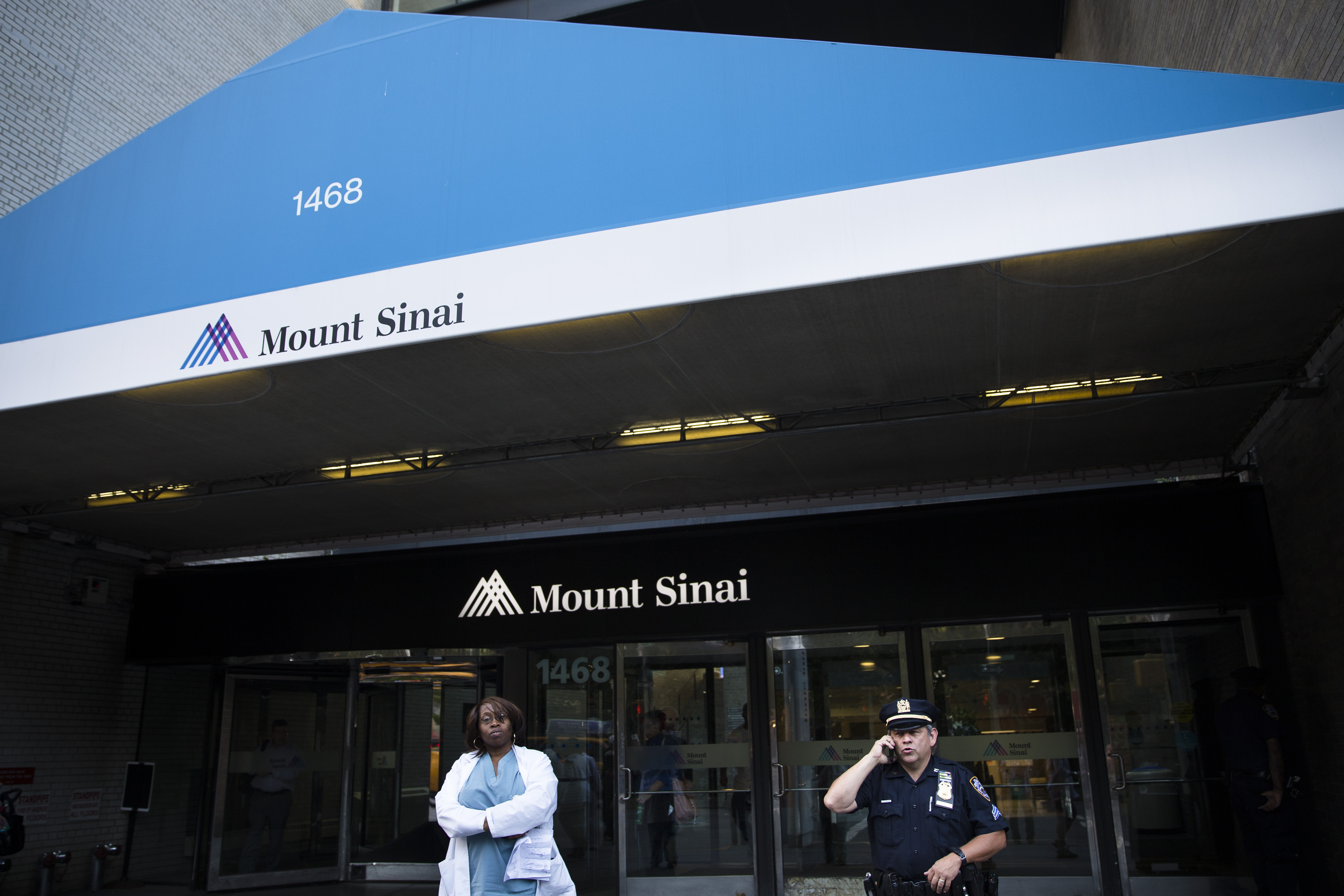
The impasse between a top hospital and a leading insurer illuminates the hidden costs and power clashes at the heart of New York’s health-care market—a burden ordinary New Yorkers are forced to shoulder.
New Yorkers may be inured to sudden changes, but few were prepared for the shock that greeted some patients last January. Overnight, Mount Sinai’s network of physicians—stretching from the Upper East Side to Brooklyn—vanished from the coverage lists of Anthem Blue Cross Blue Shield, one of the city’s biggest insurers. Like spectators expelled from an exclusive club, thousands of residents discovered their trusted doctors would, barring swift resolution, become prohibitively expensive or simply unavailable.
Such tussles may appear arcane, but their effects reverberate widely. At issue is a standoff between Mount Sinai Health System and Anthem over the fees Anthem pays the hospital group for treating its policyholders. Each side swiftly blamed the other for the contract’s collapse, leaving patients to navigate a thicket of conflicting announcements and rising bills. For weeks, Mount Sinai briefly declared its doctors to be back “in-network”—only to retract the statement, citing failed negotiations. Anthem responded in kind, feigning surprise and pointing a regulatory finger at the hospital.
At root, this is a dispute over money. Data released by watchdogs point to a striking fact: the four biggest hospital systems in New York typically extract between four and six times the rates that Medicare pays for identical services. As those systems expand—mounting gleaming towers and acquiring community practices—their leverage in contract talks grows. Meanwhile, insurers such as Anthem (a corporate sibling of Elevance Health) maintain that aggressive bargaining is their only defense to hold down premiums for employers and individuals alike.
Few customers care about the fine print of these agreements—until the ink runs dry. New Yorkers who have Anthem coverage through their jobs typically have no recourse but to endure higher out-of-network charges or hunt for new doctors elsewhere. Even for those who buy their coverage directly, the yearly “open enrollment” period, usually a two-week scramble in November, is their only realistic chance to switch plans. Stranded between insurer and provider, patients are marooned.
The knock-on effects ripple far beyond mere inconvenience. When doctors become “out-of-network” mid-year, patients with ongoing treatments—say, for cancer or pregnancy—face daunting choices: abandon trusted providers, risk staggering medical bills, or plead for temporary exceptions. Appeals processes exist but seem, by design or neglect, labyrinthine. The Community Service Society, an anti-poverty non-profit, notes that this asymmetry piles stress atop vulnerability, fomenting distrust in a system notorious for opacity and surprise charges.
Nor are the economic consequences trifling. Employers, who shell out large sums for employee coverage, see little refuge from annual premium increases—now running at roughly 8% in the New York metro area, outpacing inflation and wage growth. Hospitals, emboldened by consolidation, justify sky-high fees as necessary to fund uncompensated care, research, and the city’s staggering regulatory costs. But these explanations ring hollow when executives are lavished with seven-figure salaries, or when routine procedures cost several times what they do elsewhere. The opacity of hospital list prices bodes ill for any consumer-friendly correction.
The Mount Sinai-Anthem squabble is not, as it happens, an aberration. Across America, insurer-provider showdowns are on the uptick. In 2023, UnitedHealthcare and Montefiore sparred bitterly in the Bronx, locking out tens of thousands of patients. Similar brinkmanship cropped up in California, Massachusetts, and Texas. What sets New York apart is scale—here, the four largest health systems now account for some 70% of all hospital beds—and a particularly febrile real-estate and labour market that further fuels cost escalation. It is a city addicted to supersized institutions and adversarial negotiation.
Who pays the piper, calls the tune
If there is a comforting fiction to this arrangement, it is that the two goliaths will soon make amends. Typically, after weeks of public acrimony and patient outcry, a new contract—instantly backdated—emerges, and business resumes. Yet this ritual does little to mask the imbalance of power and the structural failings on display. Despite some modest reforms, neither New York nor federal regulators seem inclined to muscle into private negotiations, wary of further entangling bureaucracy in an already byzantine sector.
Other countries offer pointed contrasts. In the United Kingdom, hospitals endure straitened budgets but are largely spared these regular contract spectacles. Germany’s federated system still manages far greater price transparency, while Australia’s insurers face tighter oversight when hospital networks collapse. Ironically, even American Medicare, for all its faults, enforces fixed rates, producing a rare inoculation against surprise bills. It is only in the “free market” realm—ostensibly a paragon of choice—that consumers are left at the mercy of giants’ squabbles.
We reckon the lesson is clear. However tightly New York’s establishment clings to a market-driven health-care model, it delivers unacceptable unpredictability and impenetrable pricing. For every Anthem-Mount Sinai impasse that ends in a truce, the chilling prospect of the next standoff looms. The city’s vaunted dynamism is little comfort to those whose primary care hinges on corporate posturing. If regulators have not the will to force greater price publication or open switching windows, perhaps they could at least mandate that both titans compensate affected patients—financially, not merely with platitudes.
Until then, New Yorkers will go on picking their way between the colossi, hoping not to be trampled. What bodes ill for today’s patients will, in due course, redound on the city’s reputation—and, by extension, its economic and civic vitality. In the meantime, the market experiment continues, fitfully and at considerable cost. ■
Based on reporting from El Diario NY; additional analysis and context by Borough Brief.