Mamdani Unveils $38 Million NYCHA Green Upgrade Plan, Woodside Houses Get First Look
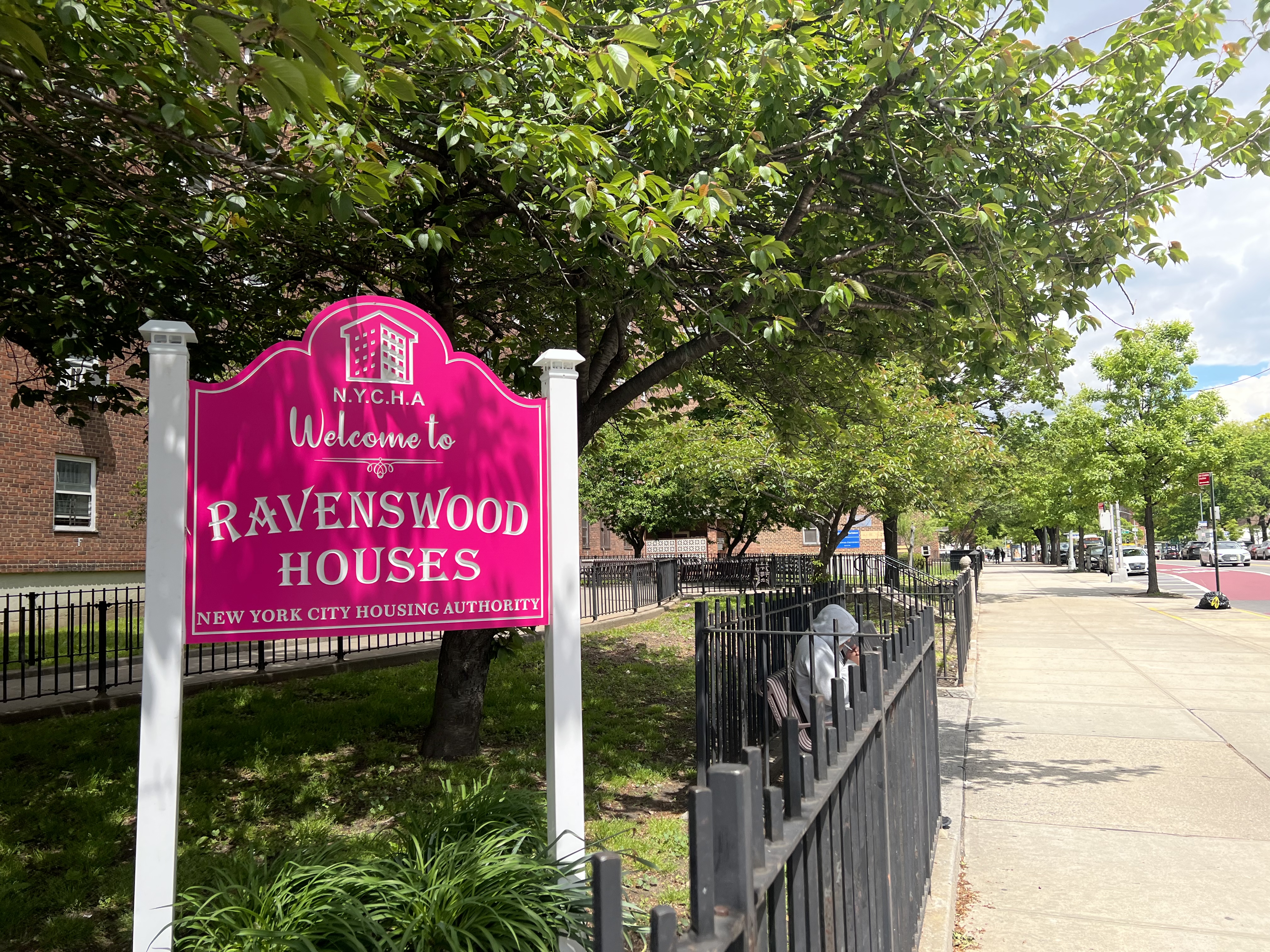
New York’s latest pledge to green its vast—and troubled—public housing stock signals a belated convergence of climate ambition, cost control, and political realism.
On a damp April morning at Woodside Houses in Queens, as Earth Day banners fluttered optimistically over cracked concrete, Mayor Zohran Mamdani faced a restive audience. Flanked by community leaders and city officials, the mayor outlined a five-year environmental overhaul for the New York City Housing Authority (NYCHA), the largest public housing network in America and, by most measures, its most beleaguered. Bouquets of policy buzzwords aside, it was the numbers that caught attention: 10,000 new induction stoves, 150 electric vehicle (EV) charging stations, and the promise to convert 20,000 apartments to clean heating and cooling—all by 2031.
The announcement, timed for maximum symbolic clout on Earth Day, marks the city’s most ambitious climate-driven intervention in public housing yet. NYCHA, home to nearly 400,000 New Yorkers in 2,400 buildings, has become emblematic of both the city’s social promise and its worst infrastructural failures. Ageing boilers, relentless mold, and unreliable heat have been recurring motifs in tenant complaints for decades. Past attempts at large-scale remediation have foundered on the shoals of bureaucracy and underinvestment; the new plan’s touted $38.4 million window heat-pump initiative at Beach 41st Street Houses will serve as an early test.
On paper, the mayor’s initiative aims to bridge two chronic New York anxieties: astronomical utility bills and rising greenhouse-gas emissions. “Affordability and sustainability go hand in hand,” Mamdani declared, arguing that every dollar of investment should buy cleaner air, smaller energy bills, and healthier communities. If it succeeds, the agenda not only promises to modernise housing for some of the city’s most vulnerable, but also to shrink NYCHA’s outsize carbon footprint—a feat envied by climate strategists nationwide.
But scepticism persists in both City Hall corridors and tenant association meetings. NYCHA’s to-do list is Sisyphean: deferred repairs exceed $78 billion by some estimates, and only a fraction of buildings meet basic efficiency standards. Even the most tightly targeted upgrades—window heat pumps, EV chargers, and induction stoves—risk seeming puny next to the scale of deterioration. And New Yorkers, ever quick to spot bureaucratic stumbles, remember a tepid record of past rollouts and a history of half-baked capital projects.
Viewed from a macroeconomic lens, the investments, modest by city standards, could nonetheless punch above their weight. Energy-efficient retrofits typically yield long-term savings on heating and cooling, stretching beleaguered public dollars further. The electrification push also dovetails with new state and federal incentives: New York’s ambitious climate law (CLCPA) targets an 85% greenhouse-gas reduction by 2050, and recent federal allocations for heat pumps form a convenient—if fleeting—windfall. If local agencies manage to execute without the usual lethargy, the upgrades could catalyse a greener standard for municipal housing across the country.
Socially, the programme broaches more subtle effects. NYCHA tenants, predominantly low- and moderate-income, have long felt neglected and exposed to environmental hazards. Cleaner buildings may bode well for public health—lower rates of asthma, for one, are strongly correlated with improved air filtration and reduced reliance on fossil-fuel heating. Access to EV charging signals an intent, at least superficially, to decarbonize every layer of city life, moving green infrastructure beyond the enclaves of brownstone Brooklyn.
Yet challenges lie in the thicket of New York’s politics and the inertia of its systems. NYCHA is a Byzantine apparatus, chronically underfunded and hobbled by state-federal jurisdictional disputes. Previous efforts at green retrofits—see the patchy roll-out of energy-efficient elevators or insulation upgrades—suffered from lacklustre implementation and opaque contracting. Critics within city government grumble, justifiably, that the projected timelines already lag behind New York’s urgent climate deadlines.
Public housing’s green pivot is fraught—but not futile
Taking the wider view, New York is hardly alone in wrestling its public housing into the low-carbon era. Cities from Berlin to Toronto chase similar, if smaller-scale, dreams of sustainable social housing, often with mixed results. London’s council estates, for instance, remain plagued by heating inefficiencies and financial shortfalls, despite years of trial and error. Where New York differs is in the scale of its ambition and the political expectation that the world’s second-largest municipal economy ought to lead by example.
The context is not merely technical or managerial. The city’s move coincides with intensifying climate-driven scrutiny of urban housing the world over: as governments parry rising energy prices and hold themselves to ever-stiffening emission quotas, public housing offers a tantalising, if fraught, laboratory. The potential dividends—lower costs, cleaner air, and measureable climate progress—are undeniable, but so are the obstacles.
Looking ahead, we reckon the mayor’s plan, while hardly gargantuan, reflects a pragmatic turn in green policymaking—a reckoning that aspiration must meet administration. To call the proposals transformative would be generous; to dismiss them would be to discount the incremental, quietly radical shift echoing through city agencies. As NYCHA’s director, Lisa Bova-Hiatt, put it: “We’re leaving fossil fuels behind, generating savings we can reinvest, and putting health first.” The real test, as ever, will come not in the ceremonial ribbon-cutting, but in the daily lived reality within NYCHA’s concrete towers, where residents have become connoisseurs of broken promises.
If New York can marshal its ponderous agencies and volatile politics to deliver cleaner, healthier, more efficient housing, it would set an overdue precedent for its peers. But, as the city’s history attests, good intentions and press conferences are the easy part. Execution, funding consistency, and vigilant oversight will prove the harder test—and are the only measures that truly matter. ■
Based on reporting from El Diario NY; additional analysis and context by Borough Brief.