Mamdani Signs Sweeping NYC Sanctuary Order, City Agencies Rush for Compliance This Month
New York’s new order fortifies its sanctuary status, portending deeper national divides and testing the city’s civic resolve as federal immigration actions intensify.
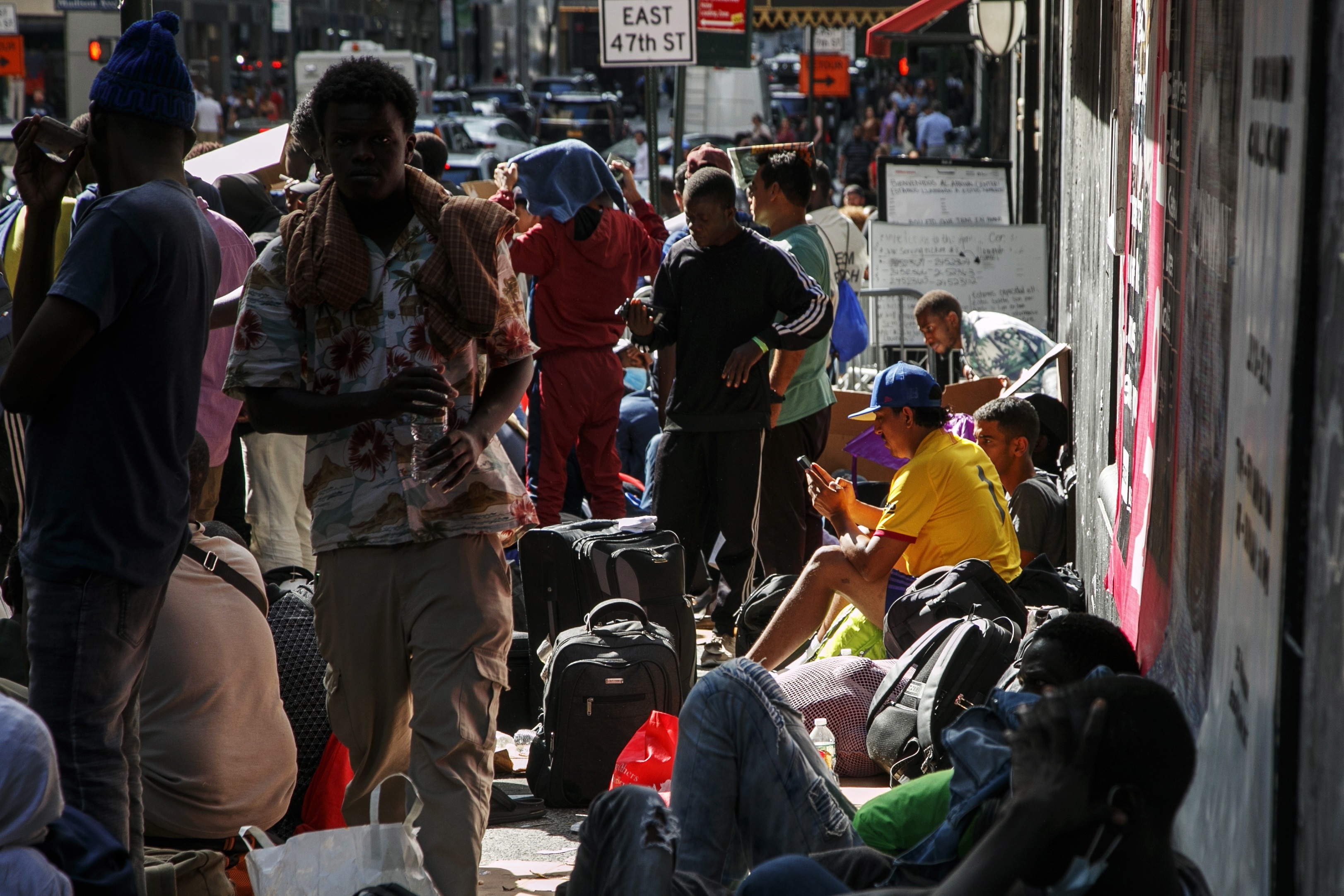
The Roosevelt Hotel’s marbled lobby has lately become more familiar to weary immigrants than to tourists seeking a bygone glamour. By late last summer, over 100,000 asylum-seekers swelled New York City’s shelters—a figure that looks unlikely to recede even as federal politics lurch from inertia to pointed crackdown. Last week, Mayor Zohran Mamdani responded with a sweeping executive order aimed at shoring up Gotham’s decades-old sanctuary policies, in a bid both symbolic and practical to shield the city’s most vulnerable residents.
Order #13, signed at the mayor’s inaugural Interfaith Breakfast before 400 clerics, touts measures both new and newly emphatic. The order instructs all municipal agencies to double down on firewalling residents’ information from federal immigration authorities—unless compelled by law—and beefs up physical restrictions on federal agents’ access to city-owned properties absent a judicial warrant. In a city as variegated as New York, this is more than bureaucratic tinkering; it is a forceful assertion of local sovereignty.
Beyond reams of legalese, Mr Mamdani’s order also propels a “Know Your Rights” campaign, dispersing 32,000 multilingual pamphlets to faith leaders for wider distribution. These spell out, in plain English, Spanish, Mandarin and more, vital rights for all New Yorkers during encounters with ICE: the right to silence, to counsel and to an interpreter. A new multi-agency task force—part of this edict—prepares the city for future surges or sweeps.
The immediate effect is a reassurance to immigrant communities who, buffeted by harsher winds from Washington, fear that even city-issued paperwork or casual encounters with authorities could endanger their status. By mandating every city agency to appoint a privacy czar and certify compliance within a fortnight, the mayor aims not merely for rhetoric, but accountability—at least on paper.
For the city administration, the move signals not only compassion but a subtle wariness about future federal actions. In the climate of 2024, when immigration looms as a defining—if polarising—national issue, city officials reckon it prudent to hedge against abrupt changes in enforcement priorities. Legal scholars are quick to point out that sanctuary policies, for all their sound and fury, cannot nullify federal law. But, if scrupulously implemented, they can raise the cost and lower the ease of collaboration between local and federal authorities.
The order’s broader implications for New York are both promising and fraught. Economically, the city has long leaned on successive immigrant waves to sustain service industries, bolster small business creation and replenish an often anemic population growth rate. Curtailing fear may help keep undocumented workers from vanishing into the shadows, which would otherwise undercut tax coffers and stifle the informal economy. On the other hand, critics in City Hall and Albany worry openly about costs: from already-bursting shelters to translation services. As federal aid remains paltry, New York foots the bill for policies over which it wields only partial control.
Politically, Mamdani’s order comes at a delicate juncture. New Yorkers may be overwhelmingly pro-immigrant by national standards, but patience is not limitless. City councilmembers in outer boroughs—Queens, Staten Island—have begun to bridle at shelter expansions and the strain on schools. Yet, unlike Texas or Florida, New York’s leadership appears intent on counterprogramming national restrictionism, betting that solidarity will ultimately be rewarded at the ballot box.
Sanctuary cities and the American patchwork
New York is hardly alone in its assertive posture. Dozens of American cities, from Chicago to San Francisco, have crafted robust sanctuary regimes. But nowhere else is the scale quite so daunting: the city’s public schools now serve over 20,000 newly arrived migrant children, and hospital visits by newcomers have soared. Federal courts, for their part, have thus far blocked the most draconian threats to local self-determination, though legal clouds linger.
Globally, other metropolises facing migration surges—London post-Brexit, Paris post-Syria—have experimented with comparable policies, not all with success. New York’s bet rests on the premise that local trust and economic dynamism outweigh temporary turbulence, and that information firewalls can stave off mass deportations without rendering city services impotent.
Even so, critics, and not all illiberal, caution that sanctuary policies offer no true panacea. Reluctant city workers may err on the side of silence, endangering public safety. Immigrants, wary of all officialdom, may not differentiate between local and federal agents. Legal ambiguities abound: should a major federal crackdown ensue, city officials could find themselves legally and politically outgunned.
Nevertheless, as Washington gridlocks—Congress dithers, and the executive branch alternates between tough talk and temporary reprieves—America’s cities are left to improvise. If nothing else, New York’s move demonstrates that, despite constraints, localities retain some power to define who gets to belong, and on what terms.
We regard Mayor Mamdani’s order as a sensible extension of policies that, while no antidote to dysfunctional federal law, are vital for social cohesion in a city that has always rested on stranger’s shoulders. Its bolder features—mandatory privacy officers, coordinated crisis response and rigorous training—will only matter if enforced, and if coupled with renewed federal support. Until then, New York’s policies amount to a sophisticated holding pattern: neither revolutionary nor merely cosmetic, but the best the city can muster under existing conditions.
As migrants continue to arrive, and as the political rhetoric elsewhere grows shrill, such incremental fortifications may offer the only workable path for cities intent both on inclusion and survival. If New York can weather this storm with at least its civic ideals intact, others may take note—though few will envy the costs. ■
Based on reporting from El Diario NY; additional analysis and context by Borough Brief.