Mamdani Floats Delaying City Budget as Hochul Holds Back State Funds—Civic Pas de Deux Continues
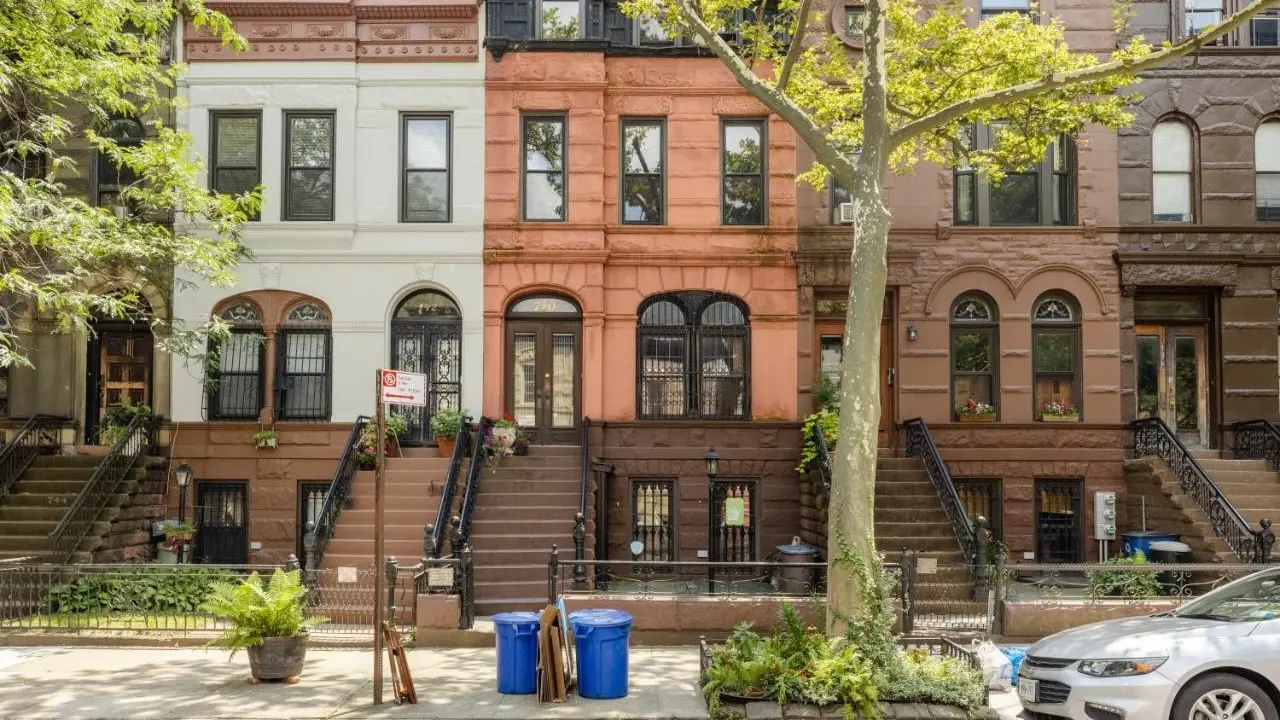
With New York’s budget impasse at both the city and state levels, the politics of fiscal brinkmanship threaten vital services and test the patience of New Yorkers.
For most New Yorkers, the budget process usually unfolds as political theatre far above the daily fray, more fodder for Albany-watchers than subway commuters. This year, though, the stakes feel different. With a gaping $5.4bn two-year budget gap in the city’s ledger, Mayor Zohran Mamdani openly floats delaying his executive budget, awaiting fresh largesse from Governor Kathy Hochul’s already beleaguered state coffers. Should both Albany and City Hall continue to tarry, services that residents genuinely notice—parks, schools, sanitation—could soon be on the chopping block.
The latest round of brinkmanship began in earnest this week, as Mr Mamdani and Ms Hochul stood before the cameras, offering warm words about World Cup festivities but little candour about the fiscal standoffs that threaten to overshadow summer celebrations. Behind the scenes, Ms Hochul’s proposed state budget is now more than three weeks past its statutory deadline. And City Hall’s own executive budget, due at week’s end, may not materialize unless state relief materializes first.
On paper, the mayor’s challenges are formidable. Closing a $5.4bn hole without disrupting core functions or antagonising politically-sensitive constituencies would test any municipal leader. While Ms Hochul has already pledged a hefty chunk—$1.5bn to plug the gap and additional billions for a universal childcare programme—Mr Mamdani’s administration gambles that further delay might extract better terms. “The question on the timeline is an active conversation. It’s a productive one,” the mayor told reporters, his equipoise belying the tension in City Hall war rooms.
Yet Albany is in no rush to bail out the city—at least, not unconditionally. Ms Hochul is keen to be seen as fiscally prudent, chiding the mayor to tend his own backyard before seeking handouts. The state budget, now at $263bn and counting seven stopgap “extenders”, is gummed up by feuds over insurance reform, climate mandates, and sundry downstate pork. For New Yorkers weary of perennial stalemates, it all portends an unappetising stasis.
The impasse’s first-order effects are already registering at street level. Agencies from libraries to parks confront the possibility of spending freezes as the mayor floats yet another creative fix: deferring scheduled payments to city pension funds. The spectre of “service cuts” is political cyanide in an election year, but so too is hiking fees or taxes. Behind closed doors, council members scowl that Mr Mamdani could—and should—pare inefficiencies further, rather than pleading penury.
If this contest of fiscal wills persists, second-order effects loom large. Business owners nervously await signals on property taxes and hiring. Policymakers fret that even modest trims to childcare or public safety could send working families packing for the suburbs. The mayor’s punt to a “pied-à-terre” tax—levying second homes to net another half-billion annually—may salve some wounds, but wealthy absentee property owners make for capricious fiscal footings. Weak public services, meanwhile, spook investors as much as surly weather.
Albany’s inertia is not merely local theatre. State capitals from Hartford to Sacramento face similar dilemmas: decades of underfunded pensions, high fixed costs, and ferocious lobbying for social spending. But New York’s size does not grant it immunity from malaise. In Paris or London, big-city mayors likewise joust with national governments over fair shares and fiscal discipline, but few rivals rival New York’s blend of ambition and handwringing.
Nor are these wrangles free from broader economic context. The COVID-19 emergency gave both city and state a brief windfall of federal funds, now exhausted. Wall Street’s unsteady fortunes and a cooling jobs market pressure receipts under the city’s own forecasts. The delayed state budget—an annual rite gone notably tardier—anchors a sense that government, at both levels, is more apt to bicker than boldly govern.
Fiscal gamesmanship at the eleventh hour
For now, political incentives cushion the mayor from the “bad guy” role. Every day Albany dithers, as one consultant observed, spares City Hall the optics of cutting beloved programmes. The council’s silence regarding a possible budget delay may reflect either tactical patience or thinly veiled exasperation: their assent is needed for any procedural pause, but some share Ms Hochul’s misgivings about the pace of city cost-cutting. In the absence of grand bargains, both city and state default to a tedious cycle of mutual recrimination.
Still, Ms Hochul and Mr Mamdani will eventually need to deliver. Homeowners and renters alike eye the “pied-à-terre” proposal warily (or with begrudging admiration), aware that New York’s progressive impulses often come with steep receipts attached. Any punt on pension obligations merely promises larger headaches for a future mayor—or, perhaps more likely, for taxpayers not yet arrived in the city.
Nationally, New York’s budget ballet serves as a cautionary tale for cities everywhere: even the mightiest metropolis must reconcile social ambitions with fiscal arithmetic. Dependence on higher-level government aid is no substitute for hard choices at home. Ill-timed service cuts or tax hikes could kneecap the city’s tentative economic recovery; excessive delay risks public cynicism and eroded trust in civic institutions.
We cannot help but regard this bout of brinkmanship with a dose of sceptical optimism. Political timidity is, in its way, a defence mechanism against sudden pain for voters; yet chronic indecision is its own affliction. A cold-eyed review of city spending and a more coherent approach to fiscal partnership with Albany would serve all New Yorkers better than the current spectacle of mutual stonewalling and backroom skirmishes.
The budget standoff is unlikely, in the long run, to topple New York’s status as the nation’s economic and cultural epicentre. But these annual rituals of delay and deferral carry persistent costs—less in bombast than in frayed services, tamed ambitions, and a public left to wonder whether their leaders can rise above parochial gripes. To thrive, New York requires not only state largesse but also municipal mettle. The time for fiscal fortitude is now. ■
Based on reporting from NYC Headlines | Spectrum News NY1; additional analysis and context by Borough Brief.