Lawmakers Demand Public Oversight in $7 Billion Penn Station Revamp Amid Trump Ties
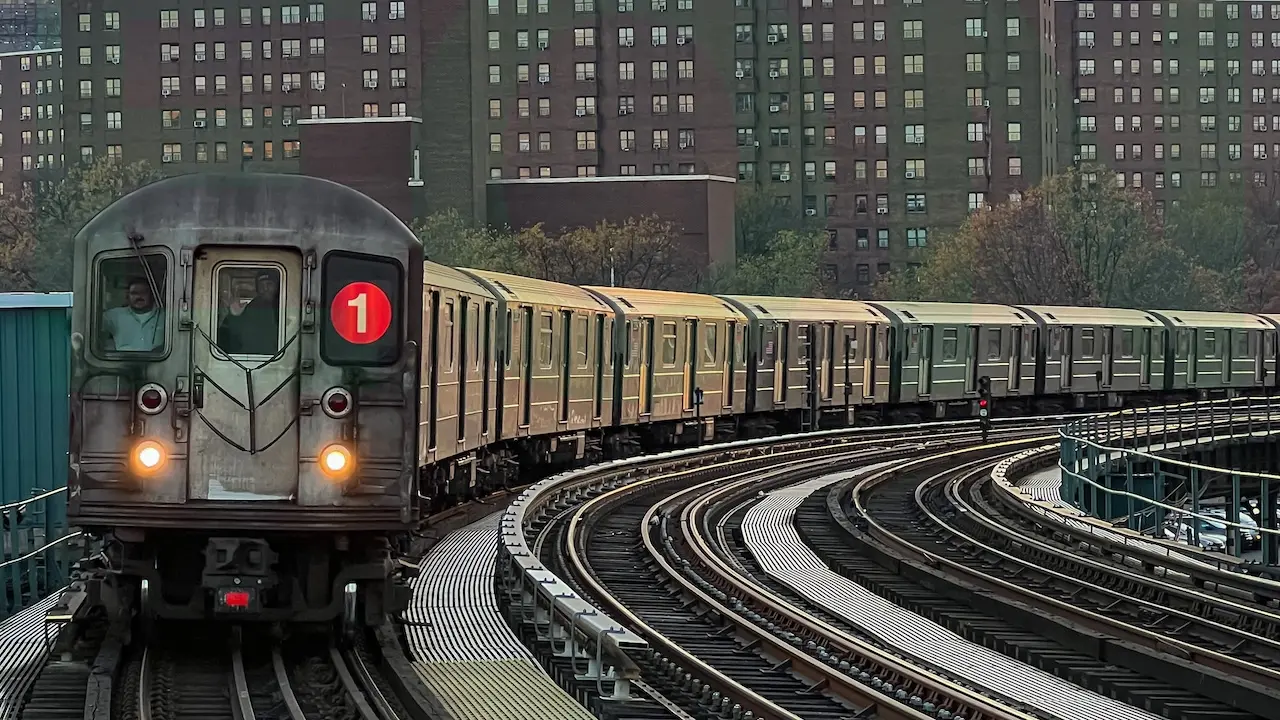
Calls for transparency over a $7 billion Penn Station overhaul exemplify the perennial tug-of-war between federal authority and local oversight in shaping New York’s infrastructure future.
New Yorkers accustomed to commuter chaos might reasonably wonder why, in the self-proclaimed “city that never sleeps,” the most sleepless site of all—Penn Station—is also its most secretive. For decades, the bustling behemoth – the busiest train hub in the Western Hemisphere – has served as both artery and anachronism: functional yet perpetually fraying. Now, as officials float a multibillion-dollar renovation, the clamor is not merely for blueprints, but for basic honesty about what is planned and who stands to benefit.
On a recent weekend, a coalition of lawmakers, transit advocates, and community figures staged an unusually lively protest inside Penn Station. Their charge: that only a select few – Trump administration holdovers and Amtrak insiders – know the true scope and cost of the redevelopment. Rep. Jerry Nadler, the city’s long-serving congressional stalwart, did not mince words. “It cannot be decided in a backroom deal,” he inveighed, demanding transparency and local input for a plan that will upend the daily routines of hundreds of thousands.
The bones of the dispute are plain. The renovation, with cost estimates floating around $7 billion, promises to transform a critical juncture for city and regional transit. Yet neither detailed proposals nor genuine opportunities for public comment have materialised. Local leaders allege that the three developer teams shortlisted for the lucrative contract are tangled in the donor webs of the previous White House. These connections, however tenuous, fuel suspicions that the future shape of midtown’s commuter gateway could be decided far from the city—or its commuters.
For New York, whose collective self-image is inextricably tied to functioning (if not always faultless) mass transit, the omission smarts. Manhattan Borough President Brad Hoylman-Sigal, summing up the local mood, insisted, “It’s time to let New York…the busiest train hub in the western hemisphere, and our local community surrounding it, to have a proper say in this development.” The message is clear: opaque planning may have suited the Gilded Age, but now befits neither city nor century.
First-order implications bristle with practicalities. Each weekday, upwards of half a million riders squeeze through Penn Station, jostling for space amid leaking ceilings and low-grade retail. Should the plans proceed as rumoured—with little public vetting—commuters risk inheriting not a bold reimagining, but a stitched-up patchwork reflective of federal imperatives or private gain. Moreover, who shoulders the bill—taxpayers, transit agencies, or benefactors—remains maddeningly vague.
Second-order risks loom larger still. The city’s economy, bruised by pandemic closures and beset by rising costs, counts on efficient infrastructure to lure both workers and visitors. If redevelopment is perceived as a carve-up among well-connected developers, trust in New York’s ability to govern itself will erode further. Politically, the dispute is an unwelcome parting controversy for Nadler, who—after three decades in the House—will soon depart, leaving constituents with more questions than answers.
Societal echoes are no less striking. Penn Station exemplifies the duality of American cities: mighty in ambition, feeble in follow-through. Transparency in infrastructure not only enables scrutiny; it may also spare the city from yet another generation of dire commutes and missed connections. For a metropolis still struggling to lure office workers back to midtown, traveller confidence is more than a matter of cosmetic improvement.
Nationally, parallels abound. Major infrastructure undertakings—from California’s high-speed rail to Boston’s “Big Dig”—are often bedevilled by cost overruns and fuzzy procurement. Yet even in such company, the secrecy enveloping Penn Station’s overhaul is exceptional. Where London’s Crossrail and Paris’s Grand Paris Express at least gave locals a semblance of voice, America’s keystone urban projects still founder on a shoal of bureaucratic opacity and political infighting.
Pernicious secrecy bodes ill for trust and efficacy
Globally, cities that thrive are those that balance central stewardship with local accountability. New York, irony of ironies, now risks importing the worst excesses of both top-down command and parochial interference. In this context, the assertion that White House appointees hold final sway over design and contracts poisons both the process and the city’s reputation for independence.
One might forgive New Yorkers their scepticism, if not outright cynicism. Last year’s announcement that Andy Byford—much-liked former city Transit president—would oversee the project as an Amtrak adviser raised hopes for a local voice with actual experience. Yet, his apparent confirmation that power ultimately lies in Washington only sharpens the sting.
The money, meanwhile, is no trifle. A $7 billion price tag (and, if American precedent holds, a likely overrun) deserves granular accountability. Who pays—and who profits—will shape urban development for decades. So far, neither the federal Department of Transportation nor any developer has furnished the public with convincing details.
A spokesperson for the DOT fired back with Trumpian bravado: “While the Congressman frantically tries to pad his unimpressive legacy, the Trump Administration remains laser-focused on delivering a big, beautiful train station for New Yorkers at the Speed of Trump.” The showdown is less about personalities, however, than process: will the world’s great city receive a station befitting its status—or another costly monument to mismanagement?
Wry observers might note that, if nothing else, the dispute has united local Democrats in opposition to federal overreach—no mean feat in a fractious era. Yet consensus on the problem brings little solace absent concrete steps toward open hearings or meaningful input from the city’s largest transit agency, the MTA.
For New Yorkers, who long ago adapted to life amid scaffolding and construction woes, demands for transparency may sound quixotic. But at stake is not just architectural dignity, but a principle: that the city’s lifeblood infrastructure ought not be dictated by distant administrators—or their donors.
If New York is to reclaim Penn Station as more than a subterranean embarrassment, the city and its people deserve to see, and shape, its future—preferably before the first sledgehammer falls. ■
Based on reporting from NYC Headlines | Spectrum News NY1; additional analysis and context by Borough Brief.