Irán Recupera Control en el Estrecho de Ormuz, Petróleo y Tregua Penden de Un Hilo
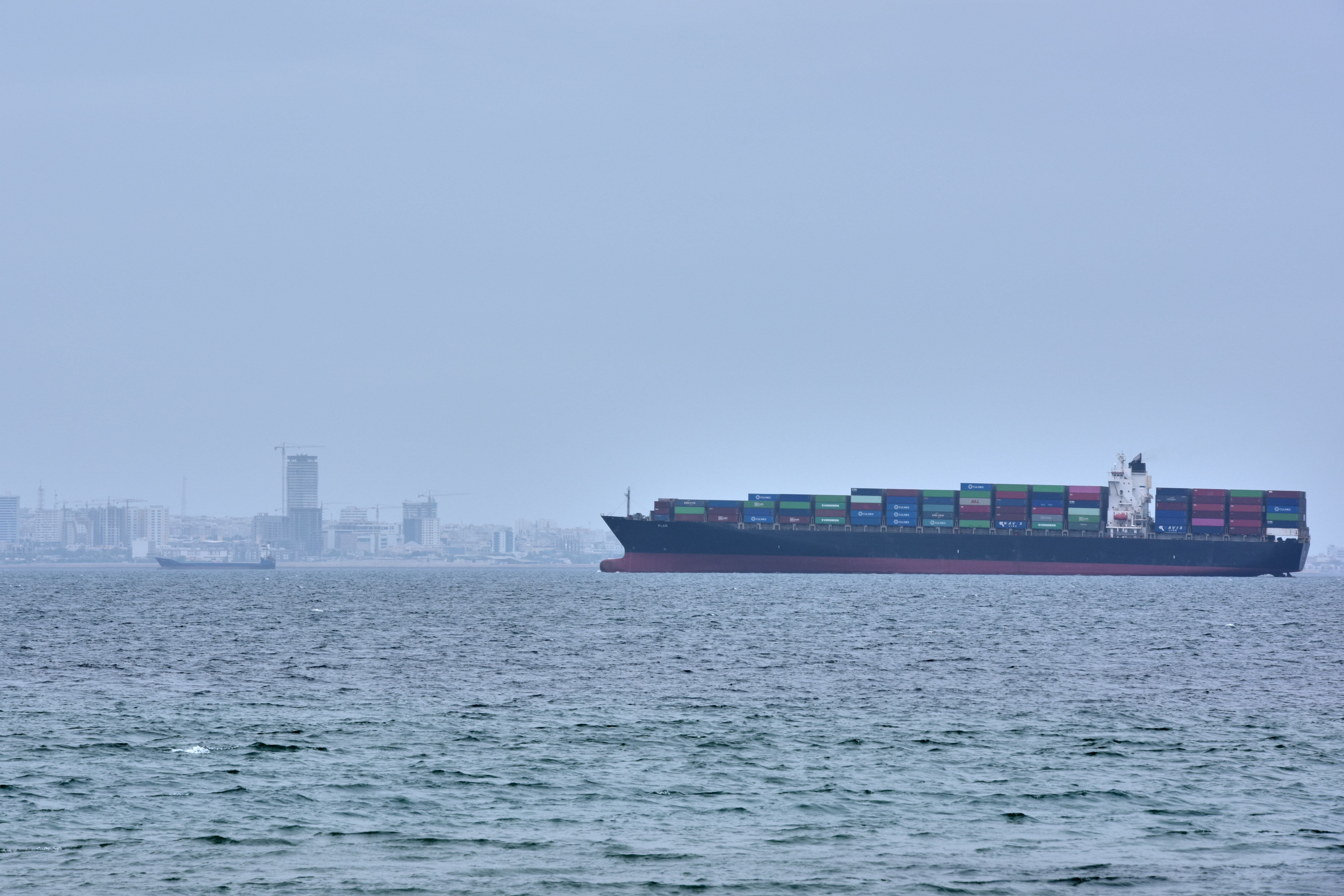
Flare-ups in the Strait of Hormuz threaten global oil flows—a vulnerability that reverberates from Manhattan trading desks to Brooklyn gas pumps.
At dawn, the oil tankers usually glide past Lower Manhattan’s canyons with little concern for the commotions half a world away. Yet this weekend, as Iranian warships asserted what officials called “strict control” over the Strait of Hormuz just hours after its partial reopening, even New York’s most jaded traders paused. The strait, scarcely wider than the Hudson at its narrowest, is the artery through which an astonishing 20% of the world’s oil supplies slog their way to thirsty markets.
The spark arrived after weeks of tension: America’s blockade of Iranian ports, intended to squeeze Tehran’s ambitions, prompted a predictably muscular response. In a brisk communiqué, Iran’s military claimed to have reverted the strait to its “previous state”—a phrase as enigmatic as it is ominous. Within hours, the British-run United Kingdom Maritime Trade Operations agency reported that Iran’s Revolutionary Guard fired on a commercial tanker, though details remain elusive.
The latest test of nerves only compounds the sense of unease haunting New York’s energy markets. Global oil traders, ever attuned to Middle Eastern contretemps, eyed futures contracts with fresh wariness. Gasoline prices, already fluttering upwards for summer, edged higher throughout the five boroughs. For residents whose commutes hinge on the price at the pump, and for taxi drivers whose margins are perpetually slim, the stakes feel markedly less abstract.
The city seldom considers how the goings-on at Qeshm Island or Bandar Abbas trickle down to Astoria’s bodegas or Hunts Point’s refrigerated warehouses. Yet the tentacles of commodity volatility reach everywhere. New York’s financial hubs are directly exposed: Wall Street counts energy firms, sovereign wealth funds, and shipping insurers among its choicest clients. A disrupted Strait, even briefly, can portend wild swings in crude prices, spooking investors and hobbling consumer confidence.
Second-order effects are not limited to the price of a tankful. New York’s sizable Iranian diaspora—estimated at 50,000 in the metro area—watches anxiously as events in the Persian Gulf raise the specter of new sanctions and travel headaches. Politicians, ever keen to exploit foreign drama for local gain, have begun declaiming about American “energy independence” and the imperative to protect New Yorkers from the caprices of distant autocrats.
The timing, too, is awkward. The action comes mere days before a two-week truce between Washington and Tehran is set to expire—a fragile cease-fire that underpins ongoing negotiations for more durable calm. President Donald Trump, not known for delicacy, responded with thanks for Iran’s brief reopening of the strait, while insisting that America “cannot be blackmailed.” Iran’s rejoinder was pointed: the blockade must end if free passage is to be guaranteed. This war of words, though nothing new, is now tinged with renewed peril for global commerce.
Globally, Hormuz’s hold over the energy trade is utterly disproportionate. Attempts to route oil exports elsewhere—via Saudi pipelines to the Red Sea, or through the Suez Canal—are dwarfed by the sheer volume funnelled through the strait. Other great port cities, from Shanghai to Rotterdam, watch these developments no less anxiously: a precipitous spike in shipping insurance or a fresh wave of piracy would ripple through the world’s supply chains in a trice.
For New York, the drama is as much psychological as material. Economically, the city’s diversity tempers the blow; Wall Street’s vaunted resilience is built on such shocks. Politically, the vulnerability is less palatable. An administration eager to display resolve abroad risks domestic blowback if local prices rise or market turbulence threatens retirement savings. The city’s policymakers, meanwhile, face renewed pressure to expand alternatives—investments in public transit or incentives for electric vehicles.
Straitened prospects and local anxieties
Yet pessimism would be premature. The oil market, while jittery, has demonstrated sangfroid in the face of similar crises—from the Iran–Iraq war to more recent episodes of brinkmanship. Emergency reserves, diversified supply routes, and increasingly nimble traders have blunted many potential shocks. Even a brief throttling of Hormuz, though deeply inconvenient, is not the outright chokehold it would once have been.
Still, New York cannot afford complacency. Its economy, while gargantuan, still depends on flows of energy, capital, and goods shaped by geopolitics beyond city hall’s ken. The episode is a timely reminder that local resilience is contingent on global stability—and that faraway chokepoints like Hormuz manifest themselves not only in gasoline prices, but in the cacophony of financial markets and the local mood.
In the longer view, developments in the Persian Gulf accentuate the case for diversification. Renewables, alternative transport, and even improved pipeline infrastructure remain prudent hedges against turbulence. If nothing else, the incident underlines a central axiom for the city: the ability to adapt to distant disorder—be it military, economic, or political—remains one of New York’s most precious commodities.
In the short term, shopkeepers may fret about delivery costs and commuters may gripe about rising fares. But for now, the city’s vastness and ingenuity should suffice to weather this latest squall, though not without a wary glance eastwards.
■
Based on reporting from El Diario NY; additional analysis and context by Borough Brief.