Forty Million Face Northeast Blizzard as New York Closes Schools and Hunkers Down
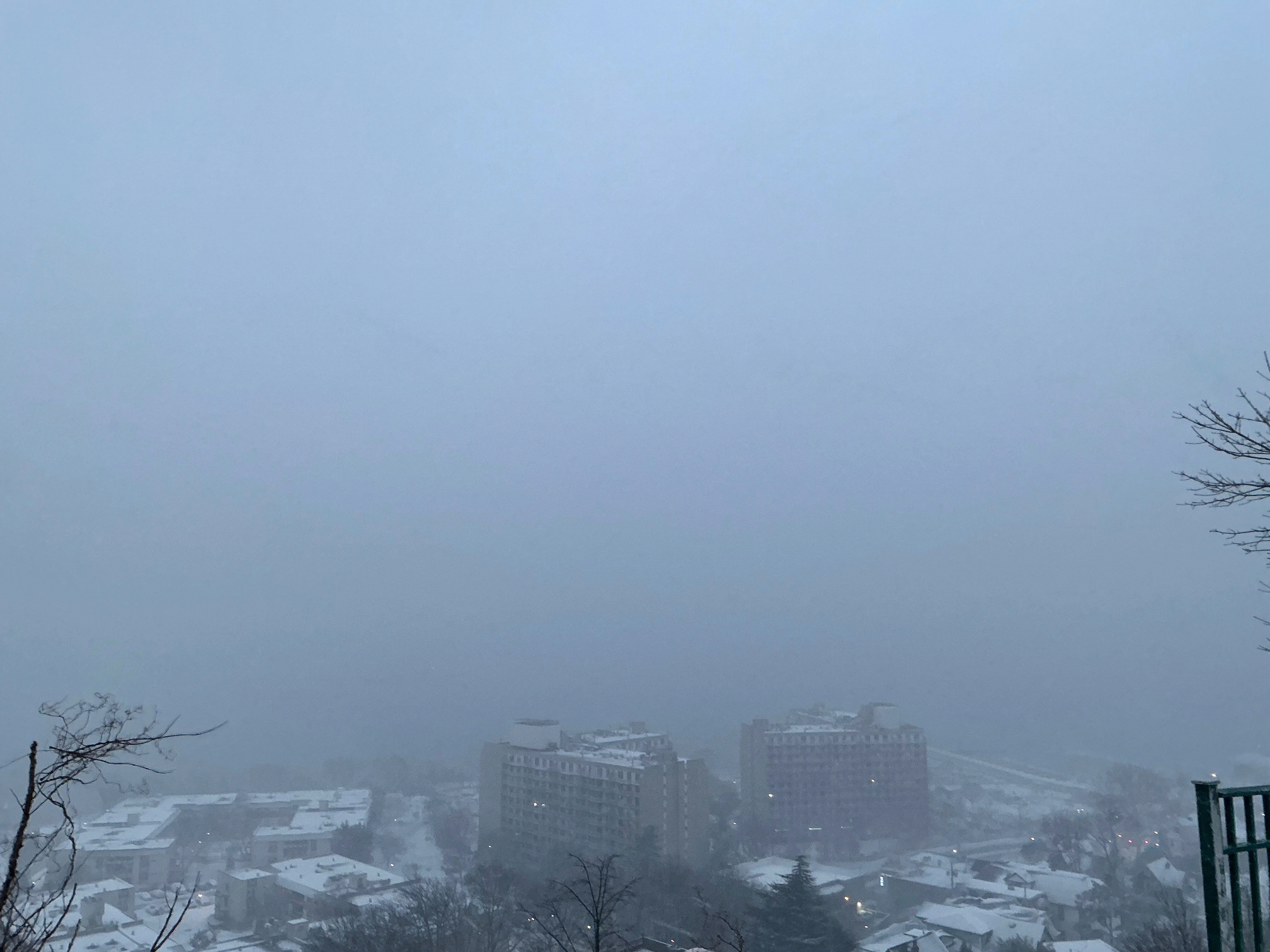
New Yorkers face a potent test of preparedness as a decade-high winter storm snarls transport, taxes infrastructure, and strains emergency response across the Northeast.
Visibility on the Hudson River vanished to a monochrome blur on Sunday, as swirling snow battered the George Washington Bridge and the skyline beyond. By dusk, more than 40 million people from Delaware to Maine found themselves under the steely grip of a winter storm warning—one not seen in scale or ferocity in nearly ten years.
This week, an intense nor’easter swept up the east coast, buffeting the New York metro area with forecasts of up to 60cm (nearly two feet) of heavy, wet snow. The National Weather Service cautioned of “very intense and wet snowfall,” punctuated by gusts reaching 112km/h (70mph), threatening to uproot trees and cripple the region’s aging above-ground power grid. Mayor Zohran Mamdani, only months into his first term, shuttered the city’s schools and urged nearly 900,000 students to stay home. Travel was sharply curtailed: from the crack of Sunday evening until midday Monday, non-essential vehicles vanished from bridges and expressways by official order.
New York’s municipal machine, well versed but not infallible in such matters, shuddered into motion. Crews scattered salt in pelting gusts, 2,000 plows lumbered toward the five boroughs’ 10,000km of navigable road, and Con Edison preemptively dispatched line-workers across sensitive circuits. Officials, mindful of memories of the slapdash response to 2016’s record snowfall, were at pains to project calm and competence. “Please, stay at home if you can,” the mayor intoned—a plea familiar yet freighted anew.
With so many roads closed and bus and rail lines disrupted, the city’s economy braced for a multifaceted jolt. The Port Authority prepared to absorb both the logistical tedium and the pressure of 3,000 flight cancellations at LaGuardia and JFK. Restaurants, delivery drivers, and a legion of hourly wage-earners faced a sudden loss of income. For many small businesses buffeted by lingering pandemic woes and labour shortages, a single day’s closure could tip a fragile balance sheet into the red.
Electricity, that capricious lifeline, remained in question. Downed power lines—inevitable under the burden of wet snow and howling winds—portend dark apartments and frayed tempers, especially in outer-borough neighbourhoods where backup options run thin. Utility officials cited “hundreds of extra field workers,” yet by Monday afternoon, thousands were expected to shiver through outages. In a city defined by density but dependent on a sprawling, patch-worked infrastructure, the margins of error for response are puny.
Schools, reeling from the logistics of another abrupt shutdown, scrambled to reactivate remote learning plans. Teachers, many juggling their own caretaking duties, hurriedly uploaded assignments and braced for uneven participation. For parents, especially those without paid leave or reliable childcare, the latest closure was a bitter addition to a pandemic-era trend: the shift of risk and responsibility from civic authorities to frazzled households.
Storms of this magnitude, though annually anticipated, arrive with increasing unpredictability and consequence. That five states—Delaware, New Jersey, New York, Connecticut, and Massachusetts—declared emergencies synchronised both reflects administrative caution and a tacit fear that each year’s disruptions may soon eclipse the last. The financial cost, if recent history is a guide, will run easily into the hundreds of millions. In 2016, a weaker storm yielded $1bn in direct and indirect losses for the New York area, according to Moody’s Analytics, with only a trickle recouped by insurance.
The human toll, too, is rarely evenly distributed. City agencies tried to provide cots and hot meals at shelters for rough sleepers—a population inflated by New York’s persistent housing crisis. Elderly residents, among whom cold-related fatalities concentrate, faced the risk of isolation if buildings lost power or stairwells went unplowed. In a city touting technological prowess, storm-readiness remains a deeply analogue affair, predicated on shovels, boots, and mutual reliance.
First responders—firefighters, sanitation workers, and hospital staff—found themselves squeezed between obligations. With transit disrupted, the journey to work could prove more hazardous than their official duties. Meanwhile, city officials moved to reassure New Yorkers that emergency services would “continue uninterrupted.” The test, however, lies in execution, not optimism.
Snowfall as a barometer
Elsewhere in the nation, the same storm pummelled Washington, D.C. and Philadelphia, mirroring the region’s vulnerabilities. Chicago, Boston, and Toronto may smirk at New York’s winter consternation, yet the city’s density compounds every snowflake’s impact. As climate change scrambles usual weather patterns, the Northeast has seen both larger storms and sharper swings between balmy winters and blockbuster blizzards, challenging weather forecasters and policymakers alike.
For New Yorkers, the spectacle serves as a perennial measuring stick—of government agility, social cohesion, and each individual’s margin of resilience. The fundamentals remain stubbornly local: overwhelming the famed subway with “slush rivers,” filling grocery aisles with panic-buyers, prompting neighbourly offers of snow blowers and shovels in buildings that seldom foster such camaraderie. In the crucible of shared adversity, the city’s social character is, paradoxically, both tested and reaffirmed.
Politically, storms like these offer hazards and opportunities. Incumbents avoid the fate of predecessors (and competitors across the Hudson) by pacing press briefings and being photographed in reflective vests. Their true test, though, arrives in quieter reckoning over infrastructure investment and inter-agency coordination once the media glare fades.
National and global cities must learn from one another’s calamities. Tokyo and Zurich have buried power lines, partitioned emergency lanes, and automated real-time alert systems, making them more robust against such meteorological moods. New York, for all its discipline and ingenuity in crisis, lags in key areas—undergrounding cables, modernising storm drainage, and integrating climate adaptation into all aspects of urban planning.
We reckon that the city’s response, equal parts choreography and improvisation, will be measured in both cost and kudos. The coming days will reveal where those efforts have succeeded—and where, as some suspect, the veneer of readiness masks systemic neglect. What is clear: the magnitude of this storm is rivalled only by the city’s ability to muddle through, if not quite thrive under, calamity.
As the final flakes drift down and ploughs clear a path, New York’s true lesson may not be about the snow, but about the habits of preparation and the pulse of a community that, once more, refuses to be paralysed for long. ■
Based on reporting from El Diario NY; additional analysis and context by Borough Brief.