Fiscales de Nueva York Emplazan Orden de Trump Sobre Ciudadanía en la Suprema Corte
An attempt to upend birthright citizenship heads to the Supreme Court, with sweeping implications for immigrant communities and the constitutional bedrock of New York City.
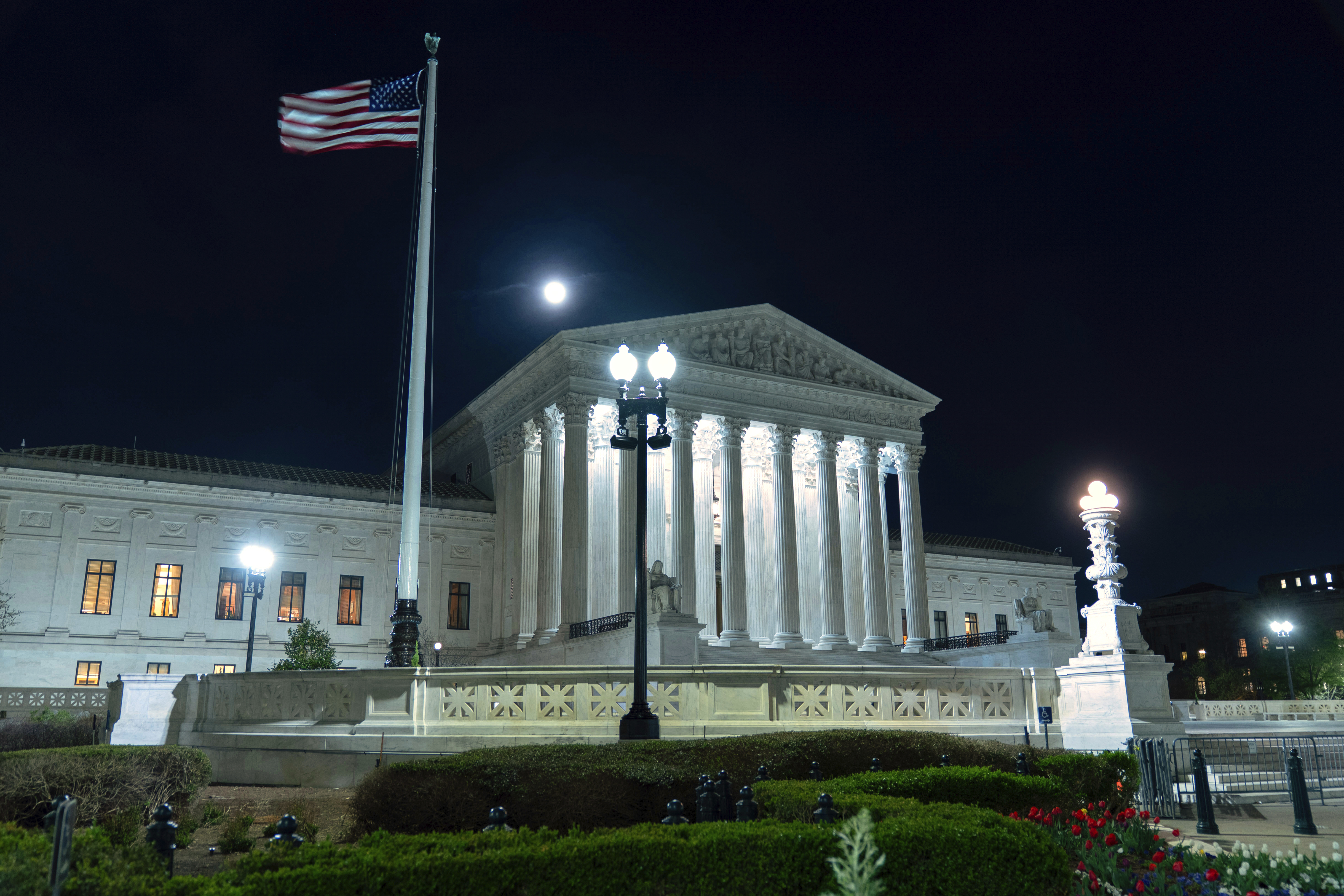
On a recent spring day, the marble steps of the U.S. Supreme Court stood witness to a scene not seen in over two centuries: a sitting president, Donald Trump, attending a hearing about his own decree. The case at issue—“Bárbara vs Trump”—tests the constitutional guarantee of birthright citizenship for the children of undocumented immigrants. At stake: the fate of an estimated 250,000 infants each year, and a core pillar of the American promise.
The executive order at the heart of the controversy, signed by Mr Trump in January 2025, sought to end automatic citizenship for children born in the United States to parents lacking legal status. The edict was swiftly halted by lower courts, but now faces a definitive examination at the nation’s highest bench—a process watched keenly by New Yorkers, who reside in the country’s most immigrant-rich metropolis.
New York’s Attorney General, Letitia James, backed by a formidable coalition of states and civil society groups, led the charge to defend the Fourteenth Amendment’s guarantee that all persons born on U.S. soil are citizens. The coalition’s brief is blunt: the order flouts “a principle legal for more than 150 years,” not to mention federal statutes and the Constitution itself.
City officials fear that if the Supreme Court blesses Mr Trump’s gambit, New York would be among the hardest hit. Of the roughly 250,000 newborns affected each year, a disproportionate share are delivered in urban centres like New York, where nearly 40% of residents claim foreign birth or heritage. Hospitals, schools, and even city agencies would face a punishing administrative riddle: how to track, support—or exclude—thousands of children suddenly rendered stateless inside the city’s boundaries.
Beyond the paperwork, the ruling threatens the city’s already fraught social fabric. Generations of New Yorkers have woven a patchwork community out of arrivals from every part of the globe, bound together by the notion that place of birth, not parentage, confers belonging. A change to this principle risks sowing mistrust, discouraging prenatal care and school attendance for fear of detection, and chilling cooperation between immigrant communities and public authorities.
The city’s economy, always buoyed by access to eager hands and energetic minds, may well sag under new constraints. Labor economists reckon that introducing uncertainty about the citizenship status of entire cohorts of children would discourage upward mobility, further entrenching cycles of poverty. Employers already fret about talent shortages and demographic stagnation; shrinking the pool of young, American-born workers is unlikely to help.
The legal case has drawn pointed skepticism from both conservative and liberal justices. John Roberts, the chief justice, labelled the administration’s rationale—rested on obscure exceptions for diplomats and combatants—as “very peculiar.” Neil Gorsuch, a Trump appointee, dryly observed the government’s reliance on “sources of Roman law” and wondered aloud whether the precedent set in 1898 in United States v. Wong Kim Ark had been so easily toppled. Elena Kagan dismissed references used by the federal government as “rather far-fetched,” exposing holes in the Trump team’s constitutional logic.
The national reverberations of the case reach well beyond the five boroughs. Some red-state governors have signalled support for the president’s approach, hoping to curtail incentives for migration. Yet many legal scholars, civil rights advocates and business leaders warn that the destabilising effects would be nationwide. A patchwork of local interpretations of citizenship would strain the federal compact, foster legal uncertainty, and burden public and private institutions alike. Congress, notably silent so far, may regret ceding so fraught a question to the courts’ discretion.
Around the globe, only a handful of nations—including Canada and the U.S.—continue to confer citizenship solely by birthplace, a principle once common but now rare. When countries like Ireland or Australia rescinded automatic jus soli, it came amid rising nativist sentiment and has since been the subject of legal and political controversy. America’s commitment to birthright citizenship, written into the fabric of the Fourteenth Amendment after the Civil War, has long marked its claim to exceptionalism.
A test of civic identity and constitutional consensus
What then to make of the current challenge? For all the theatrics, it is the logical endpoint of years of political drift. Mr Trump’s order is not the first attack on birthright citizenship, but it is the most direct—and the first to reach the Supreme Court in over a century. The wager is that an altered bench, reshaped by recent appointments, might find new ambiguities in old language.
Yet as the hearing showed, neither conservative scruple nor textual innovation appears to bolster the administration’s cause. Legalistic prestidigitation aside, the plain meaning of the Fourteenth Amendment seems hard to avoid. “Subject to the jurisdiction thereof” is, as the consensus has held since 1898, a high bar to the President’s attempt at semantic acrobatics.
For New York, the social calculus cannot be detached from the legal. If courts were to uphold the order, the city might face new incentives for underground births, undocumented families sliding further into the shadows, and city agencies forced to mediate among conflicting state, local, and federal directives. The deterrent effect for would-be migrants, meanwhile, is questionable at best; most cross the border in search of safety or work, not citizenship for hypothetical offspring.
We take a dim view of executive attempts to rewrite longstanding constitutional principles via pen rather than statute. If Mr Trump’s order prevails, the resulting policy would be piecemeal and costly, further balkanising the nation’s approach to citizenship without appreciable gain in security or economic health. If, as seems likely, the Supreme Court strikes down the order, the episode serves as a cautionary tale: American openness, and its peculiar civic creed, are easiest to erode by indifference rather than assault.
However the justices rule, New Yorkers—and Americans—should be grateful for an unusually public airing of what it means to belong. Robust debate is a more fitting guardian of constitutional rights than legal sleight of hand. The city will endure, as ever, on the invisible bonds that link neighbour to neighbour and child to city, by birth or by choice. ■
Based on reporting from El Diario NY; additional analysis and context by Borough Brief.