Feds Pull $74 Million From New York Over Lax Commercial License Checks for Immigrant Drivers
Federal pressure on New York to tighten oversight of immigrant truckers’ licenses exposes new rifts between safety, policy and politics on America’s busiest roads.
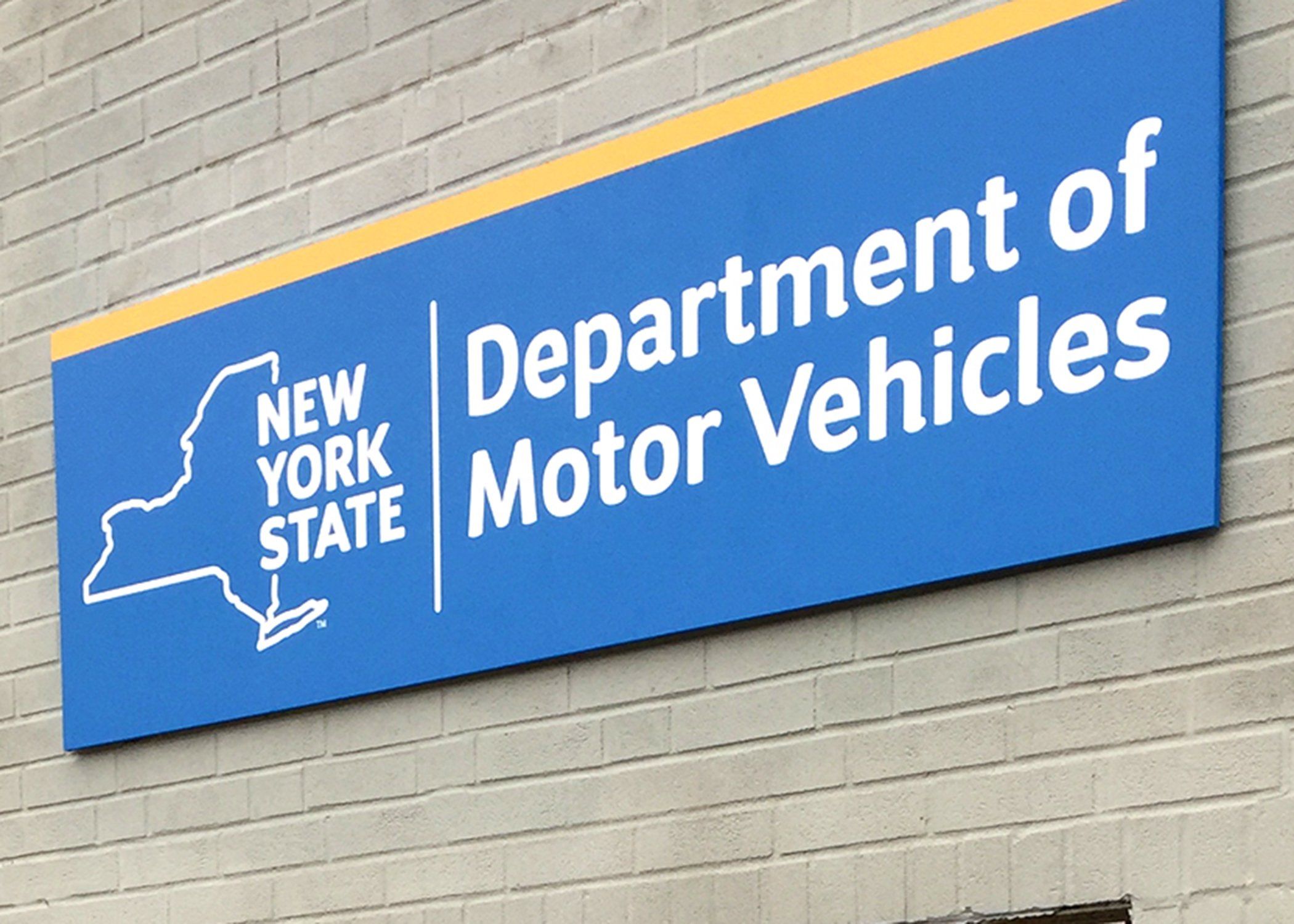
Last week, the U.S. government yanked $74 million in coveted highway funds from New York State, citing reluctance to revoke thousands of commercial truck licenses held by immigrants whose work authorizations have lapsed. In a sternly worded letter on June 13th, the Department of Transportation (DOT) threatened an additional $147 million in withheld grants—an eye-watering sum for a city and state scrambling to maintain aging infrastructure. The charge: New York’s Department of Motor Vehicles (DMV), led by Governor Kathy Hochul’s administration, is dragging its feet on expelling “unverified and unqualified” foreign drivers from the state’s roads. “We will not bankroll dangerous, anti-American policies,” thundered Sean Duffy, the federal transport secretary.
The heart of the row is an arcane, but consequential, piece of the state’s licensing machinery. At issue is how New York oversees commercial driver’s licenses (CDLs) for non-citizens. A federal audit last year found that roughly half of the 32,000 out-of-state CDL holders in New York had licenses valid well beyond the expiration of their legal ability to work. DMV staff had acknowledged that, as a matter of routine, licenses are granted to immigrant truckers for eight years—as if all enjoy the same indefinite legal status as citizens, regardless of how short their federal work permits are.
Federal transportation regulators take a dim view of this deviation. The Federal Motor Carrier Safety Administration (FMCSA) warns that allowing drivers to remain licensed after losing work authorization undermines one of its core missions: ensuring that all commercial drivers on American roads meet stringent verification requirements. The argument, in Washington’s eyes, is not only about aligning paperwork but safeguarding public safety.
The first-order implications for New York and its famously bustling logistics chains are not trivial. Losing $74 million in federal highway funding—and the threat of $147 million more—portends delayed repairs, stalled upgrades, and the prospect of potholes mounting as state coffers shrink further. For a city whose economic metabolism depends on the seamless flow of goods—35,000 trucks cross its bridges on a typical day—disruption reverberates fast. Trucking advocates fret that bureaucratic zeal could inadvertently sideline vital workers in the already tight and aging logistics labour market.
Second-order effects may run deeper. The episode risks toxifying the intertwining debates over immigration and public safety, particularly as New York becomes a testing ground for progressive policies—whether sanctuary laws or driver’s licenses for undocumented residents. While the governor’s office claims simply to be following the rules, federal officials allege that New York is blithely rubber-stamping license renewals as a workaround. These duelling allegations, amplified in the press, may harden perceptions of partisanship at both city hall and the statehouse, sharpening the partisan divide.
In economic terms, the threatened funding adds to the long list of New York’s fiscal headaches. The state confronts a gaping budget hole amid rising social service costs and a tepid post-pandemic tax recovery. Any further shortfall could force unwelcome trade-offs: less money for fixing cracked highways, subway upgrades, or, paradoxically, investing in traffic safety itself. Local businesses reliant on smooth trucking—grocers, warehouses, small manufacturers—would bear the brunt of delays and costlier transport.
Politically, the spat bodes ill for federal-state cooperation as national elections loom. That Washington trains its sights on New York, a reliably Democratic state, is no accident: it galvanizes a well-rehearsed playbook of culture-war sparring over immigration enforcement. Yet there are ironies aplenty. New York’s officials note that the state’s CDL program operated unchallenged through the tail-end of the Trump administration, and that no serious accidents have been tied to immigrant truckers with lapsed work papers.
Nationally, the episode mirrors broader tensions over immigration and interstate standards. California and Illinois, which also issue CDLs to non-residents, have faced similar scrutiny, though not yet the full wrath of grant withdrawal. New York’s sheer scale and the political theatre of its policies, however, cast it as a bellwether. It is also a reminder that in federalism, guidance can harden into threat when tempers flare. Other states may well watch with a wary eye as the rulebook sharpens.
America’s infrastructure—highways, bridges, arterial roads—stands as both a literal and figurative link, knitting together a vast and often fractious nation. The stability of its regulatory architecture relies not just on laws, but on tacit understandings between state and federal authorities. Political point-scoring, however pugnacious, can erode these ties faster than any pothole.
Driving a wedge: policy over pragmatism
The bigger worry is that the drama obscures more than it illuminates. On one side, federal authorities frame the entire affair as a matter of law and order, sidestepping the profile of most affected drivers: long-term essential workers who propped up supply chains through the pandemic. The DMV, in turning a blind eye to permit timelines, arguably invites such oversight—but hardly out of wanton disregard for road safety.
On balance, New Yorkers—like most Americans—expect both safe roads and policies anchored in practicality. Blunt suspensions of funding may resonate in a press release, but risk collateral damage to residents far removed from the let-and-forget bureaucracy of Albany and Washington. There are less theatrical ways to enforce compliance, short of withdrawing vast sums earmarked for basic infrastructure.
The wry reality is that neither side stands to win much public affection. State officials appear, at best, administratively lax; federal ones, opportunistically punitive. Meanwhile, the actual problem—a misalignment between work authorization deadlines and license expiration—seems ripe for a technical fix involving data sharing rather than headline-grabbing sanctions.
In sum, the present imbroglio is less about road safety than about who calls the tune in a divided polity. America’s roads may yet remain safe, but only if both sides can veer away from political brinkmanship and toward practical solutions. The only thing New Yorkers fear more than a traffic jam is a bureaucratic one. ■
Based on reporting from El Diario NY; additional analysis and context by Borough Brief.