Federal Judge Halts Kennedy Jr. Changes to Kids’ Vaccine Panel, Calendar Stays Classic for Now
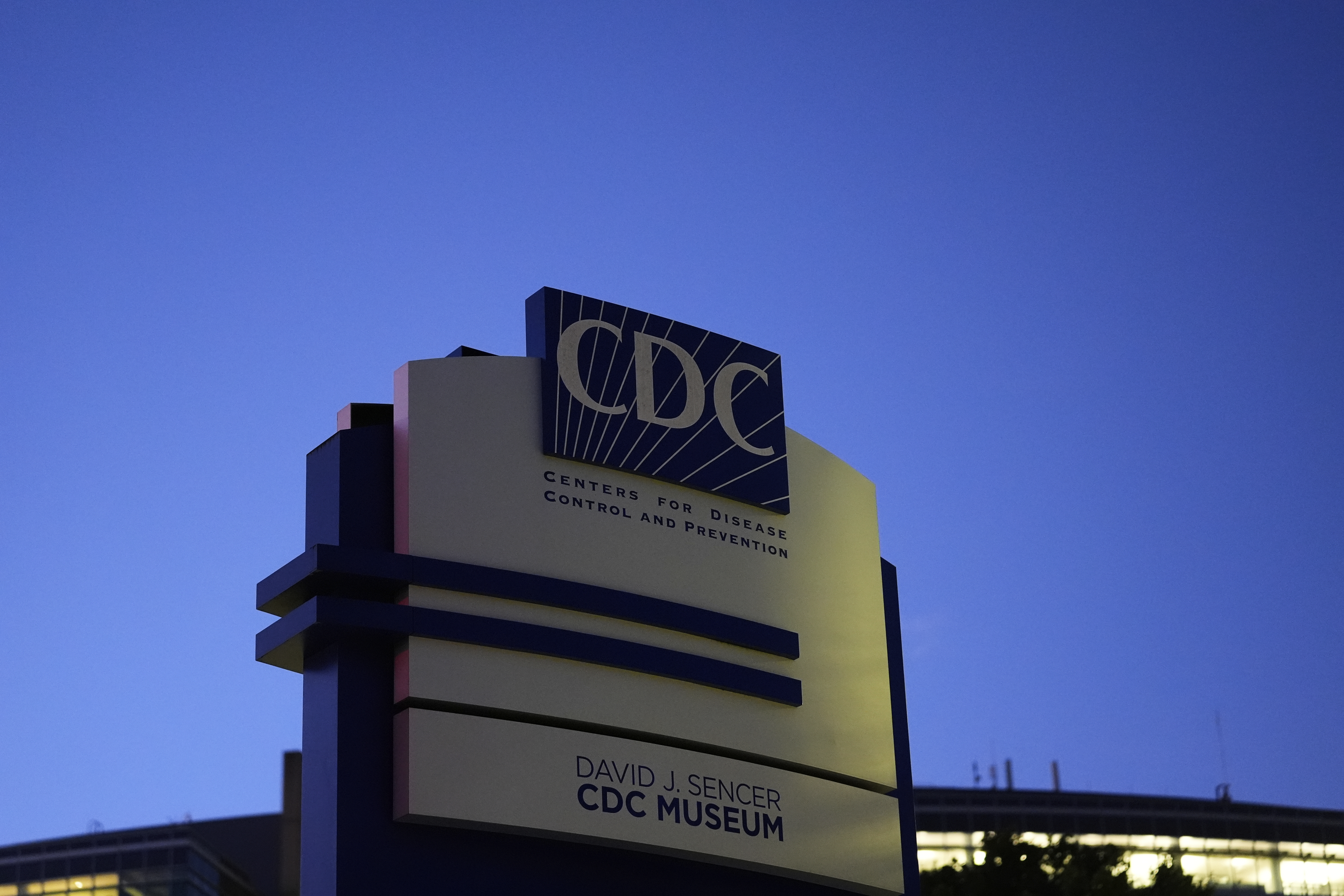
An unruly bout over childhood vaccine policy exposes the fault lines in America’s approach to public health—and puts New York’s teeming clinics back in limbo.
Outside a Brooklyn paediatrician’s office, the line snakes around the block: parents, infants in tow, whispering about which jabs to expect, which to defer. No wonder tempers have frayed. Last week a federal judge in Massachusetts upended a sweeping overhaul of the nation’s childhood vaccine schedule, installed by Robert F. Kennedy Jr., who as secretary of Health sought to pare back a regime that has long been the envy—and, since the pandemic, the battleground—of rich-world medicine.
The decision, prompted by a lawsuit from the American Academy of Pediatrics (AAP) and allied doctors’ groups, invalidated recent actions by the Department of Health and Human Services. Kennedy, an outspoken vaccine sceptic, had enacted a new schedule, slashing the number of recommended early-childhood immunisations from 18 to 11 and withdrawing the blanket immunisation advice for newborns against hepatitis B, hepatitis A, RSV, dengue, and certain bacterial meningitides. The legal broadside alleged that Kennedy’s team ignored core federal rulemaking procedures and “stacked” the immunisation advisory panel with loyalists—effectively sidelining the checks and balances that have governed American vaccine policy for decades.
Judge Emily Ferguson’s ruling brings the reform to a grinding halt. All committee votes from June onward stand suspended. The next scheduled Advisory Committee on Immunisation Practices (ACIP) gathering has been abruptly cancelled. Several clinicians in Manhattan’s Lower East Side report confusion: Should they continue with the erstwhile CDC schedule, or adopt the Kennedy-era iteration now mired in legal quicksand?
The stakes, locally, are anything but theoretical. New York City’s schools, pre-schools, and summer camps depend on clear federal guidance to determine entry requirements. Health insurers calibrate their paediatrics coverage and rates according to the CDC-endorsed list. Hospitals and clinics, coping with the city’s relentless foot traffic—over 100,000 paediatric vaccine doses administered citywide each month—could ill afford regulatory schizophrenia. For parents keeping a wary eye on measles or the vestiges of polio (which ominously resurfaced in Rockland County in 2022), ambiguity is more than bureaucratic headache; it is a looming public health menace.
By yanking several jabs off the schedule, Kennedy’s plan would have shifted New York’s delicate herd immunity calculus. Hepatitis B, once vanquished, could regain a foothold in immigrant communities; RSV, a perennial scourge of infant wards, claims dozens of hospital beds each January. Removal of the dengue jab, insignificant in much of the country, bodes ill for the Bronx and Queens, boroughs where international travel and climate change conspire to import mosquito-borne nasties. That more than 200 professional and hospital groups rapidly refused to follow Washington’s new line—choosing, instead, the AAP’s protocol—suggests a rare moment of consensus against federal caprice.
A wider contagion: science, trust, and America’s cultural divide
Nationally, the saga portends a broader conflict over technocracy, trust, and political impulse. Kennedy, long a gadfly on the vaccine circuit, swept into federal office on an anti-establishment wave—one powered, in part, by polarised doubts about COVID-era mandates. That his first major initiative targeted childhood vaccines rather than pandemic-era measures is both telling and troubling: the move played directly to a base suspicious of experts, but overlooked the vast majority of American parents, who quietly vaccinate their children and expect bureaucrats to steer clear of ideological adventurism.
The court’s intervention, while momentarily restoring precedent, signals a fragility at the heart of US public health: Panels overseeing crucial guidelines suddenly appear vulnerable to whatever political winds blow through Washington. Health recommendations devised in Atlanta (where the CDC is headquartered) now risk being interpreted as mere expressions of factional policy, not scientific consensus. The American system’s split authority—federal recommendations, state enforcement, insurer implementation—was designed for flexibility, but today it resembles a tangle of competing mandates.
By contrast, many peer countries maintain more stable vaccine regimes. In France, the schedule is nailed into national law; in Britain, the Joint Committee on Vaccination and Immunisation, a committee with genuine teeth, answers to Parliament before making abrupt changes. In Germany, even health ministers of iconoclastic streak steer clear of tampering with vaccine basics. New York, boasting a density to daunt Singapore, can ill afford a system where every new administration rewrites paediatric protection.
Still, the episode may provoke salutary effects. Parents, long lulled by a system that seemed to tick along with bureaucratic regularity, are suddenly consulting their paediatricians with renewed vigour. The AAP’s president, Andrew Racine, notes that recent court action “restored some clarity”—a rather modest phrase for what amounts to a central reassertion of medical authority. If only the same could be said for the public’s trust.
For now, New York’s offspring (and their anxious caregivers) inherit a measure of cautious continuity. The spectre of wilful deregulation has been banished, at least temporarily, and paediatric nurse practitioners need not puzzle over duelling spreadsheets. But the underlying issues—political intervention in scientific bodies, patchwork enforcement, and the fizzling boundary between expert advice and partisan preference—will no doubt re-emerge in future skirmishes.
Better, then, to acknowledge what this moment underscores: America may excel in medical innovation, but its institutions for translating science into everyday permission slips remain brittle. That New York, a city both uniquely vulnerable and abuzz with experts, should find itself at the mercy of these caprices is a warning, not a model.
Parents, meanwhile, can only hope that the next reform—in Washington or elsewhere—comes with more transparency, more consultation, and a greater respect for the careful, occasionally tedious work of children’s medicine. Unruly improvisation is all very well for Broadway. It is rather less welcome in the city’s paediatric wards. ■
Based on reporting from El Diario NY; additional analysis and context by Borough Brief.