Federal 1 Percent Tax to Hit Cash Remittances Abroad by 2026, Digital Options Escape
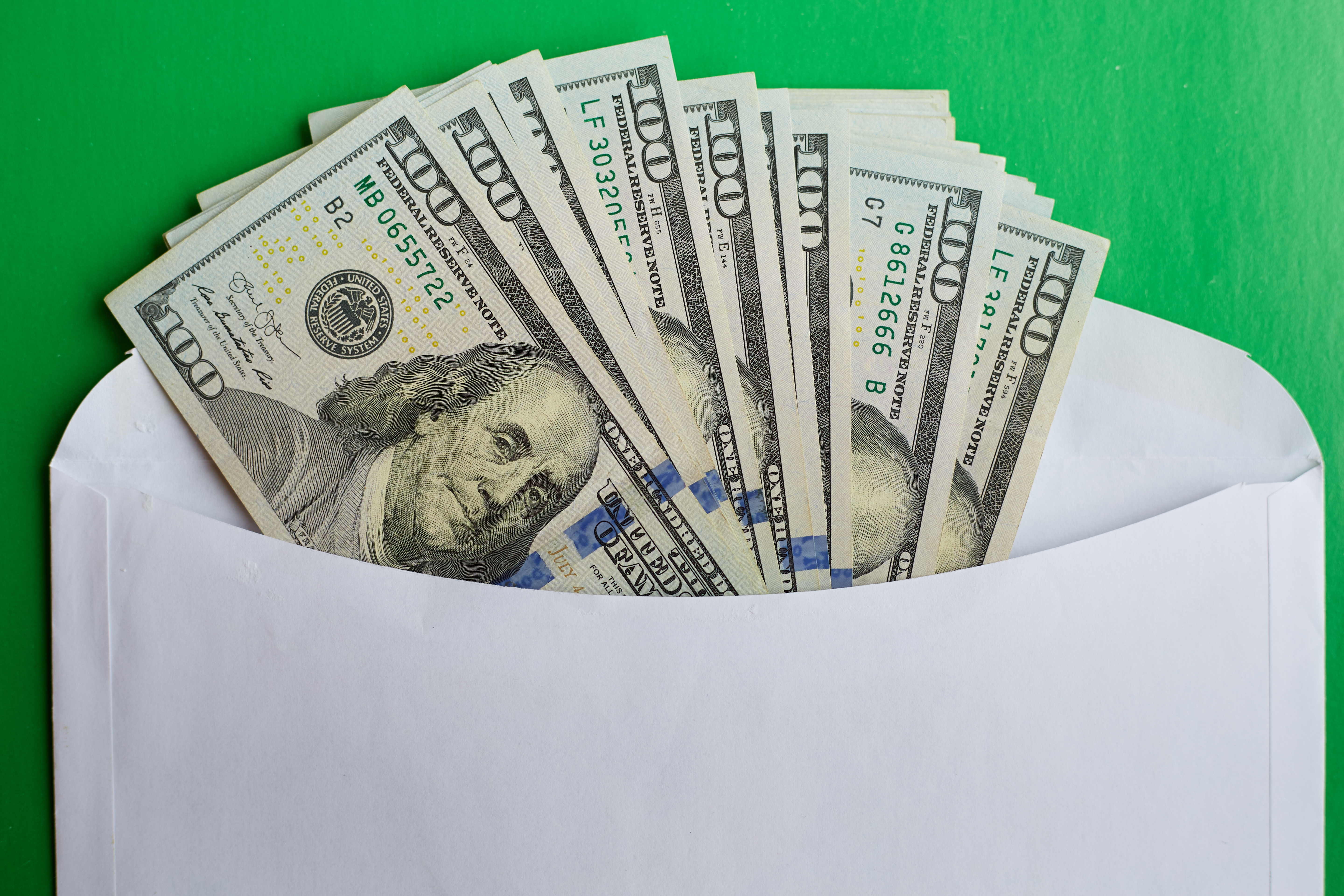
Millions of New Yorkers face higher costs to support relatives abroad, as a new federal remittance tax sets a precedent for how America treats its immigrant communities—and their wallets.
Step into a Jackson Heights bodega and, on most afternoons, you will find a quiet queue snaking its way to the remittance counter. When the money finally arrives in Puebla, Port-au-Prince or Quito, it pays for school fees, hospital bills and sacks of rice. The lifeline may soon come at a stiffer price: as of January 1st, 2026, a new federal tax will slap a 1% levy on international money transfers sent by cash, check or money order from the United States—a move that will hit New York City’s vast migrant workforce first and hardest.
Folded deep inside a sweeping July tax bill championed by congressional Republicans, the measure is the first of its kind since the United States became the world’s top sender of remittances. The law—signed on July 4th and projected to net the federal treasury nearly $10bn annually—will force those relying on legacy money senders such as Western Union to pay $50 on a standard $5,000 cash transfer. Those who send funds frequently will see the costs quickly pile up.
It is not hard to see why accountants and advocacy groups fret. Over one-third of New Yorkers are foreign-born, and the city is a global capital of remittance outflows. In 2022, immigrants in the United States sent a staggering $79bn home, according to the International Organization for Migration. For many of the city’s two million immigrants—half of whom hail from Latin America or the Caribbean—the ability to transmit money inexpensively is both an economic necessity and a cultural staple.
Crucially, the tax does not apply across every method. Transfers paid by debit, credit or prepaid cards, or peer-to-peer apps such as Venmo and Zelle, are spared. Only “manual” modes—cash, money order, bank checks—face the 1% haircut. On paper, this shift nudges senders towards digital channels. In practice, the calculus is messier. Many digital services already charge fees, offer less favourable exchange rates or impose limits awkward for the unbanked and recent arrivals.
The measure’s boosters tout the projected $10bn windfall as a painless way to fatten the Treasury, framing remittances as “money flight” rather than life-sustaining support. Critics, by contrast, see a regressive levy poised to pinch working-class pockets and, in effect, hit the immigrant poor twice. Politically, the move sits oddly amid broader debates about fairness and inclusion. That a Republican-led bill—a package otherwise defined by tax cuts—should insert this targeted excise bodes ill for those who hoped wage-earners sending cash home might escape the usual anti-migrant barbs.
For New York, the hit is direct and diffuse. At the household level, thousands of low-income families will face a fresh squeeze. Those who cannot navigate digital platforms—seniors, the undocumented, those without a bank account—will pay up. The city economy, reliant as it is on steady remittance flows and robust street-level consumption, will feel both the outflows and the dampened neighborhood spending that result when working-class dollars are skimmed away.
Rising friction for families trying to prop up relatives in Mexico, the Dominican Republic or West Africa carries potent second-order effects. Bolstered remittances in a normal year mean healthier households “back home”—potentially curtailing migration pressure and political strain at America’s border. Conversely, a stingier flow can mean more hardship and, paradoxically, more impulses to migrate. Within New York, advocates fret that the added cost will drive desperate senders underground, spurring the growth of informal transfer schemes with scant oversight and weak consumer protection.
New York’s ecosystems of faith groups, community organizations and small businesses meanwhile face yet another arena in which to serve as impromptu navigators, guiding newcomers through a thicket of fees, rules and fine print. The digital migration the law implicitly pushes may lock out the city’s most vulnerable, further stratifying access to basic financial tools. Unsurprisingly, immigrant advocacy groups such as the New York Immigration Coalition have signaled opposition. They warn the law risks “taxing the ties that bind”—even as city hall pleads for trust with the very communities it hopes to integrate.
A global squeeze joins the American parade
From a broader vantage, New York is something of a canary in the global remittances mine. Other countries—among them Germany and Saudi Arabia—have dabbled with remittance taxes, sometimes with modest benefit, more often with unforeseen headaches. International bodies from the World Bank to the IMF have urged caution and, instead, seek to cut fees on remittances, which remain, on average, an eye-watering 6.5% per transaction. Advanced financial corridors—think Singapore, London—have so far avoided tacking on federal taxes, fearing repercussions for both senders and receiving economies.
That America should set a precedent—particularly one that may be imitated by states under budgetary strain—portends a new era of fiscal experimentation. Doubtless, the sums at stake for the federal government are enticing: $10bn will not plug the deficit, but it is more than chicken feed. For the average New Yorker, however, this amounts to a puny boost for the state’s balance sheet, while risking a mighty burden for those with the least margin to spare.
Any reform that so directly targets the working poor must be scrutinised for both fairness and prudence. If the aim is to nudge senders into cheaper, more transparent digital rails, the real work lies in bank access, financial literacy and regulatory reform—not token levies that skim a few dollars from the diaspora’s pockets. And if the true goal is, as some suggest, to fund border security or deter ‘outflows’, it is hard to see how tax policy will crack the conundrum that is family and global migration.
New York has long prided itself on being a crossroads and a launchpad—a place where working people could, with grit and a little luck, nudge parents, siblings and cousins toward better futures. To tax these lifelines carelessly is, at best, a signal of fiscal desperation; at worst, it is a discouraging sign of which wallets Congress deems easiest to pluck. As the city braces for the new tax, we expect its denizens to adapt, as New Yorkers always do—albeit with a little more grumbling than usual. ■
Based on reporting from El Diario NY; additional analysis and context by Borough Brief.