Cole Allen’s Manifesto Cited Anti-Trump Grievances Before White House Dinner Shooting
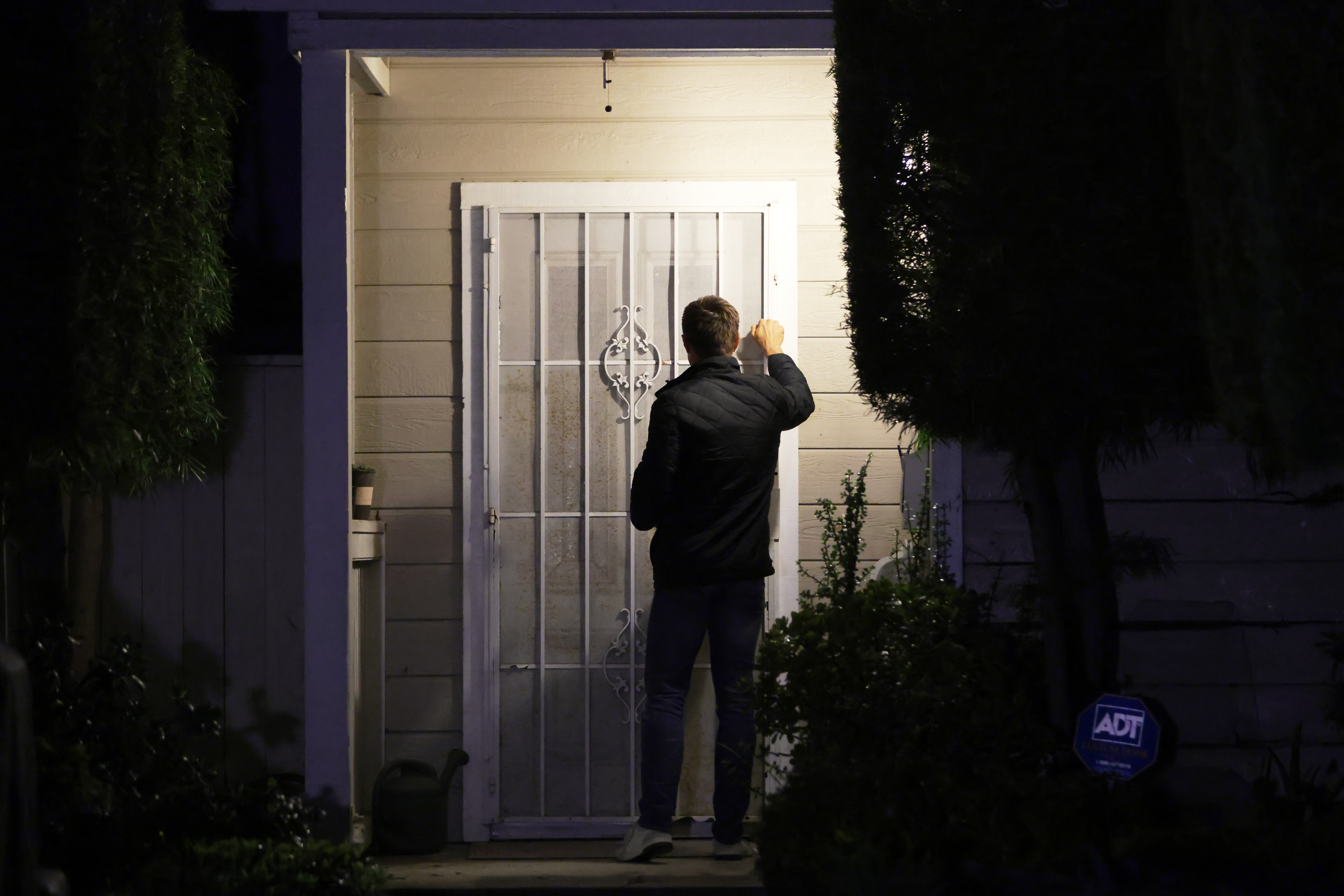
America’s latest high-profile assassination attempt reverberates well beyond Washington, posing sobering questions about political violence and social strain in New York City.
As the late-April drizzle bathed Midtown, New Yorkers glanced up from their screens to absorb the news: yet another attempted political assassination—this time amid the glitz of the White House Correspondents’ Dinner in Washington, D.C. The suspect, Cole Tomas Allen, a 31-year-old whose pre-attack manifesto seethed with anti-Trump invective, sent his screed to family members just minutes before gunfire erupted. The episode, while dramatic on its own, prodigiously expands a growing catalogue of ideological violence that is increasingly—and uneasily—relevant to Gotham’s own political and social contours.
The failed plot swiftly captivated the city’s 24-hour political class and anxious law enforcement agencies. Allen’s 1,052-word document named several top officials in Donald Trump’s administration as “priority targets.” He excoriated Mr Trump as a “pedophile, rapist and traitor”—an echo chamber of online vitriol, now violently manifest. Only the director of the FBI, Kash Patel, was spared his animus.
The shooter’s family, alerted by his email, rang the police in Connecticut. Local authorities scrambled to intervene. The tragedy—saliently, Allen was apprehended soon after—exposed both the limits and the necessity of familial vigilance. Trump, whisked away from the venue by the Secret Service, promptly ascribed the attack to “a strong, anti-Christian hate,” adding another acidic layer to an already discordant national dialogue.
For New Yorkers, the saga lands with particular weight. The city revels in its image as a stronghold of liberal pluralism, but partisan chasms here have widened too, not least after the Trump years. Close proximity to power and protest—Trump Tower looms over Fifth Avenue, City Hall hosts near-weekly demonstrations—ensures a direct connection to national fissures. The targeting of senior political figures in Washington inevitably invites soul-searching (and policy innovation) within all dense, diverse urban hubs.
Security protocols are now under fresh scrutiny. New York Police Department officials, weary from many years on “counterterror” footing, acknowledge that lone-wolf plots are their gravest headache. Unlike coordinated groups, individuals radicalised online or by cable news rhetoric remain difficult to predict or intercept. Allen’s manifestly premeditated, personalised grievances exemplify these dangers, which New York’s own security planners cannot ignore—particularly in a crowded electoral year.
The economic ripples are not trivial. Political violence, even when foiled, sends a chill through the hospitality and event industries. Already, some event organisers here report requests for enhanced security checks at galas and conferences. The cost of such caution is not paltry: hiring additional plainclothes officers and screening technology will likely add tens of millions of dollars to the bills of risk-averse clients. The impact trickles down too, in lost business and insurance hikes.
Beyond fiscal calculations, the damage to the city’s social fabric may be larger. Episodes like this deepen an ambient sense of unease about the boundaries of acceptable protest and political dissent. Many New Yorkers pride themselves on lively, even cacophonous political debate. But there is growing worry that the language of opposition is calcifying into a language of enemies rather than adversaries. Such a climate bodes poorly for New York’s tradition of vigorous but peaceful protest.
There is also the small but gnawing risk of imitation. Law enforcement sources, eyeing online forums, fret about so-called “manifesto culture”—the notion that acts of violence are prefigured, justified, and even advertised in rambling online diaries. Allen’s pre-attack essay, reportedly apologising to his family while laying out a grandiose “plan to fix the world,” fits the mould. The city’s many therapists and educators question whether current interventions—a mixture of monitoring, threat assessment, and occasional involuntary holds—suffice.
What New York can learn from Washington’s brush with violence
New York, like other global metropolises, is a magnet for campaigners and cranks alike. In Paris, Tokyo, and London, a series of anti-political attacks in recent years have prompted an international conversation about “hyper-targeting”—individuals picking specific officials as a way to terrorise larger populations. In this, New York is not unique. But its immense population density and symbolic value elevate the stakes.
Federal authorities, for their part, note that Allen appears to have legally acquired his weapons—two handguns and a shotgun—without his parents’ knowledge, stowed quietly within the family home. While New York’s own gun laws are considerably stricter than those of Connecticut or much of the country, the flow of illicit firearms along the so-called “Iron Pipeline” remains a headache. Tightening background checks and flagging threatening communications are steps in the right direction, but they are no panacea.
Trump’s assertion of an “anti-Christian” motivation, unsupported by the text of Allen’s manifesto according to reporting, hints at a different malaise: the temptation by political actors to use tragedy as ammunition in cultural trench warfare. For New York, with its vast synagogues, mosques, and churches (and electorate wary of sectarian politicking), such rhetoric risks inflaming rather than uniting.
Ultimately, what lessons should New York draw from this latest spasm of violence? To our eyes, the attack underscores neither the futility of political engagement nor the inevitability of violence, but rather the perils of unchecked alienation. When disgruntlement with elected officials crosses into apocalyptic fervour—and is fertilised by online networks of like minds—urban safety nets fray. City leaders will need to invest not only in more compliant turnstiles and beefed-up security, but in better early-warning systems: affordable mental health support, better information-sharing, and renewed efforts to model the sometimes-forgotten civic virtue of tolerance.
Governing a city as plural and boisterous as New York has always involved choosing between the realities of freedom and the perils of abuse. Allen’s failed plot, and the worries it raises, is a sombre reminder that the hard work of sustaining democracy is unending. ■
Based on reporting from El Diario NY; additional analysis and context by Borough Brief.