Auto Insurance Fraud Drives Brooklyn Premiums Over $6,700 as Hochul’s Fix Stalls in Albany
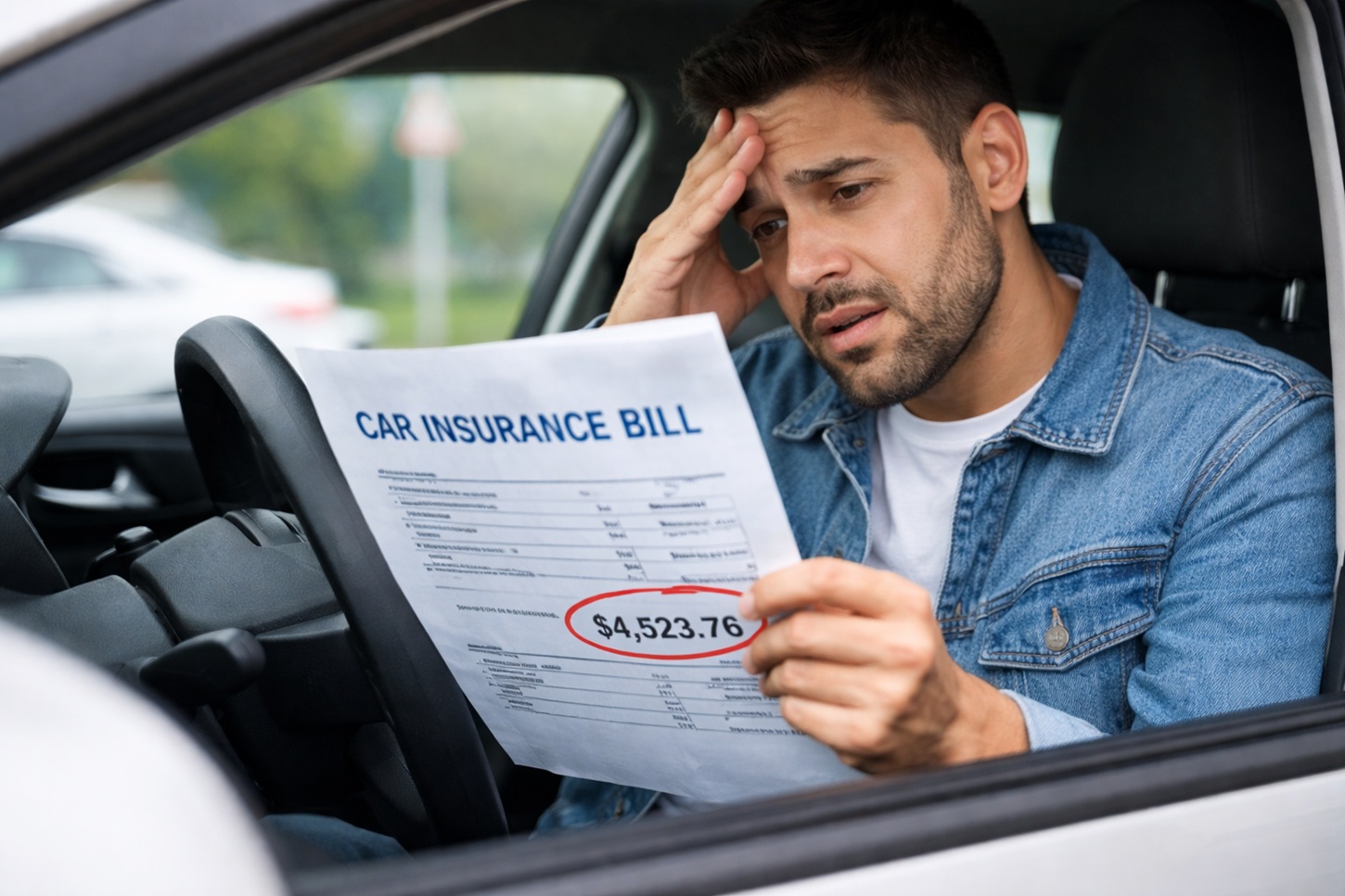
Sky-high car insurance costs driven by rampant fraud are testing the wallets—and patience—of New York’s beleaguered motorists.
When a Brooklyn driver calls to renew car insurance, the price quoted often delivers more shock than the city’s infamous potholes: more than $6,700 a year for full coverage. The eye-watering figure sits atop an already punishing state average of $4,000—some 52% above the national mean, according to September 2025 numbers from the Partnership for New York City. Ordinary New Yorkers now pay $1,500 more per year than their American peers, making Gotham’s roads not just congested, but costly to traverse.
This spiralling expense isn’t explained by risk alone. Rather, New York has become a poster child for the consequences of rampant, orchestrated fraud embedded deep in its insurance market. In the last five years, no-fault insurance fraud surged by 80%; in 2025, the Department of Financial Services (NYDFS) logged 43,811 suspected vehicle-fraud cases. Accidents are now at risk of being as manufactured as they are real—nearly 1,700 were purposeful in the space of a single year, second only to perennial leader Florida.
The machinery behind these scams is robust and lucrative. Gangs, corrupt medical practitioners and enterprising lawyers have weaponized New York’s no-fault system—originally introduced to protect the injured—by churning out spurious claims. The latest feather in this ignoble cap: the April 2026 arrest of Zhan “Johnny” Petrosyants, accused in federal court of leading a ring that fabricated millions of dollars’ worth of fake medical claims between 2018 and 2023. The group’s modus operandi involved ghost companies, false diagnoses, and an apparent disdain for both law and arithmetic.
For many of the city’s drivers—particularly those scraping by—the betrayal stings. Car ownership in New York skews toward necessity, not luxury, especially for Brooklyn’s working class and its sizeable Hispanic communities. Half or more of these families allocate ever-larger slivers of their monthly income to vehicle coverage, pinching budgets already groaning under the weight of rent and groceries. As premiums lurch upward, some simply forgo coverage, risking uninsured roads and legal headaches.
At root, the much-maligned “no-fault” system is a grand experiment gone awry. Initially crafted in the 1970s to hasten relief for accident victims irrespective of blame, it has morphed into a gravy train for fraudsters. Insurers, mandated to pay medical costs regardless of culpability, have seen claims balloon into the tens of millions. Honest customers are left to shoulder costs for cheaters they never met—an insurance pool that increasingly resembles a leaky bucket.
This pattern bodes poorly for city and state finances. Insurers, keenly aware of their mounting liabilities, respond with brute rationality: Jack up costs for everyone. Meanwhile, the state loses tax dollars, as premiums flow into the shadow market of legal and illegal claims. Each “victim” who limps into a corrupt doctor’s office for a fictitious neck injury silently siphons the city’s economic vitality.
Political leaders, not unmindful of voters’ wrath, have begun to stir. In February, Governor Kathy Hochul unveiled a knotty package of reforms meant to declaw the fraudsters and, perhaps, stem the rate shock. Remedies under debate include tightening medical-provider licensing, establishing an anti-fraud database, and retooling how claims are verified. Yet the grand plan has flatlined amidst budget gridlock in Albany—a capital city that excels at inertia.
The price of this stasis is not evenly distributed. Wealthier Manhattanites, ensconced in buildings with doormen and garages, hardly notice a blip. For the rest—gig drivers, outer-borough commuters, and tradespeople—every dollar redirected toward insurance is money not spent on other needs. The asymmetric impact echoes through local businesses and neighbourhoods: restaurants receive fewer orders, car dealerships lose customers, and urban mobility suffers.
A national affliction with New York characteristics
To be clear, New York is not alone in its struggles. States like Michigan and Florida also groan under high premiums, thanks to no-fault quirks and a hearty appetite for fraud. But the city’s density, legal ecosystem, and relentless traffic make it a particularly attractive sandbox for grifters. If recent years are precedent, billions of dollars will continue to slosh around in barely regulated corners of the market.
International comparisons make for grim reading. Japanese and British drivers, for instance, pay a puny fraction of New Yorkers’ insurance bills, thanks to stricter claim vetting and lower tolerance for legal “entrepreneurship.” America’s tort-centric legal system, coupled with patchwork regulation, renders genuine reform an uphill climb. The result: high prices, low trust, and lawmakers quick to promise, slow to deliver.
Our view, shaped by the numbers, is that insurance fraud metastasizes only when oversight is lax and incentives misalign. Technology—data sharing, AI-driven claim analysis—may give insurers and authorities sharper tools for detection. But the city must also grapple with deeper structural reforms: tort reform, tweaks to the no-fault system, and enhanced consumer education all have roles to play. Legislators will need to show more backbone—and less affinity for gridlock—than they have of late.
Yet New Yorkers, tested by decades of urban adversity, are nothing if not adaptive. Many will swallow higher rates, drive less, or demand political action. Some, sadly, will fall out of the system altogether—trading legal exposure for fiscal survival. The city, ever the laboratory of democracy, now faces a test of its regulatory ingenuity.
If history is any guide, New York’s penchant for muddling through will eventually yield change—but only after considerable hand-wringing and no small number of legislative skirmishes. Until then, drivers will keep paying—some honestly, others less so—for the privilege of navigating its tireless, treacherous streets. ■
Based on reporting from El Diario NY; additional analysis and context by Borough Brief.