Arctic Blast Hits All Boroughs With Subzero Wind Chills, Warmup Teases Next Week
As New York City braces for its coldest spell in three years, a potent arctic blast spotlights the city’s vulnerability to extreme weather—and the urban systems strained in its wake.
At 5pm this Saturday, Central Park’s thermometer may struggle to nudge above the mid-teens Fahrenheit, a plunge not seen since early 2021. Wind gusts, bellowing up to 50 miles per hour, are forecast to whip through Manhattan’s canyons and across the five boroughs, promising to render much of the city’s public space inhospitable for the weekend. The New York City Office of Emergency Management has issued advisories, warning of “dangerously cold conditions” and wind chills consistently below zero. New Yorkers, perennially unruffled by meteorological histrionics, might be forgiven for taking notice this time.
The rare arctic blast—arriving via a swift southerly ride from Canada—will grip the region from Saturday afternoon through Monday. Officials caution that the combination of biting cold and volatile winds could force a cascade of urban headaches: damage to scaffolding and construction sites, downed trees on already beleaguered infrastructure, and delays at the labyrinthine airports that constitute the region’s circulatory system. The usual suspects—the elderly, unsheltered, and those in poorly heated homes—face increased risks, and the city’s sprawling shelter network braces for a surge in demand.
The impact, though sharp and short-lived, could yet be costly. Utility companies such as Con Edison, smitten with chronic anxiety during such spells, are primed for surges in heating demand that may stress the grid just as residents and businesses need it most. Blackouts remain unlikely but not unimaginable; New Yorkers’ expectation of reliable heat will again be tested. The city’s 1.1 million public school students will be spared exposure thanks to the weekend timing, but public housing residents, among them more than 300,000 tenants in often-neglected NYCHA buildings, will cast a wary eye at boilers tested by such cold.
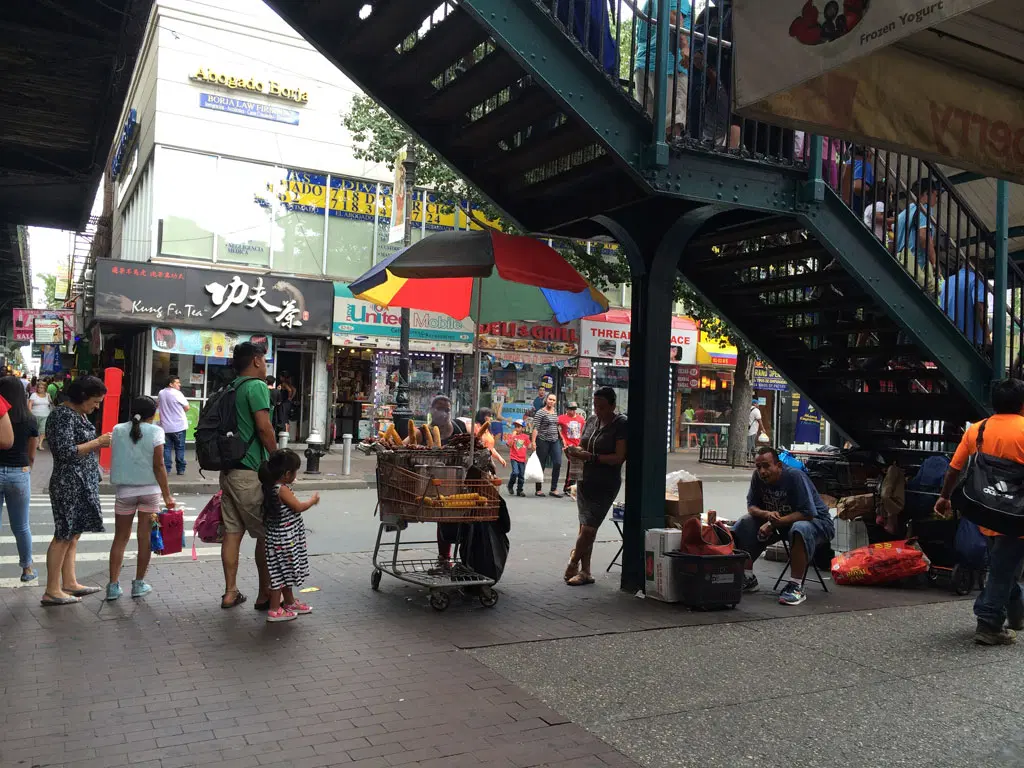
In the city that bills itself as the world’s greatest pedestrian experiment, frigid blasts also transform the streetscape. The robust commercial corridor—already battered by pandemic-era shifts—sees foot traffic thin to a trickle. Small shops and neighbourhood retailers, buoyed by February’s tepid return to normalcy, must now reckon with a lost weekend as diners and shoppers hunker indoors. Emergency responders and city crews, meanwhile, gird for a run of outages, burst pipes and calls from tenants lacking adequate heat—a drama replayed, with numbing regularity, each winter.
Unsurprisingly, the city’s airports—JFK, LaGuardia, Newark—are poised for turbulence of their own. The Port Authority, never unprepared but rarely immune to such spells, has warned travellers to expect delays and interruptions. Scaffolding and cranes, ubiquitous reminders of New York’s relentless churn, are at risk; building inspectors and work crews face fraught, frigid vigils to secure construction sites. For a city already notorious for street disruptions and midtown gridlock, the forecast offers scant prospects for improvement.
The blast’s timing, as it happens, lands just as seasonal economic anxieties bloom. New York’s battered small business ecosystem—still reeling from inflationary pressures and puny pandemic-era reserves—faces yet another hurdle. For hourly workers or those in the city’s gig economy, a lost weekend’s income can be keenly felt; Mayor Eric Adams’s administration will likely face the perennial calls for expanded heating assistance and emergency relief. Social service providers, perennially stretched, must triage between competing crises: sheltering the vulnerable and tending to mental health needs exacerbated by isolation and cold.
Climate scientists, who have spent recent years decrying the steady march of rising average temperatures, note that cold snaps such as this do not contradict the warming trend. Some models portend that as Arctic ice thins, extreme “outbreaks” of polar air will become less rare in American cities. New York’s urban form—dense and vertical, yet with aging infrastructure and millions living close together—remains uniquely exposed to such meteorological swings. The city may warm on average, but it must still reckon with frigid winters and the bureaucracy and systems those require.
Urban stress tests, global signals
In this there is little unique to New York. Other major cities—Chicago, Boston, Toronto—contend with similar, sometimes more ferocious winter tests. Yet New York’s municipal complexity, density, and ageing housing stock render it a particularly instructive case. Across the Atlantic, London and Paris have seen comparable, though often less dramatic, winter weather cause transport paralysis and accidents. One need only look back to Texas’s 2021 power crisis, when an unexpected freeze exposed the perils of fragile infrastructure and poor planning, to appreciate the high stakes for cities.
Around the world, extreme weather is challenging assumptions about urban resilience. From heatwaves in India to ice storms in Texas, meteorological outliers are suddenly less outlandish. Infrastructure that sufficed in the 20th century increasingly appears puny before 21st-century volatility. For New York—and the cities who watch it as a bellwether—the challenge is to adapt both physically (with hardened power and heating systems) and institutionally (with faster, nimbler emergency response).
For all of the city’s vaunted grit, complacency is a puny defence against climate’s caprice. We reckon that moments like these—when wind howls through subway grates and scaffolds shudder—are useful reminders of the fragility that underlies even the most robust urban order. The optimism that built New York remains as buoyant as ever, but unless matched by a data-driven commitment to modernise infrastructure and plan for extremes, is likely to prove insufficient.
Some cold snaps are inevitable. How a city endures them—minimising discomfort, protecting the vulnerable, and keeping trains and lights running—remains a lasting test of competence and vision. In practical terms, the coming freeze will pass in a matter of days, with temperatures set to rebound and sidewalks to fill once again. In policy terms, though, the questions it raises will linger long after wind chill readings return to civilised levels. New York, like its peers, cannot afford to treat such spells as anomalous.
All told, this weekend’s arctic intrusion portends not just frozen pipes and shuttered storefronts, but bigger questions about how the city girds itself for future shocks. We surmise that if New York can keep itself running through this weekend’s icy trial, it must also seize the chance to plan ahead—lest next time, the cold turns truly hazardous. ■
Based on reporting from NYC Headlines | Spectrum News NY1; additional analysis and context by Borough Brief.