7-Eleven and Macy’s Shutter More Stores as New Yorkers Shop Online and Rents Climb
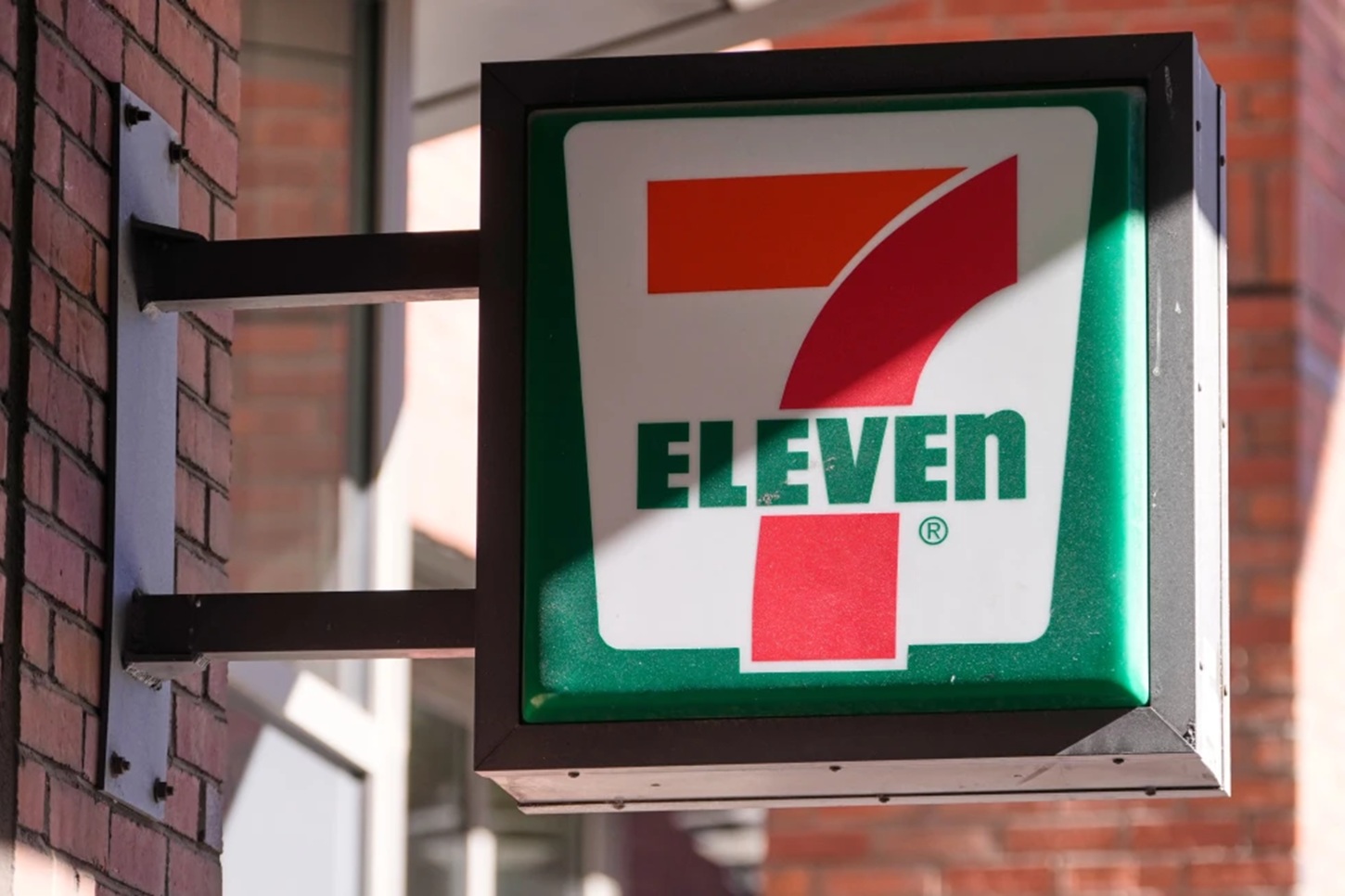
As New York’s retail icons shutter dozens of stores, the city contends with an uneasy future for its high streets—and for those who rely on them.
Pedestrians drifting past the once-lustrous display windows of Herald Square may struggle to discern a trend that has crept up steadily over the past decade: the vanishing act of New York City’s brick-and-mortar stores. In recent weeks, waves of closures by retail giants 7-Eleven and Macy’s have sounded yet another knell, as longstanding institutions retreat in the face of stubborn headwinds. Where bustling convenience outlets and department stores stood, plywood and “For Lease” signs portend a new, quieter order.
The news, though striking, is hardly anomalous. On April 10, Seven & i Holdings, the parent company of 7-Eleven, announced the shuttering of 645 stores across North America, while Macy’s, itself a historic fixture on the American retail scene, intends to close 14 further locations before the year’s end—just a step toward a broader goal of culling 150 outlets by 2028. In the city that likes to boast it never sleeps, the lights are dimming in more than a few display cases.
The implications for New York are immediate and concrete. Every storefront that slips away means fewer choices for harried commuters and elderly neighbours alike. In many outer-borough neighbourhoods, the loss of the local convenience shop transforms a routine errand into a modest trek. Retail deserts, once restricted to rural America, edge further into the city’s own neglected zip codes.
The economic ripples reach well beyond inconvenience at the cash register. Each closure translates into job losses—clerks, cleaners, security staff—all abruptly confronted by a tight and shifting labour market. Anecdotally, one 7-Eleven franchise may employ a dozen workers per location; Macy’s, with its larger footprint, often supports scores. For some communities, these workers’ wages flow straight into the veins of the local economy, supporting everything from bodegas to barbershops.
A second, subtler effect is downward pressure on municipal coffers. Commercial vacancies sap property values and, in time, tax revenues. Small businesses that rely on anchor tenants for foot traffic (think dry cleaners and slice shops) must adapt—or fold—when larger neighbours pack up. A silenced high street presages not just lost jobs, but a slow erosion of civic life.
Why this sudden acceleration? Retail executives point to three culprits, each acting in concert: brisk growth in online commerce, escalating property and security costs, and a shifting patchwork of consumer habits forged during the pandemic. Americans have not retreated from consumption; they increasingly prefer to click than queue, to track a parcel’s progress on a phone rather than wander a fluorescent-lit aisle. The result for retailers has been stark: lower foot traffic, but persistent fixed costs.
For the city’s economy, the transformation is double-edged. While reduced demand for ground-floor commercial space might lower rents for some entrepreneurs, it could also chill new investment in retail corridors. Mayor Eric Adams’s administration, famously bullish on post-pandemic recovery, finds itself wrestling with a reconfigured retail landscape—one in which glitzy flagship stores coexist, uncomfortably, with yawning swathes of vacancy.
A changing retail geography, at home and abroad
These trends are not uniquely New York’s, nor even America’s. Across affluent global cities—from London’s Oxford Street to Tokyo’s Ginza—the same forces are shrinking the number of physical shops. In many respects, the metropolis is simply absorbing a belated rationalisation that began on Main Street U.S.A. years earlier. Chains such as Sears and J.C. Penney, no longer nimble enough to pivot online, have already faded into irrelevance; others, like Macy’s, now cling to a hybrid strategy, hoping to salvage profitability through strategic consolidation.
What does this portend for consumers? In theory, greater online shopping should mean sharper competition and lower prices. In practice, the concentration of retail power in the hands of e-commerce titans—Amazon foremost among them—risks hollowing out competition over time. Shoppers gain for now, but the spectre of diminished choice and shrunken service lingers. For New Yorkers less comfortable with technology, or with limited internet access, bargain-hunting may become a more demoralising pursuit.
For policymakers, the temptation to reach for easy answers—rent control, tax incentives for small business, subsidies for “essential retail”—should be resisted. Intervening to preserve every ailing corner store would be both futile and costly. Instead, the city would be wise to focus on nurturing sectors where New York still holds an edge: hospitality, culture, niche retail, and the creative industries. The future of commerce in Gotham will not reprise its 20th-century past; it will, inevitably, be smaller, more specialised, less grandiose.
Yet a city that has managed to recover from far graver crises than the closure of a few dozen chain stores can adapt. Some of Manhattan’s grandest new developments—from the rebuilt World Trade Center to the High Line—have emerged where faded commerce once stood. As for the employees displaced, their skills and hustle may, with time and help, find more resilient forms of work. Meanwhile, policymakers should direct attention to ensuring that transit, digital infrastructure, and affordable housing keep pace with shifting economic realities.
New York’s byzantine retail tapestry is unravelling in places, exposing both weaknesses and threads of opportunity. The city’s high streets may never reclaim the density and dazzle of yesteryear, but nor are they fated to permanent decline. Commerce, in all its chaotic glory, is nothing if not adaptive—and so, by necessity, is New York. ■
Based on reporting from El Diario NY; additional analysis and context by Borough Brief.